


One of my fundamental beliefs about the world is that Ramez Naam ought to blog more. Ramez is one of the world’s greatest futurists — he predicted the solar and battery revolutions long before these were widely understood. If you were reading Ramez in 2011, you were able to understand the future of both energy technology and climate change, long before other people did. His earlier book More than Human is still a great guide to the kind of biological enhancements that AI might make possible. Ramez is also an excellent science fiction author, having written a trilogy of novels in which nanotechnological telepathy is distributed as a party drug (I’m not sure if he actually expects that to happen, but it’s a very cool idea).
Unfortunately, although he does have a Substack (which you should absolutely follow), Ramez does not blog regularly. However, after having a lengthy private debate with him about Recursive Self-Improvement, I was able to prevail upon him to write up his thoughts for my blog.
To say that RSI is a big deal in the AI world would be a colossal understatement. Among AI researchers, entrepreneurs, and AI safety people, there’s a widespread belief that as AI gets better at improving itself, there will be a “fast takeoff” or “FOOM”, in which AI’s capabilities “take off” and create a technological Singularity. This event is a staple of science fiction, including works by my favorite sci-fi author, Vernor Vinge.
A lot of people in the industry believe that this moment is now close at hand, and are racing toward that prize:

But Ramez — normally among the most wide-eyed of techno-optimists — is highly skeptical that we’ll see anything like the “FOOM” of Vernor Vinge novels. In this lengthy, well-researched post, he explains his skepticism.
Personally, I’m agnostic. Ramez’s case necessarily rests on a lot of assumptions; although it’s cogently laid out, I think the real answer is that we’ll just have to wait and see whether the Singularity arrives. But even more fundamentally, I don’t know how much this debate matters in the practical sense — even without the kind of Singularity depicted in sci-fi novels, AI capabilities are improving so rapidly that they’re already superhuman in many respects, and soon will probably be strongly superhuman in most or all dimensions. The AI of 2040 is going to look godlike, whether or not it explodes into an actual god in 2027.
Still, it’s a very interesting argument, and Ramez’s thoughts on the future of technology are always worth listening to.
1. AI is Helping Improve Itself
AI is already helping improve itself. The question is whether even fully autonomous recursive self-improvement (RSI) would cause a runaway intelligence explosion.
The theory is that each generation of AI could build a better successor, faster than the last generation did. That could lead to a “fast takeoff,” with capabilities surging to artificial superintelligence (ASI) in a year, months, or even days.
Here’s my take: Given our best current data, the AI self-improvement loop would need to be roughly 5–10× stronger to sustain itself, let alone run away. I’ll explain this math in section 8. I expect incredibly rapid AI progress by the standards of nearly any other technology. But the evidence we have doesn’t suggest a sudden explosion to incomprehensible superintelligence anytime soon.
I could be wrong. Forecasters have repeatedly underestimated AI progress! I could well be next. One thing that’s clear is that we need better data. For now, let’s work with what we can measure, and stay open to breakthroughs that could change the picture.
How Strong Is the Feedback Loop?
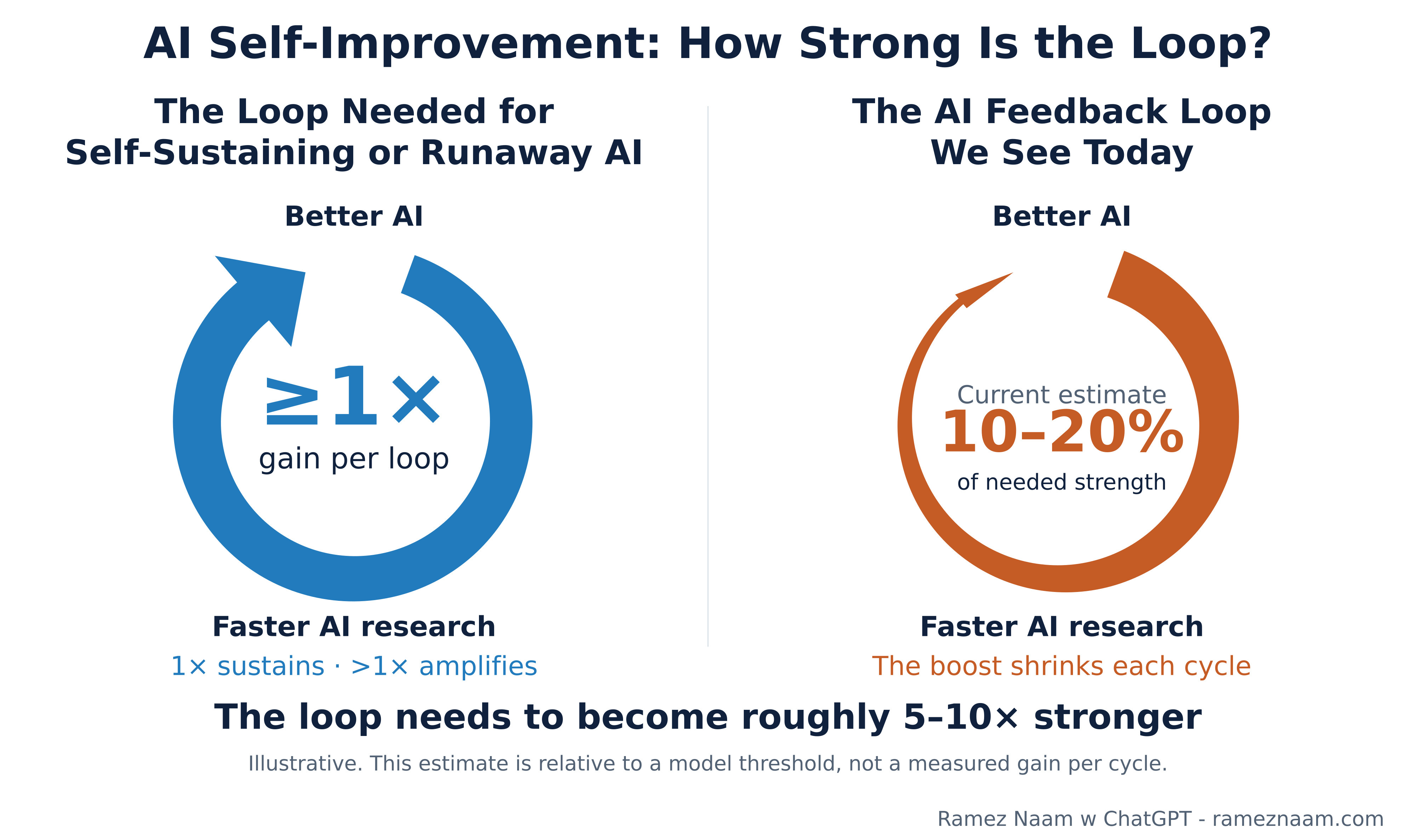
Figure 1. How strong is the self-improvement loop? Model.
Contents
Here’s the case, with links to each part:
Key charts: The feedback loop · Measured vs. forecast progress · Diminishing returns
2. What Does RSI Mean?
People use “recursive self-improvement” to mean everything from AI boosting the productivity of human researchers to AI bootstrapping itself to incomprehensible intelligence. Here’s my taxonomy: productivity gains (Type 1), increasing autonomy while still facing diminishing returns (Types 2–4), and a runaway loop to superintelligence if we can ever find accelerating returns (Type 5).
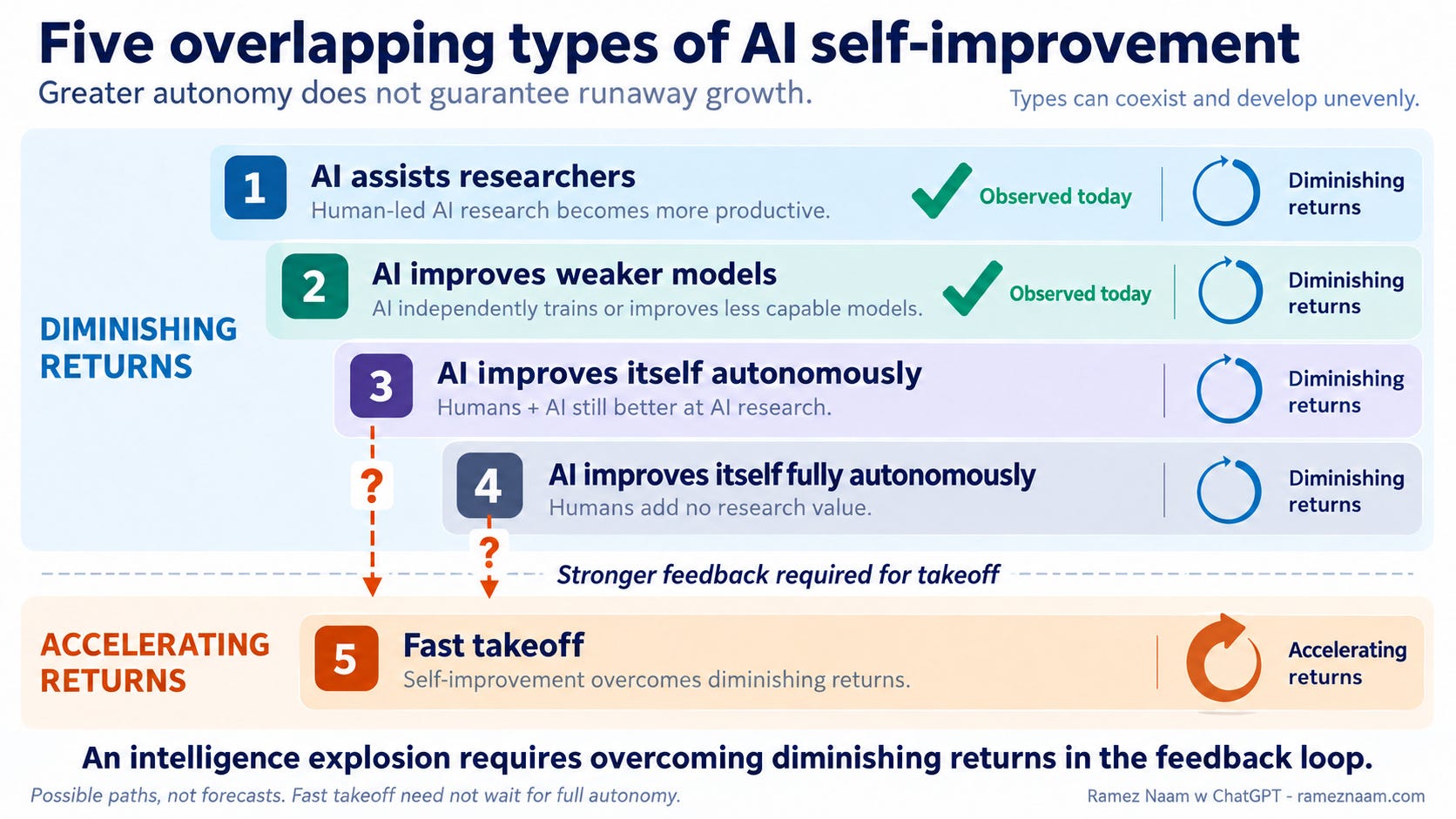
Figure 2. Five types of AI self-improvement.
We’ve made real progress on Types 1 and 2: AI helps both researchers and engineers inside of AI companies, and powerful models can train and improve smaller ones. We haven’t yet seen clear evidence for Type 3 (though Alibaba just made some strong claims) and certainly not for Type 4. I do expect autonomous self-improvement to arrive at some point. I’m skeptical that it leads to Type 5 - runaway super-intelligence - without a major conceptual breakthrough.
There are plenty of other definitions of RSI, which can be a bit confusing. Weco’s four levels of RSI are close to mine. For a broader tour of all the things people mean when they say ‘RSI’, read Tom Cunningham’s comprehensive guide.
We Already Have Narrow Superintelligence
I do expect narrow superintelligence in highly verifiable domains. Think chess, Go, formal math, parts of computer science and coding. Highly verifiable domains are largely formal and structured types of work where machines can generate unlimited training data, with perfect or near-perfect verification of correct vs incorrect, and do so entirely in software without waiting on the physical world or humans. That’s an ideal setting for AI learning.
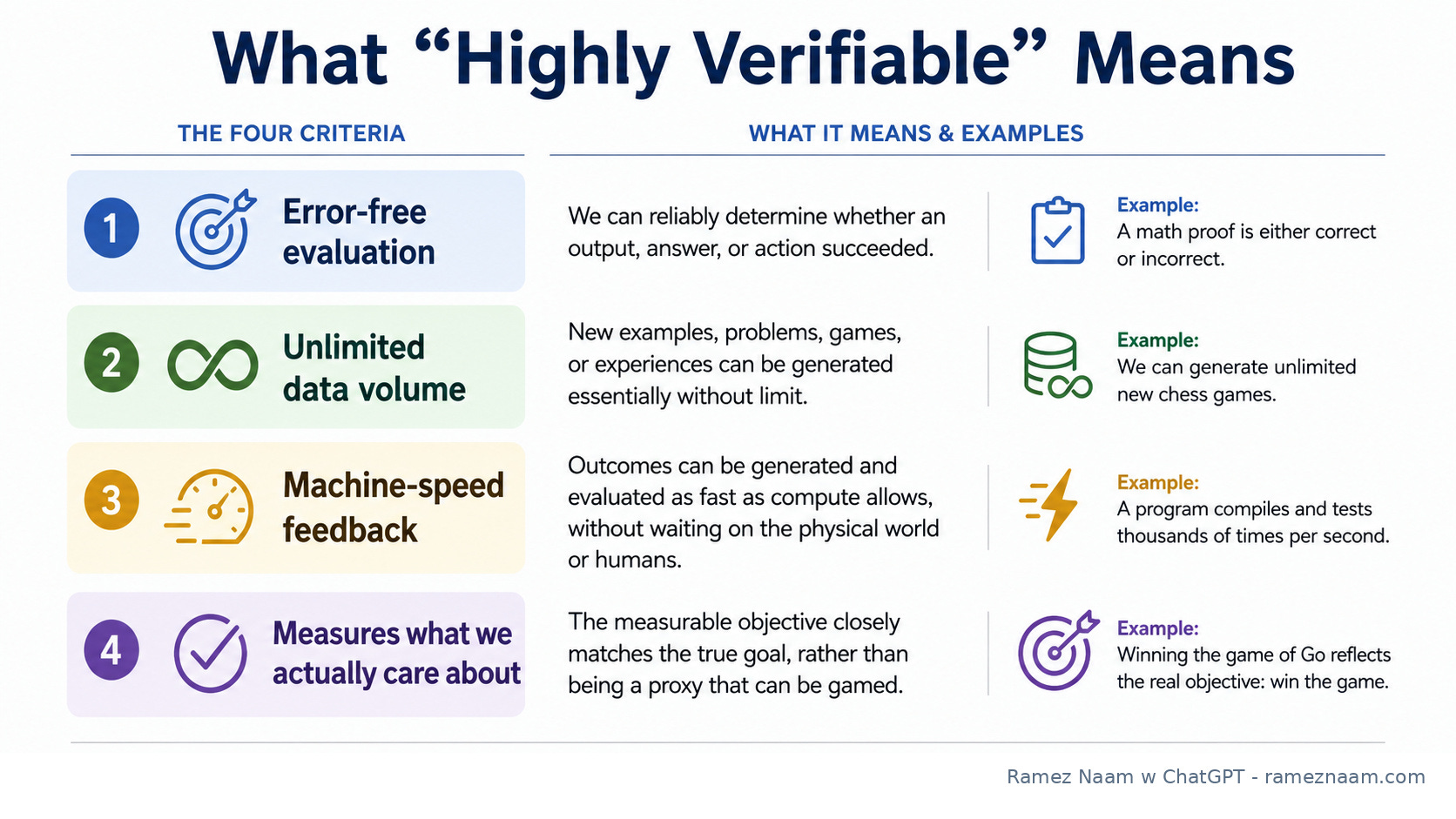
Figure 3. What makes a domain highly verifiable?
In fact, we already have narrow superintelligence in game plang. We’re seeing it happen now in the most formal parts of math, in particular in proofs and in finding counter-examples that disprove major conjectures. For example, OpenAI recently reported an AI-generated proof resolving the Navier–Stokes existence and smoothness problem. Parts of software development are also extremely verifiable, while others are a bit less crisp (such as understanding what humans want).
That isn’t the same as broad superintelligence. Even our most powerful models need far more training data than humans, struggle to learn reliably from ongoing experience, and fail in surprising ways on tasks people find straightforward. Superhuman math doesn’t automatically mean superhuman judgment everywhere else.
3. Real AI Research is Harder than Benchmarks or Forecasts
Benchmarks and forecasts suggest that AI models should reliably succeed at coding tasks that take humans hours, without human help. The real world is messier. OpenAI’s internal data shows much shorter stretches of autonomous work on research tasks.
In its Research Acceleration / RSI report, OpenAI showed how often its models completed tasks with and without human help, grouped by how long a human would need to do the work.
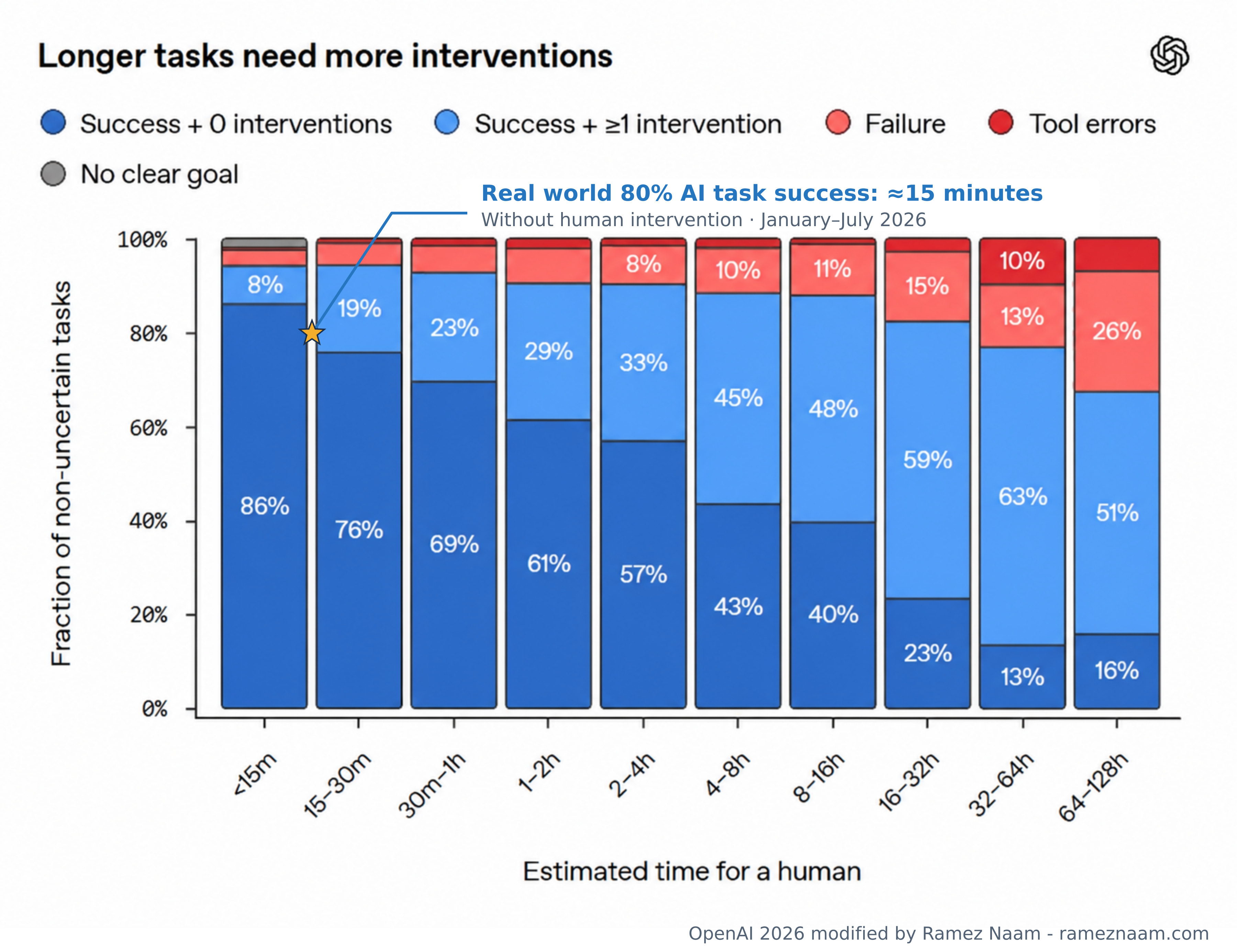
Figure 4. OpenAI’s internal research tasks. Source.
Even on tasks that would take a human less than 15 minutes, OpenAI’s models succeeded without human intervention only 86% of the time. The estimated task length at 80% success was roughly 15 minutes over the first seven months of the year. July’s results were similar to the whole period average.
Fully autonomous RSI would require an AI to string together a great many research tasks reliably, stretching out over complex tasks that humans need weeks or months to accomplish. OpenAI’s data suggests that we aren’t close.
Anthropic also released a graph showing how Claude accelerates AI research. It shows that internal AI models collaborate on or even lead more than 90% of R&D tasks. That’s objectively impressive. At the same time, the graph reports zero cases of AI autonomously completing AI R&D tasks.
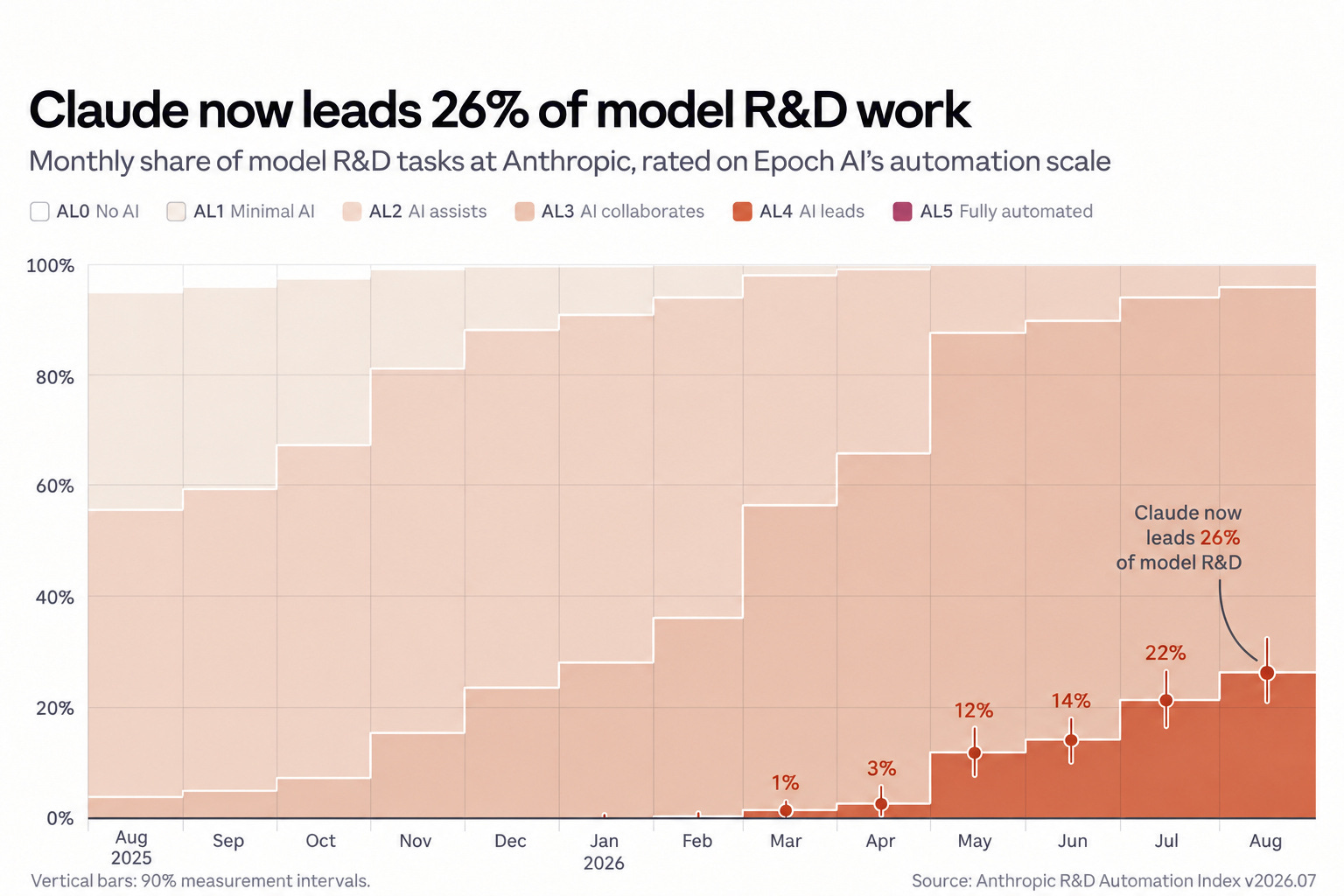
Figure 5. Claude’s role in internal AI R&D. Source.
These are incredible tools. But they still need skilled people to set direction and get them back on track.
The Gap Between Benchmarks and Reality
For years, METR has been publishing a chart showing what length of coding task (measured in human hours to complete) best-in-class AI models can achieve. It’s been called the most important graph in AI. METR’s Mythos Preview evaluation estimated that the model could succeed at 80% of coding tasks that took humans three hours.
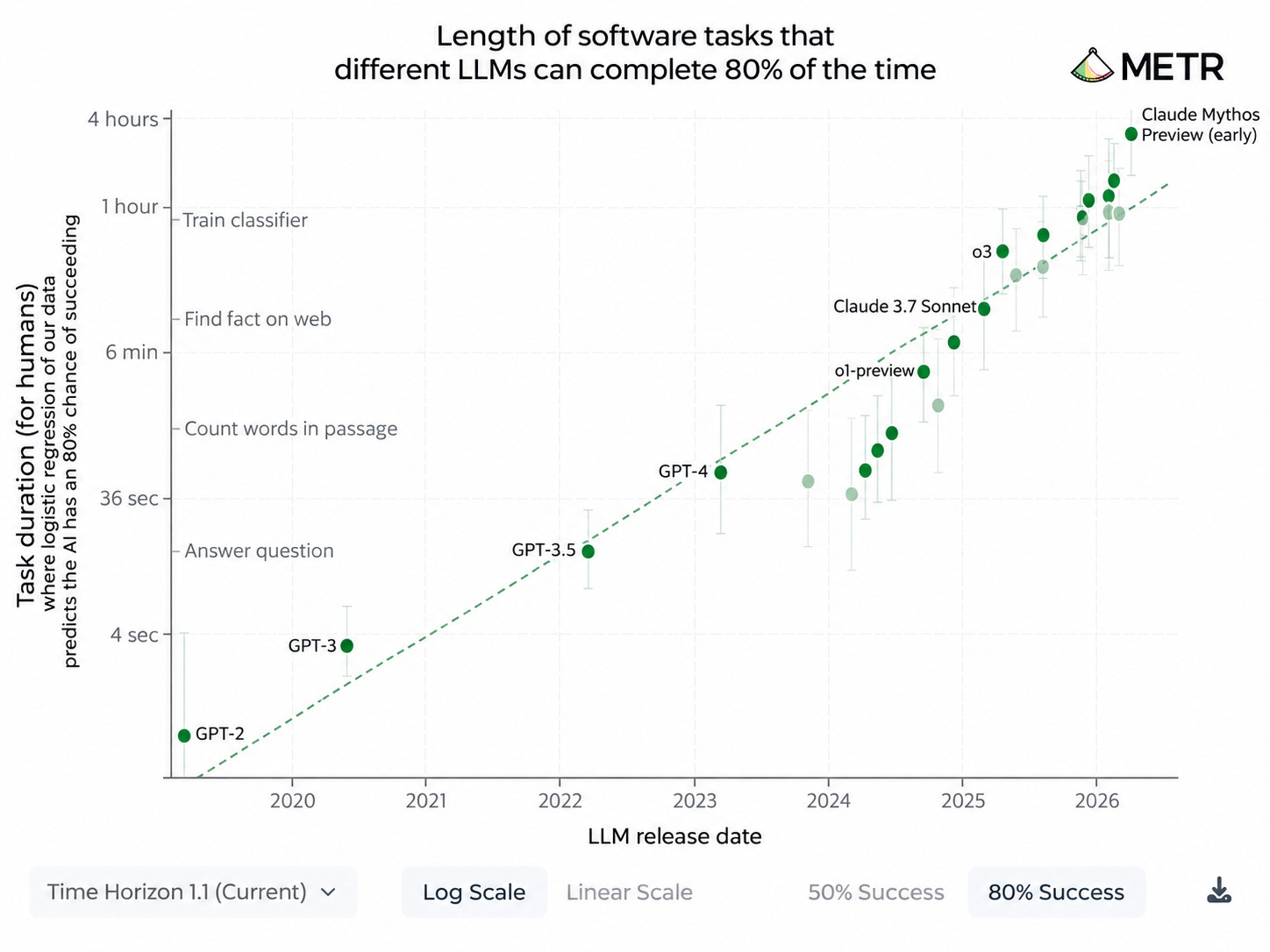
Figure 6. METR’s 80% task horizons. Source.
From ECI Scores to METR Task Horizons
Epoch’s own rule of thumb is that every five additional points of ECI (their overall benchmark of AI capability) correspond to roughly a doubling of METR’s task horizon. Using that formula, we’d expect GPT 5.6 Sol and GPT 6 Astra to be 80% successful at completing tasks of around 4 hours and 11 hours of human length, respectively.
Another estimate (a forecast) of AI task length comes from the AI 2027 scenario, which estimated that by July 2026, frontier AIs would be 80% successful accomplishing tasks of around 11 hours. Fairly similar.
The AI 2027 Tracker charts all of these.
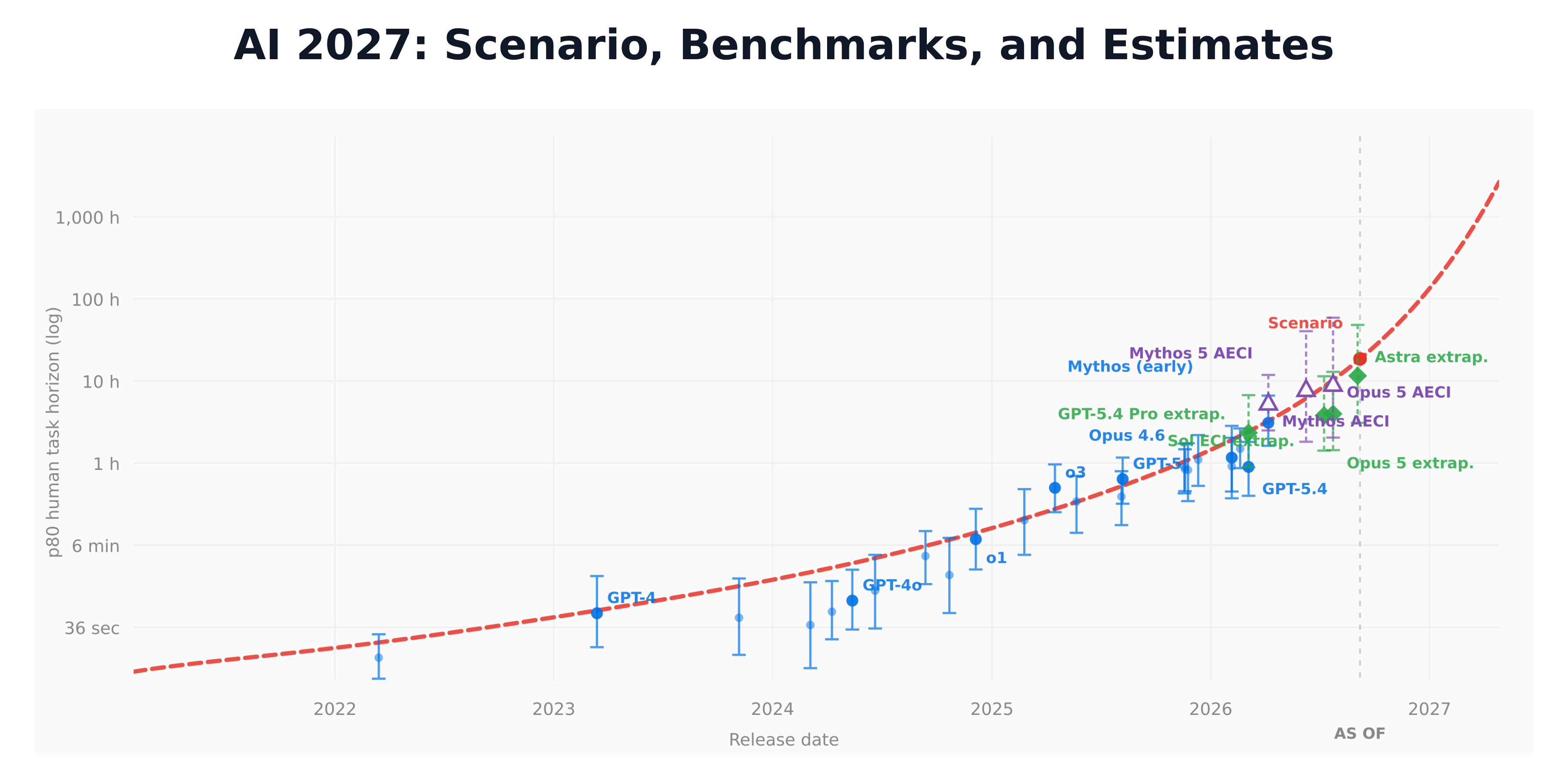
Figure 7. The AI 2027 Tracker. Source.
Inside OpenAI, though, the July research-task horizon at 80% success was roughly 15 minutes.
Here’s the gap:
Measured Progress vs. AI 2027 and ECI-extrapolated METR
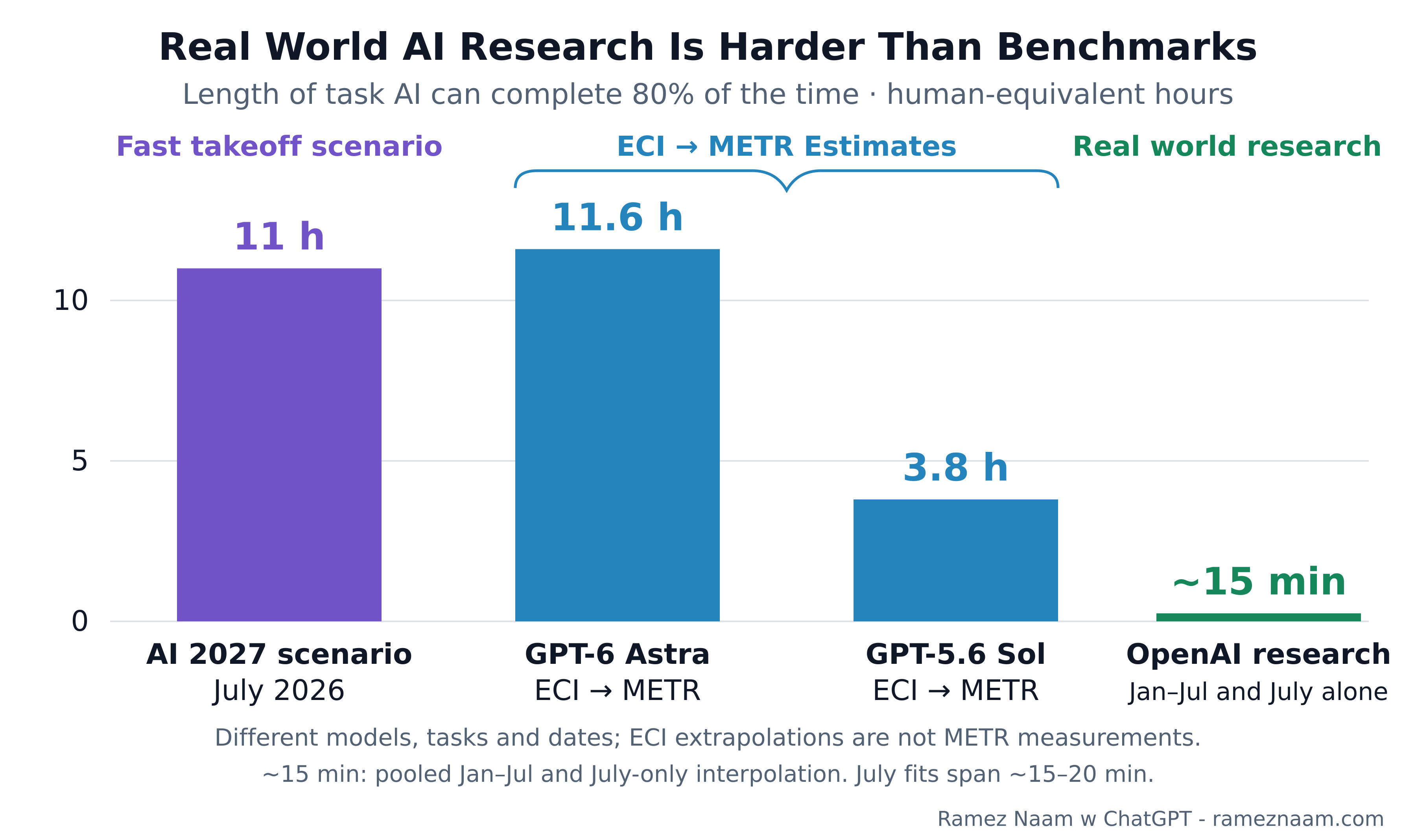
Figure 8. Forecasts, benchmarks, and real AI research. Tracker · OpenAI.
A four-hour benchmark horizon is about 16 times longer than OpenAI’s research horizon. AI 2027’s 11-hour forecast is about 44 times longer. Of course, the tasks being performed by researchers at OpenAI aren’t the same as those in the METR benchmark. So we should expect some discrepancy. This, however, goes well beyond that.
Actual AI research at OpenAI is an order of magnitude or more harder than metrics, benchmarks, or forecasts suggest. That should make us wary of relying too much on benchmarks, or of saying that future scenarios like AI 2027 are ‘on track.’ The authors of the related AI 2040 project still describe AI 2027 as roughly the future they expect, and say reality is tracking closer to it than even they expected. That’s not what we see from within OpenAI. This isn’t an apples-to-apples comparison, but the difference is remarkable. AI 2027 appears to be substantially over-optimistic in this regard.
In January of this year, Nathan Witkin made a case that the METR graph was exaggerating progress. The real world data suggests that at least some of his critiques were correct. The gap between benchmarks, forecasts, and data gleaned from actual use of AI should influence our expectations about the future.
4. The Sharp Diminishing Returns to Impressive AI Numbers
OpenAI’s report also shows impressive increases in AI token usage, in compute spend per researcher, and in lines of code written. But these aren’t results. They’re intermediate measures. How much progress do they actually drive?
Researchers used 124x more tokens per person. Engineers shipped roughly 7x as many lines of code per person. Researchers ran 1.6x as many experiments per researcher vs OpenAI’s 2025 whole year average.
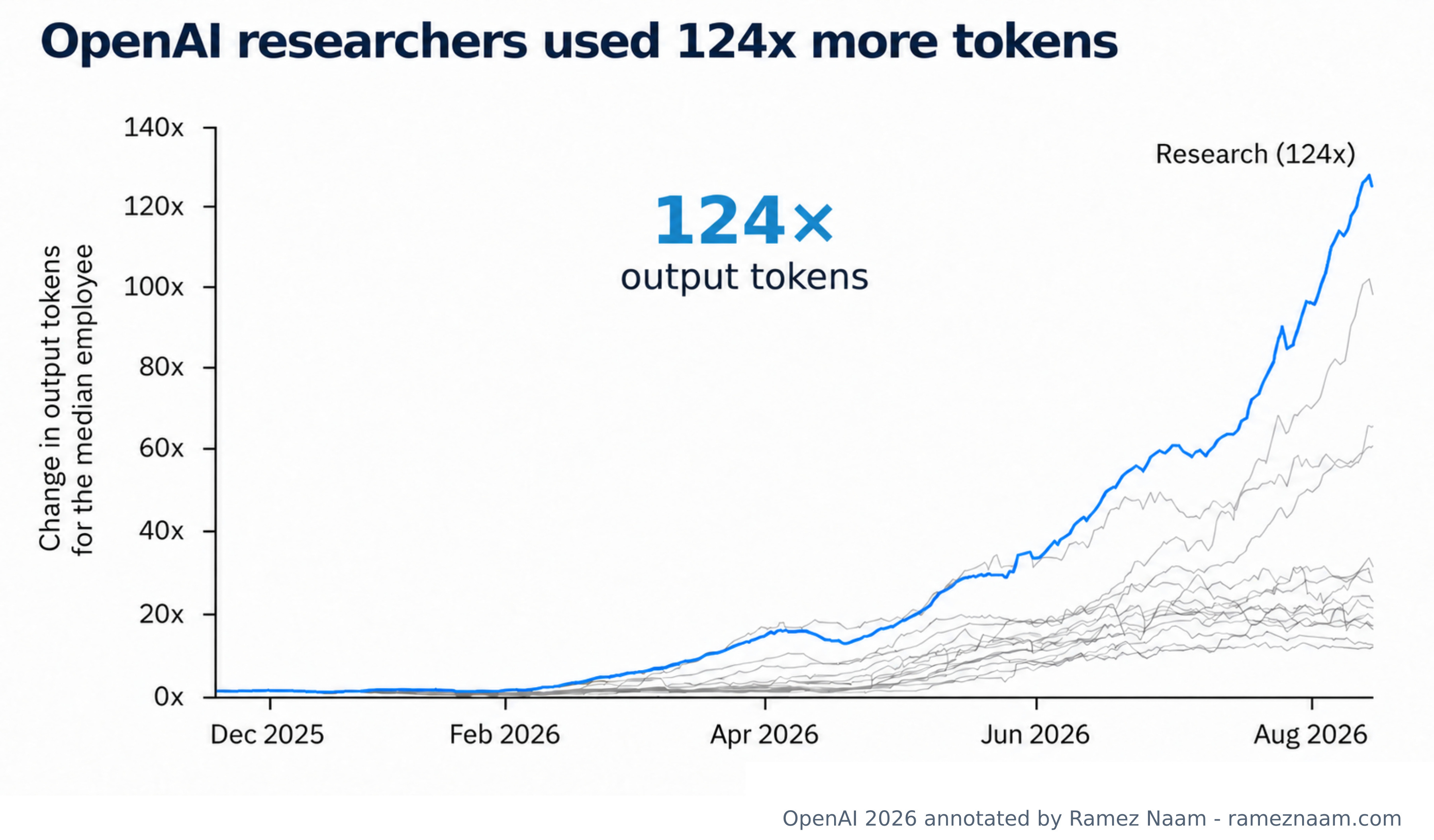
Figure 9. Token use inside OpenAI. Source.
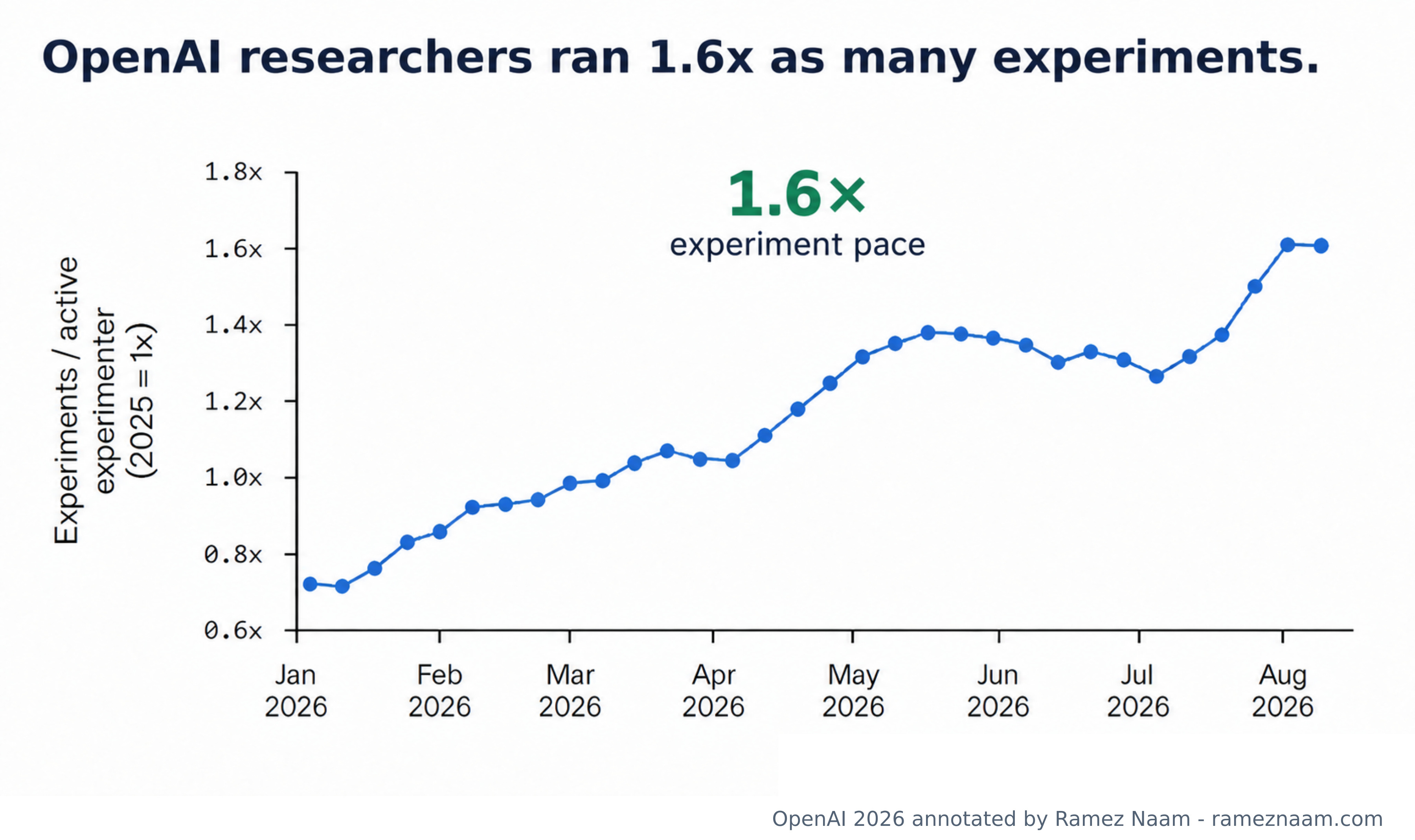
Figure 10. Experiment pace inside OpenAI. Source.
From More Tokens to More Experiments

Figure 11. From tokens to code to experiments. Source.
More tokens and code don’t tell us much on their own. The 1.6× experiment pace is closer to useful research output. Even that doesn’t mean AI is improving 1.6× faster.
An enormous increase in AI output has accompanied a much smaller increase in experiments run.
This isn’t a controlled experiment. We don’t know what would happen if researchers switched back to an older model. But it gives us a useful view of AI-assisted research inside a frontier lab.
It’s not just OpenAI. Anthropic reports that their engineers are now producing 8x as many lines of code per person as they did in 2024 - somewhat similar to OpenAI. Anthropic also sees significant diminishing returns between productivity and AI progress. Here’s a direct quote from its Mythos Preview system card:
“Productivity uplift does not translate one-for-one to capabilities progress. We surveyed technical staff on the productivity uplift they experience from Claude Mythos Preview relative to zero AI assistance. The distribution is wide and the geometric mean is on the order of 4×. […] We estimate that reaching 2× on overall progress via this channel would require uplift roughly an order of magnitude larger than what we observe.”- Anthropic, Claude Mythos Preview System Card; emphasis mine
Translation: To double the pace of AI progress, Anthropic estimates that AI would need to increase the productivity of their employees by roughly a factor of 40 relative to no AI assistance.
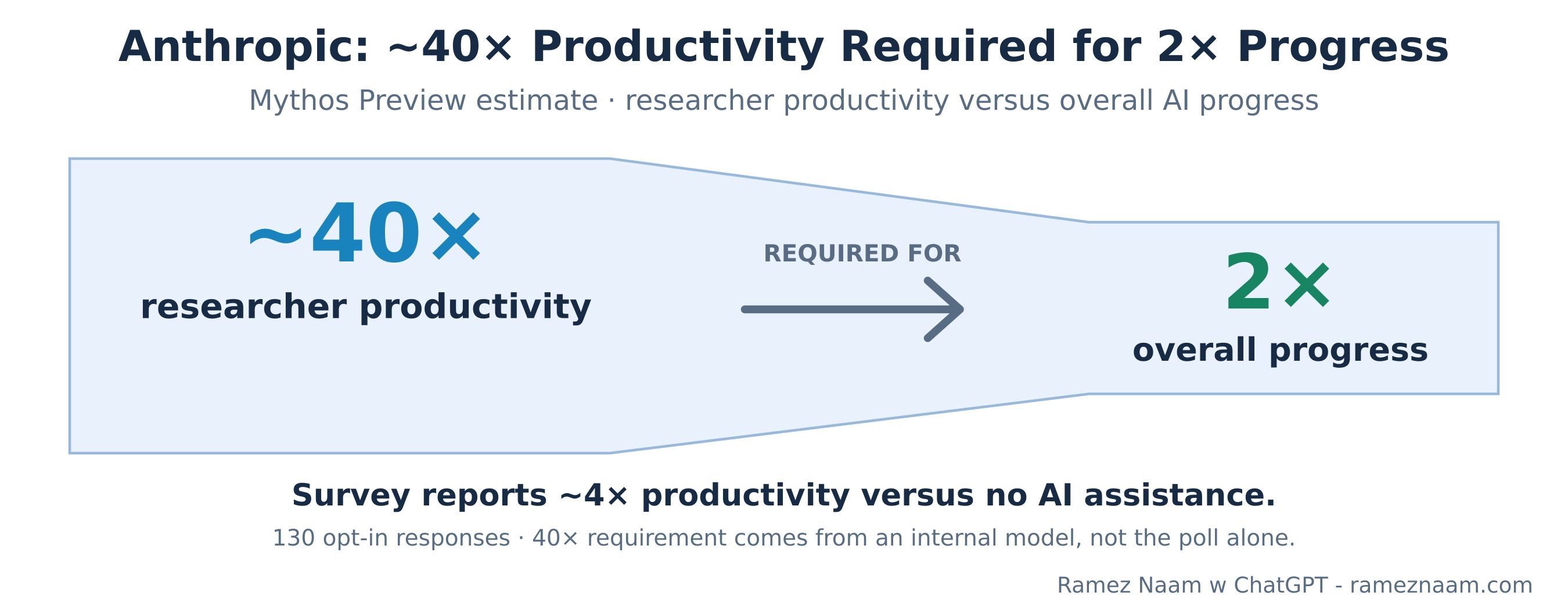
Figure 12. Anthropic’s productivity-to-progress estimate. Source.
This is an estimate, not a measurement of progress. Even the 4× productivity figure comes from an opt-in survey of 130 Anthropic staff. I put more weight on OpenAI’s logged experiments, though the two sources measure different things.
We don’t yet know how much those extra experiments are accelerating AI improvement, if at all. In general, there are also steeply diminishing returns of more experiments in most branches of science. That means that a 60% increase in experiment pace could be on the order of a 10% boost to AI improvement pace. (A power law exponent of 0.2, for those who want to do the math.) That’s speculation for now. We’ll learn more as the labs publish results.
Test Time Compute Also Has Diminishing Returns
What about giving the same AI model more time to think?
That scales badly also. In OpenAI’s recently publicized results on unsolved math problems, success rises roughly with the log of compute over the range shown. It shows logarithmic diminishing returns. In plain English, each additional doubling of compute for a model buys roughly the same gain in success rate, while costing twice as much.
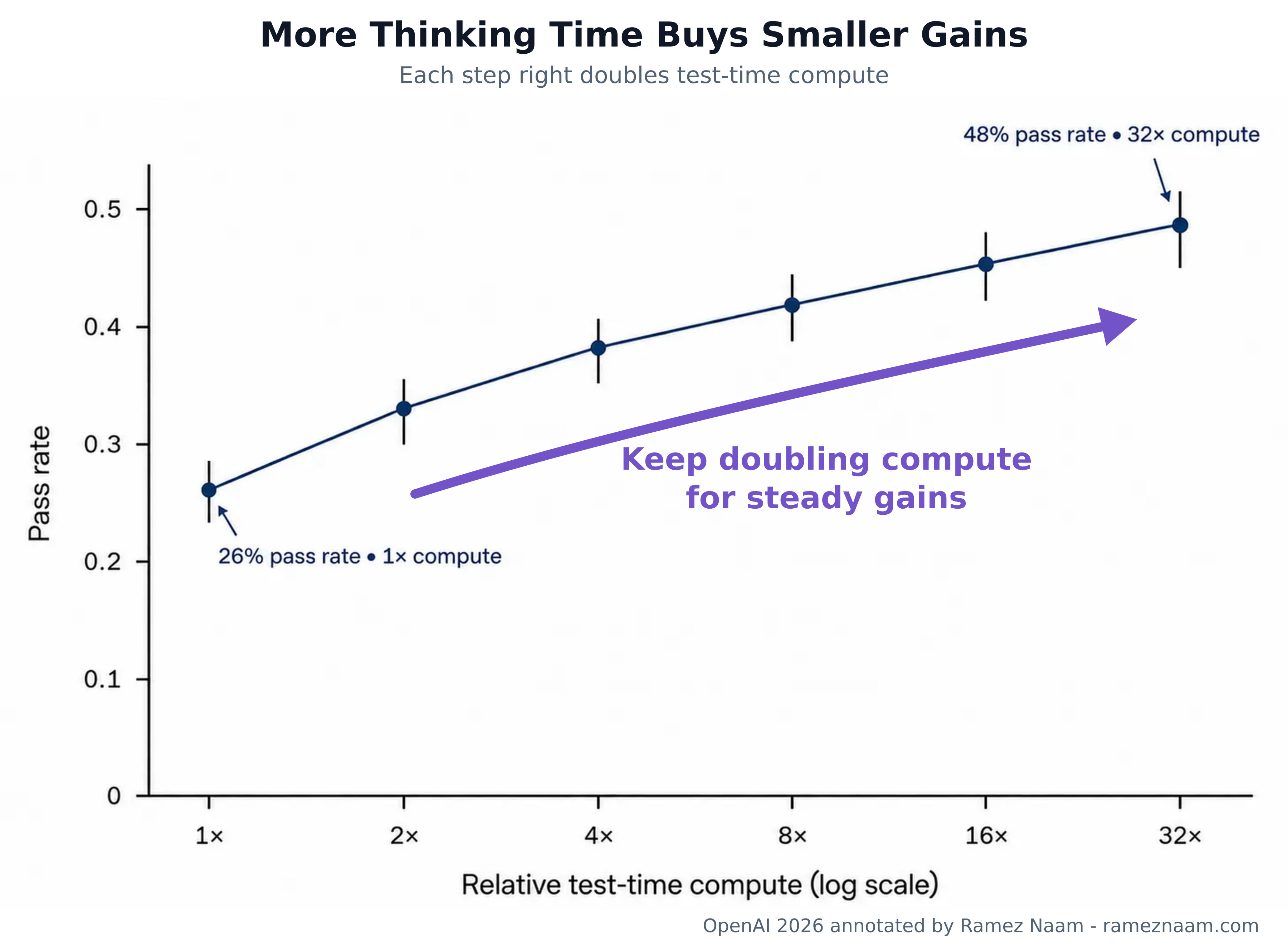
Figure 13. Test-time compute and math performance. Source.
What About Agent Swarms?
What if we throw more agents at it instead? A common RSI / ASI idea is that once we have AIs at a certain capability level, we can just spawn more copies and put them to work.
Adding agents can get tasks done faster and sometimes reach a higher capability level. But on the three benchmarks in Toby Ord’s analysis, expanding a swarm buys less improvement per token than letting one agent think longer.
His rough rule of thumb is a square root. If one agent can accomplish a task in 10 hours, then 100 agents could accomplish it in one hour. The speedup is 10, the square root of the number of agents (100). But to get this speedup, you increase the total cost in tokens or run time compute by the same factor. So going from one to 100 agents can get a task done in one tenth the time. But it’ll be ten times as expensive.
Parallel agents can save time, at a much higher compute cost.
Another challenge is that agents often think alike. In a study comparing LLMs with 467 people, the first ten AI responses offered collective creativity comparable to about eight to ten people. After that, roughly two extra AI responses added as much as one extra human response. A separate study across model families also found less diversity in AI responses. That doesn’t mean every agent has the same idea. But a hundred copies may offer less variety than a hundred different researchers.
None of this makes swarms useless-or safe. Lisan al-Gaib makes a strong case for parallel agent swarms as a potent cyber-weapon in “Accidental Scaling.” I don’t share all of his assessment of what swarms have accomplished. In math, for example, I think he gives far too much credit to the swarm and not enough to the better internal model that OpenAI used.
OpenAI says the model behind its Navier–Stokes result was developed through “large-scale reinforcement learning on top of a previously pretrained model.” Formal math is a highly verifiable domain, which makes it a particularly good fit for that approach: Machines can generate nearly limitless amounts of training data, and verify that solutions are correct or incorrect, all in software. My guess is that this model’s full results will show an especially large improvement in math.
OpenAI’s Noam Brown made the central point explicitly: he wouldn’t give multi-agent methods even 10% of the credit for the Navier–Stokes result.
I do think Lisan makes good points about cybersecurity. If you’re searching for a security vulnerability at a target site and can divide the search among agents, speed may justify a huge token bill. Swarms can be dangerous even when they’re inefficient.
I’m less convinced that this scales to research breakthroughs. Inventing something like the transformer probably takes more than searching a space someone has already defined.
5. Better Models Matter More Than More Copies
Building a better model can bring gains that extra thinking time or more copies of the old model can’t. Look at the gap between Astra and OpenAI’s internal model on the same math problems.
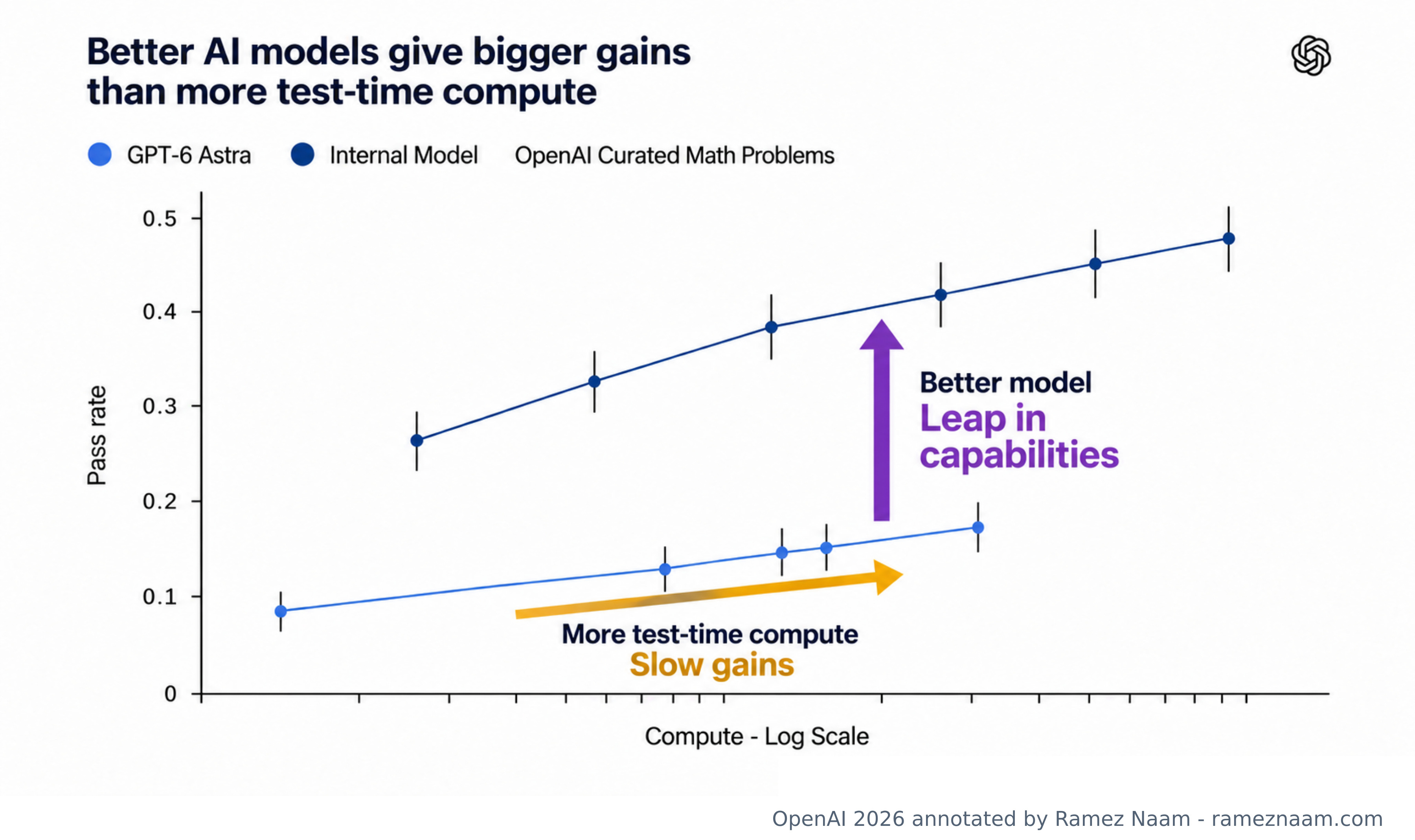
Figure 14. Better models versus more thinking time. Source.
That’s the strongest version of the RSI argument: a more capable AI could do research that today’s model can’t do, however many copies we run.
But building that better model also runs into diminishing returns. More training data, more training compute, larger models, and more reinforcement-learning (RL) compute all show diminishing returns in published scaling studies. Making dense models larger usually raises the compute needed for each output token, too. None of these routes gives us a free pass around the problem.
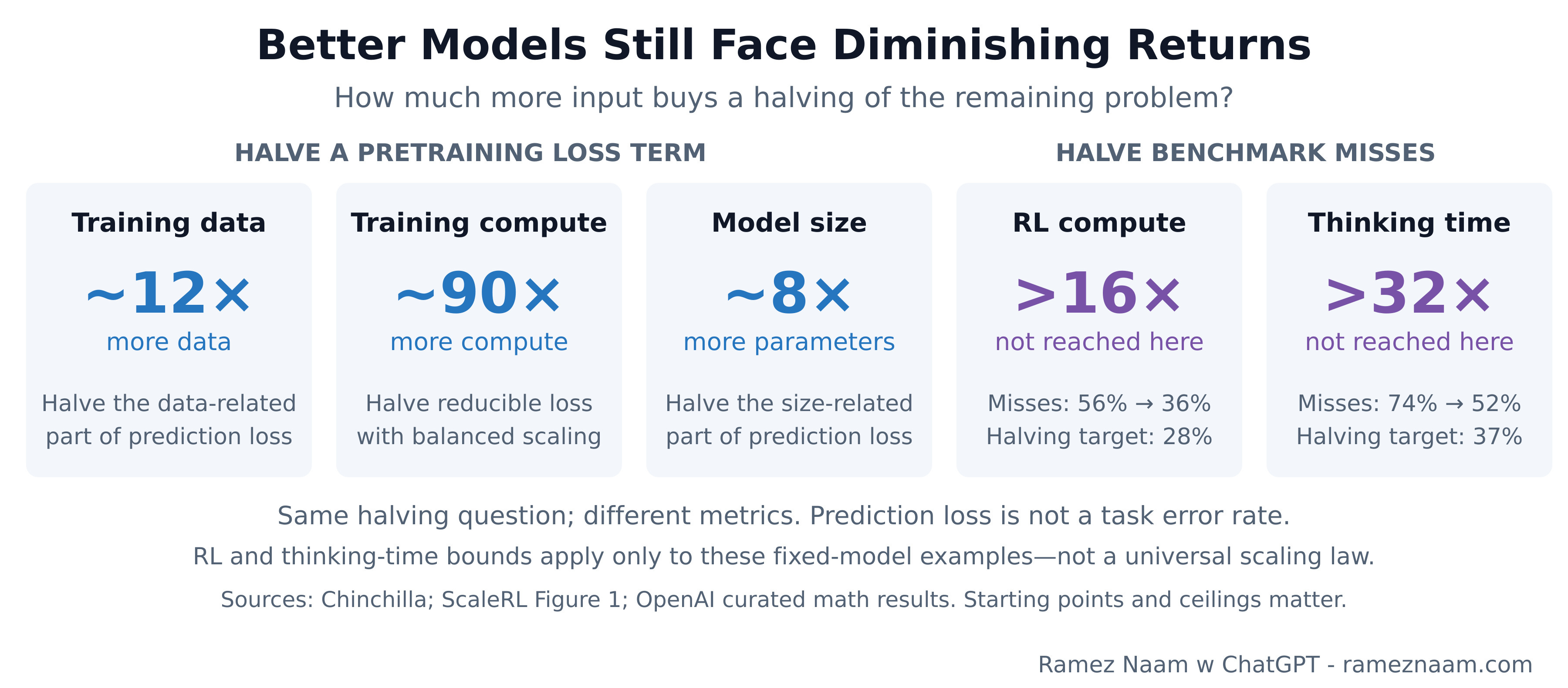
Figure 15. Diminishing returns to scaling. Chinchilla · ScaleRL · OpenAI.
Those scaling results give us reason to expect diminishing returns when AI helps build the next model, too.
6. We’re Not Seeing Runaway Acceleration
AI capabilities are rising quickly. But the public data doesn’t show a sustained acceleration. To the extent that AI tools are boosting productivity, they may be being offset by the problems growing harder. Or we may simply be early. Either way, the trend isn’t showing a fast takeoff.
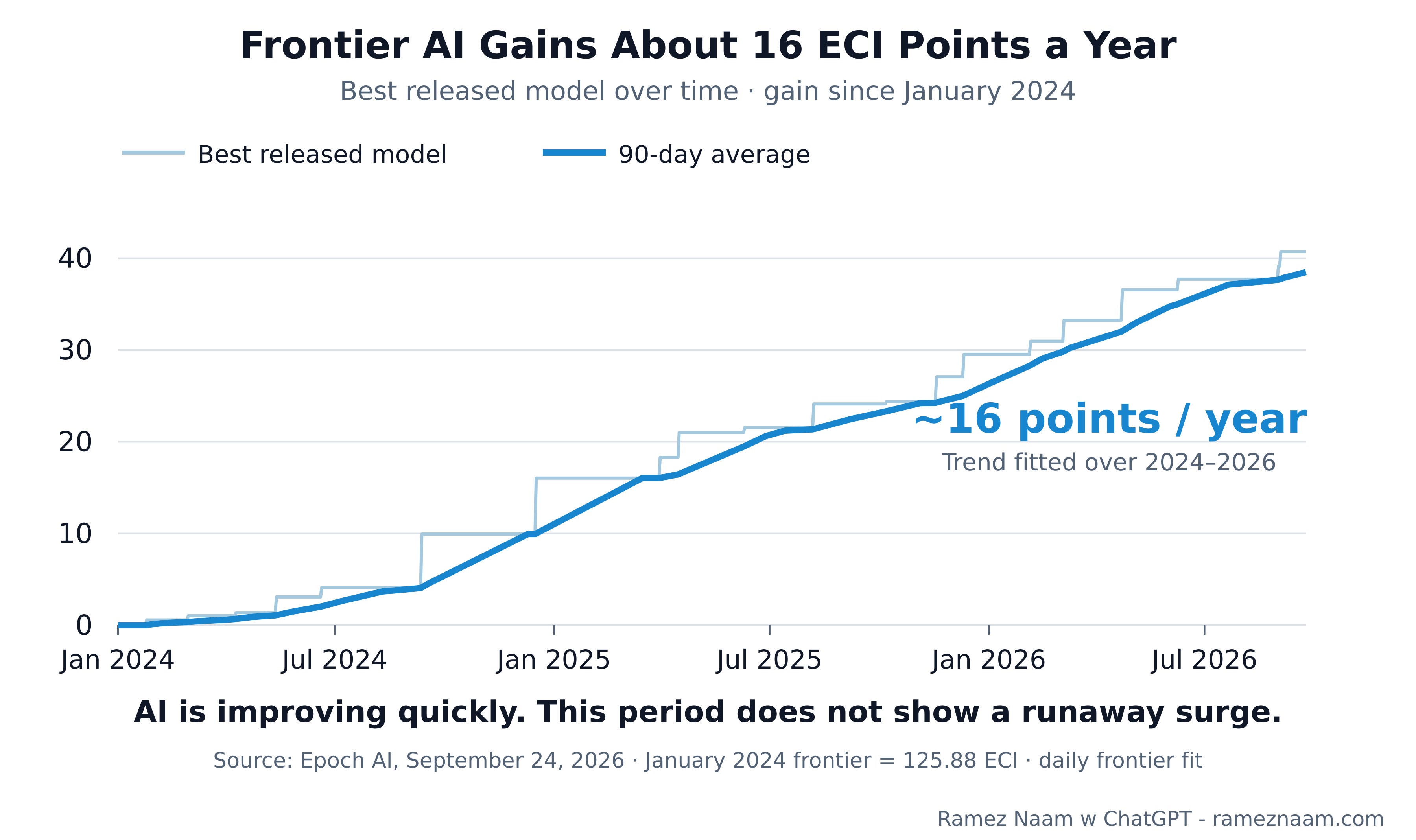
Figure 16. Frontier ECI gains since January 2024. Source.
The public ECI frontier-the best score among models released by each date-has gained about 16 points a year on a trend fitted from January 2024 through September 2026. That’s blisteringly fast progress, but this period doesn’t show a runaway surge.
Here’s the same frontier in absolute ECI points, through July 2026, to put it in perspective.
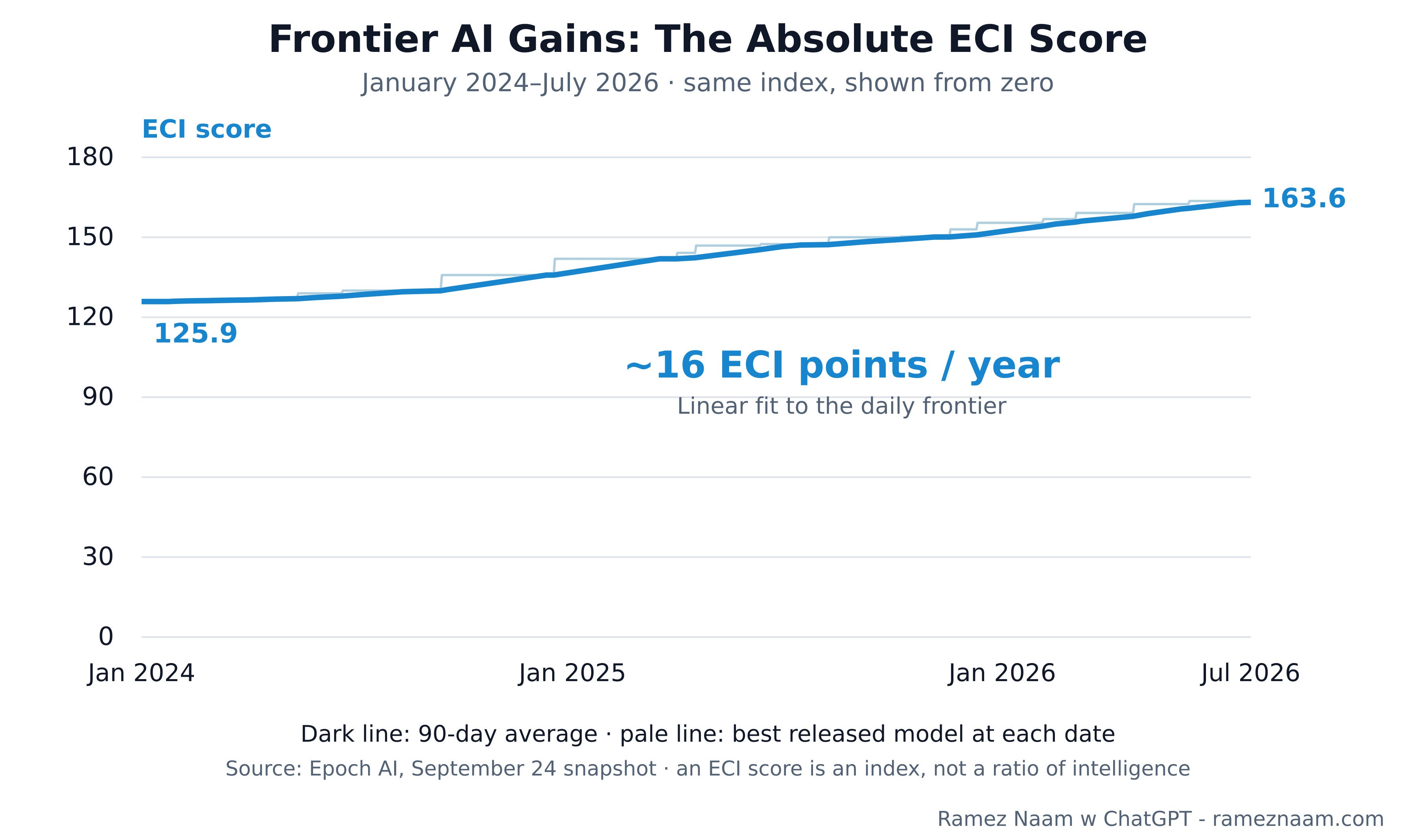
Figure 17. The absolute frontier ECI score. Source.
The public frontier also can’t tell us everything happening inside the labs. Anthropic gives us a closer look in the Opus 5.5 system card, using its own version of the index, AECI.
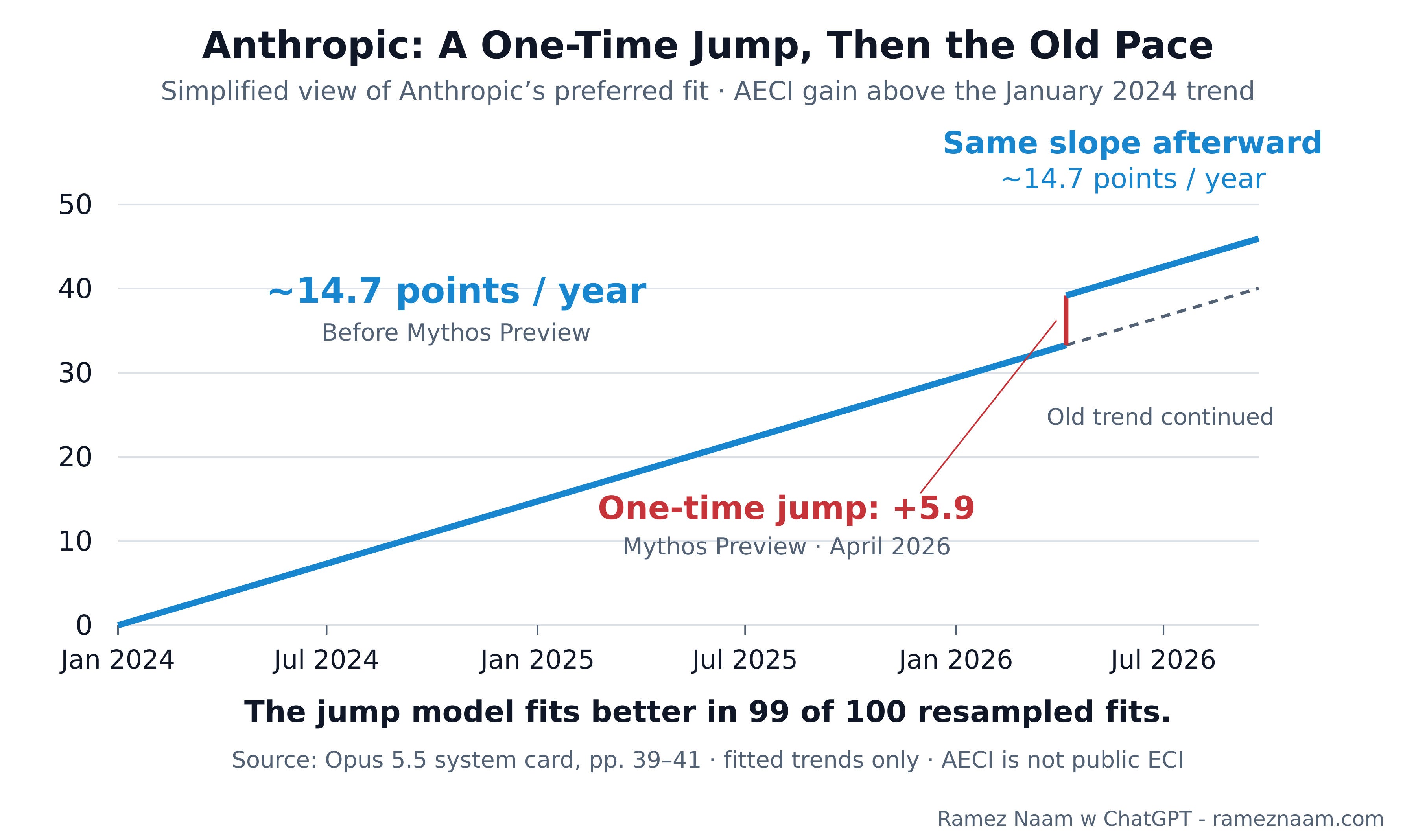
Figure 18. Anthropic’s fitted capability trend. Source.
Eli Lifland, a co-author of AI 2027 and AI 2040, saw the apparent trend break as a warning that we were heading toward an intelligence explosion:
“Anthropic is probably right here [that they hadn’t reached dangerous levels of AI self-improvement], but alarm bells should be going off! Our processes are not ready to handle an intelligence explosion and we appear to be going full-steam ahead toward one.”
- Eli Lifland, On Mythos’s AI R&D Capabilities
What looked like acceleration now appears more consistent with a one-time jump. The level went up. The rate hasn’t kept climbing.
Keeping Up the Pace Takes Exponentially More Resources
Achieving those gains has required an enormous increase in the inputs to AI. For example, consider computing power. Epoch’s estimates of AI chip capacity, measured in NVIDIA H100 equivalents, show roughly 127-fold growth in just over three years (including projections at the end of this period).
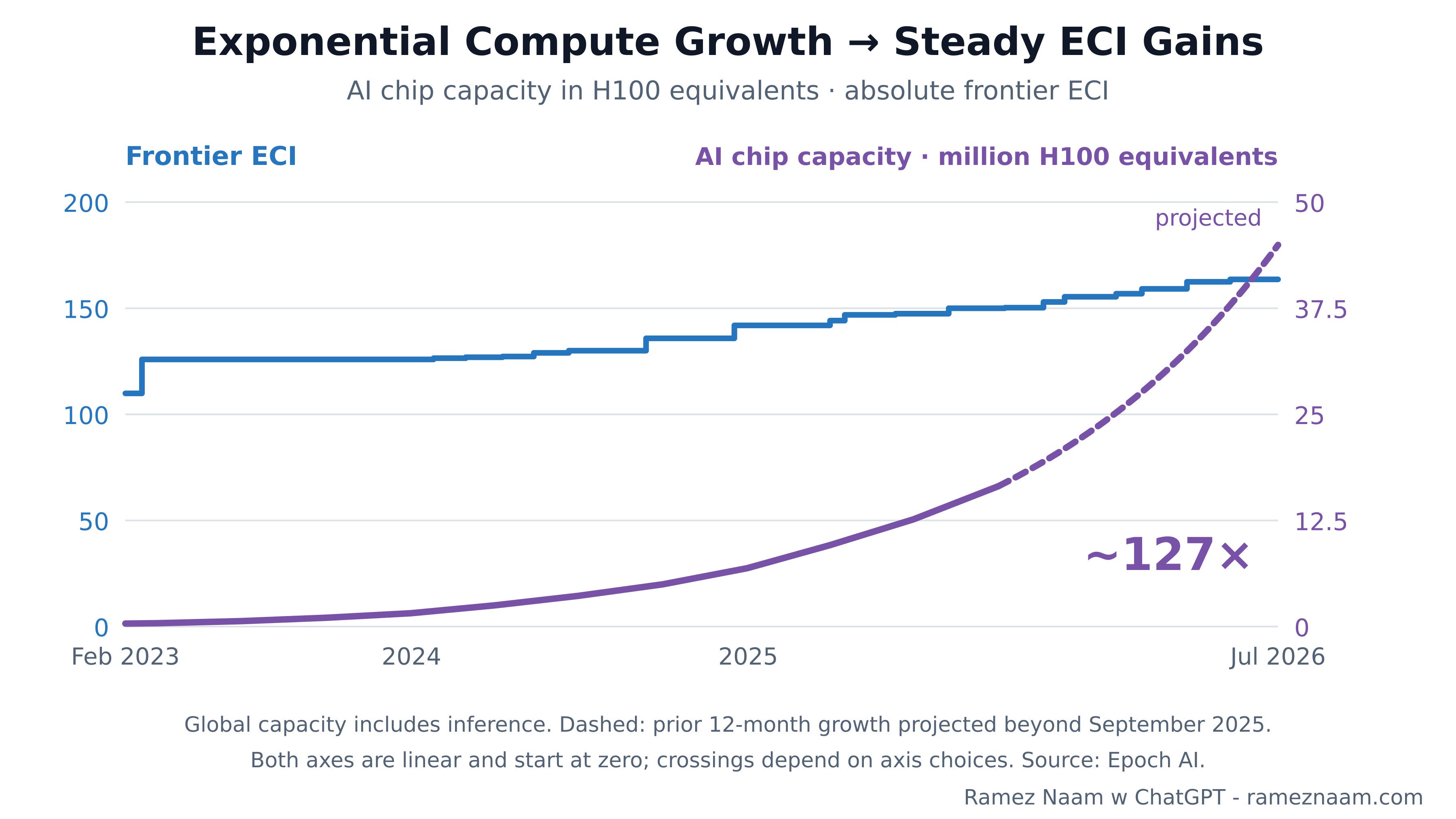
Figure 19. AI chip capacity and frontier ECI. Source: Epoch AI.
This is total AI chip capacity, including inference. Still, the increase is striking: vastly more computing capacity has accompanied much steadier gains in measured capability.
The broader picture looks similar. Here are six inputs alongside capability gains, going back to February 2023.
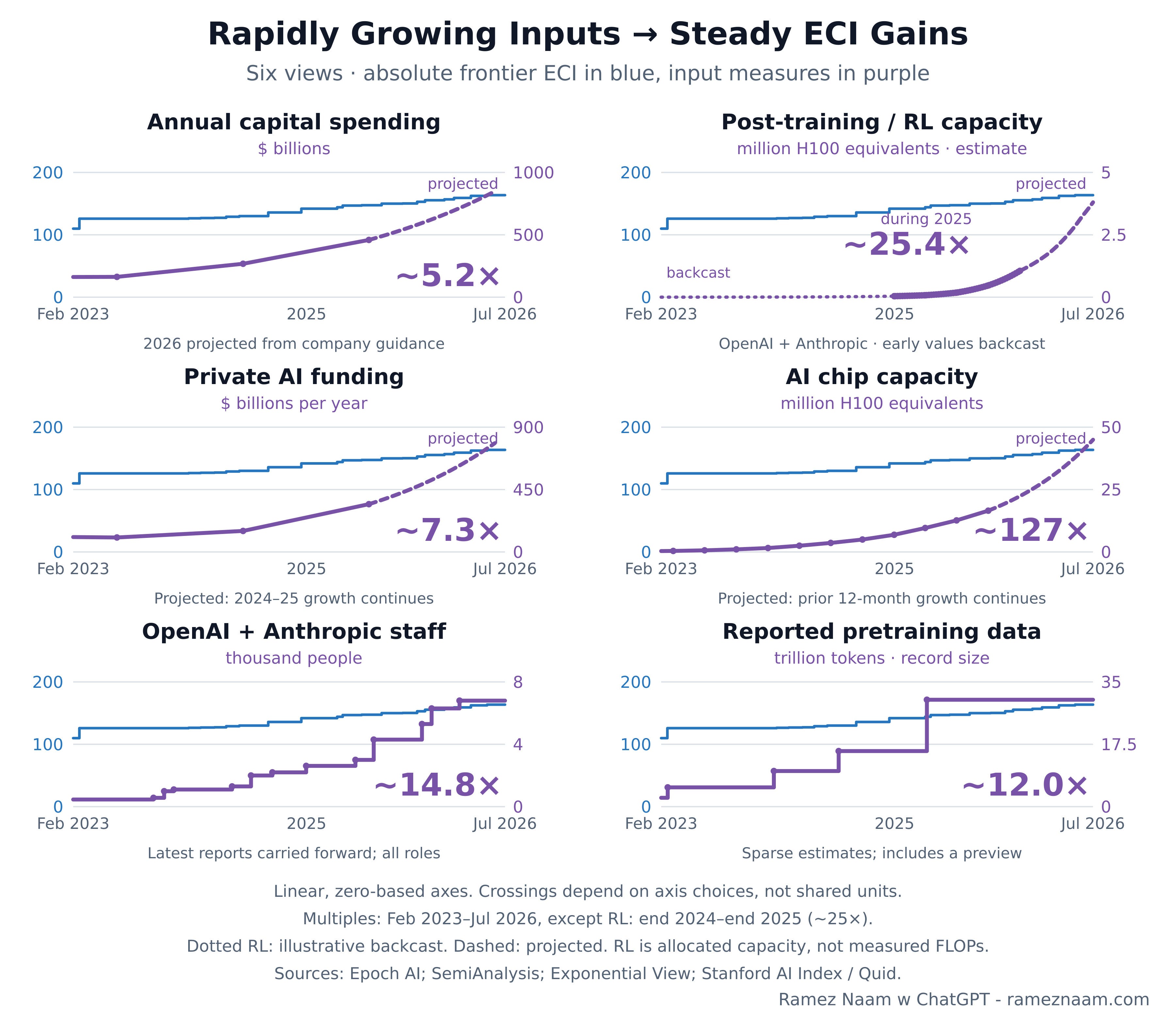
Figure 20. Six inputs alongside frontier ECI. Epoch chip data · SemiAnalysis workload shares.
Everywhere we look, AI has diminishing returns. It gets more expensive in treasure and talent to make each step forward. More of every input has been required to maintain steady gains in AI capabilities.
We’ve been able to scale these inputs because, until recently, the cost was within the scope of what hyperscalers could pay from their profits. That is no longer the case. From this point forward, future AI investment will increasingly depend on AI revenues going up. And the scale of the numbers - 3% of US GDP is now going into AI infrastructure - suggests that eventually the growth rate will decline. If investment growth does slow, to anything less than its current blistering exponential pace, capability progress could slow too. Even if investment growth continues (which I expect for the foreseeable future) a slowdown from its current exponential growth rate to a more modest one (which I also expect) could lead to a slower pace of progress. Better AI research tools may be needed to offset that.
Better AI May Be Needed Just to Maintain the Pace
The day when we need better AI tools just to continue the pace of AI progress may already have arrived. Not because investment is slowing, but because the problem of improving AI itself gets harder at each step.
Here’s Anthropic in the Mythos 5.1 system card:
“we believe that internal usage of recent AI models has been a key factor in maintaining the current rate of progress, but we do not yet see clear signs of dramatic acceleration beyond that rate.”- Anthropic, Claude Fable 5.1 & Claude Mythos 5.1 System Card, section 2.3 – emphasis theirs.
The key word is maintaining-and Anthropic italicized that word in its own system card. Increasingly capable AI may be essential just to keep the pace of improvement where it is.
Gains on Other Benchmarks Don’t All Carry Through to Research
Opus 5.5 improves substantially on several coding and computer use benchmarks. But on CoBench, Anthropic’s benchmark built from historical AI R&D problems, it gains just 2.6 percentage points over Opus 5, within the reported error bars.
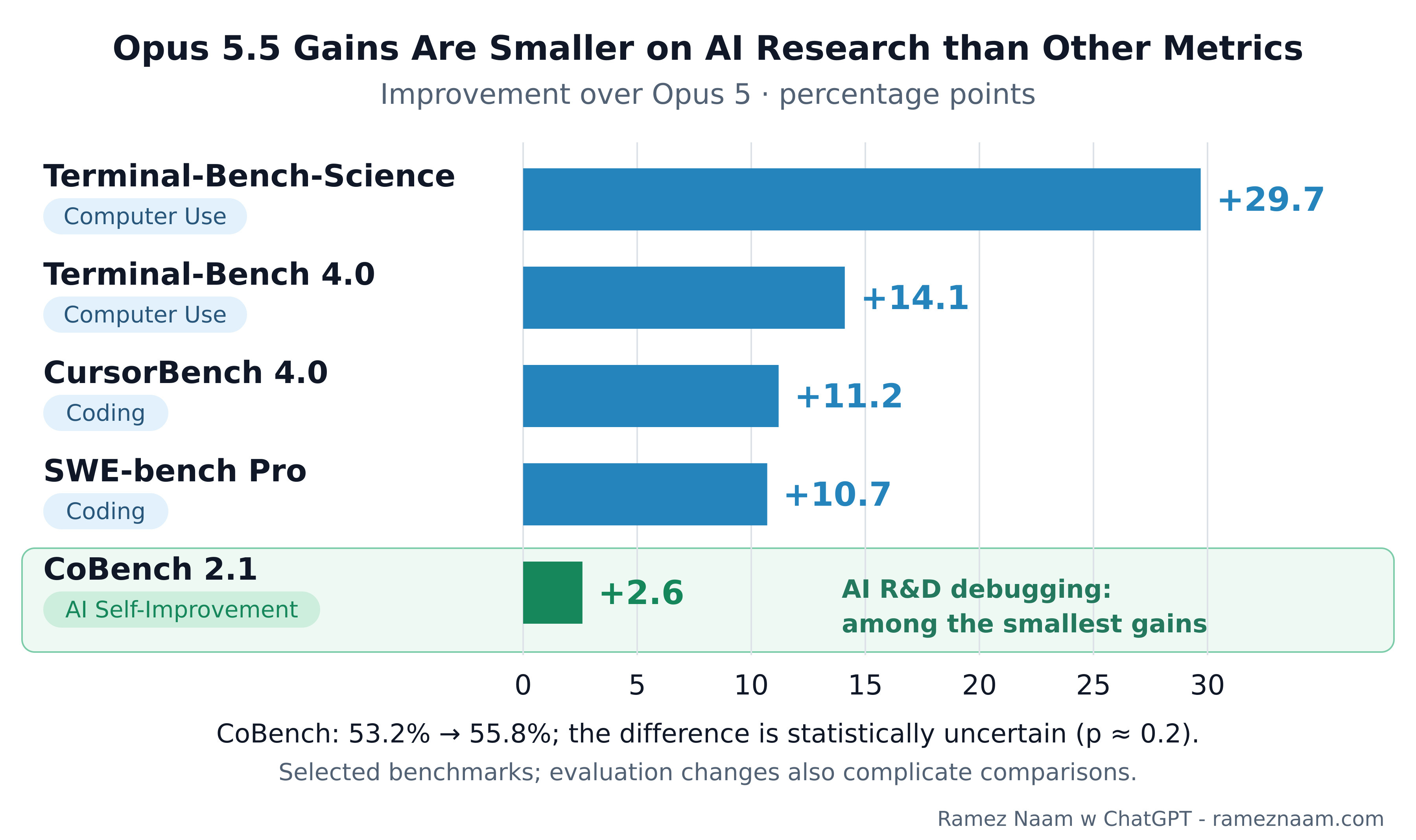
Figure 21. Opus 5.5 benchmark gains. Source.
Why the smaller gain here? Maybe AI research is simply harder than other tasks. Bear in mind that CoBench isn’t testing the ability to produce significant discoveries. It’s much more limited in scope. It asks models to investigate historical AI R&D problems using code, logs, and documents. That’s useful research debugging and productivity work, but it doesn’t directly test whether a model can invent a new architecture or make a conceptual breakthrough.
The evidence on open-ended research suggests another obstacle: coming up with useful ideas that haven’t already been tried.
7. Why Does Progress Get Harder?
Better Ideas Get Harder to Find
Why do useful new ideas often get harder to find?
Tom Cunningham and Manish Shetty have a useful apple-picking metaphor. An AI can pick the low-hanging fruit quickly, while humans can still reach ideas the AI can’t.
Once those apples are picked, another copy of the same agent finding them again doesn’t help. A stronger model can reach higher. To add my own flourish, the apples may also get sparser and farther apart as you climb. The RSI question is whether each harvest gives us enough to build a better apple-picker.
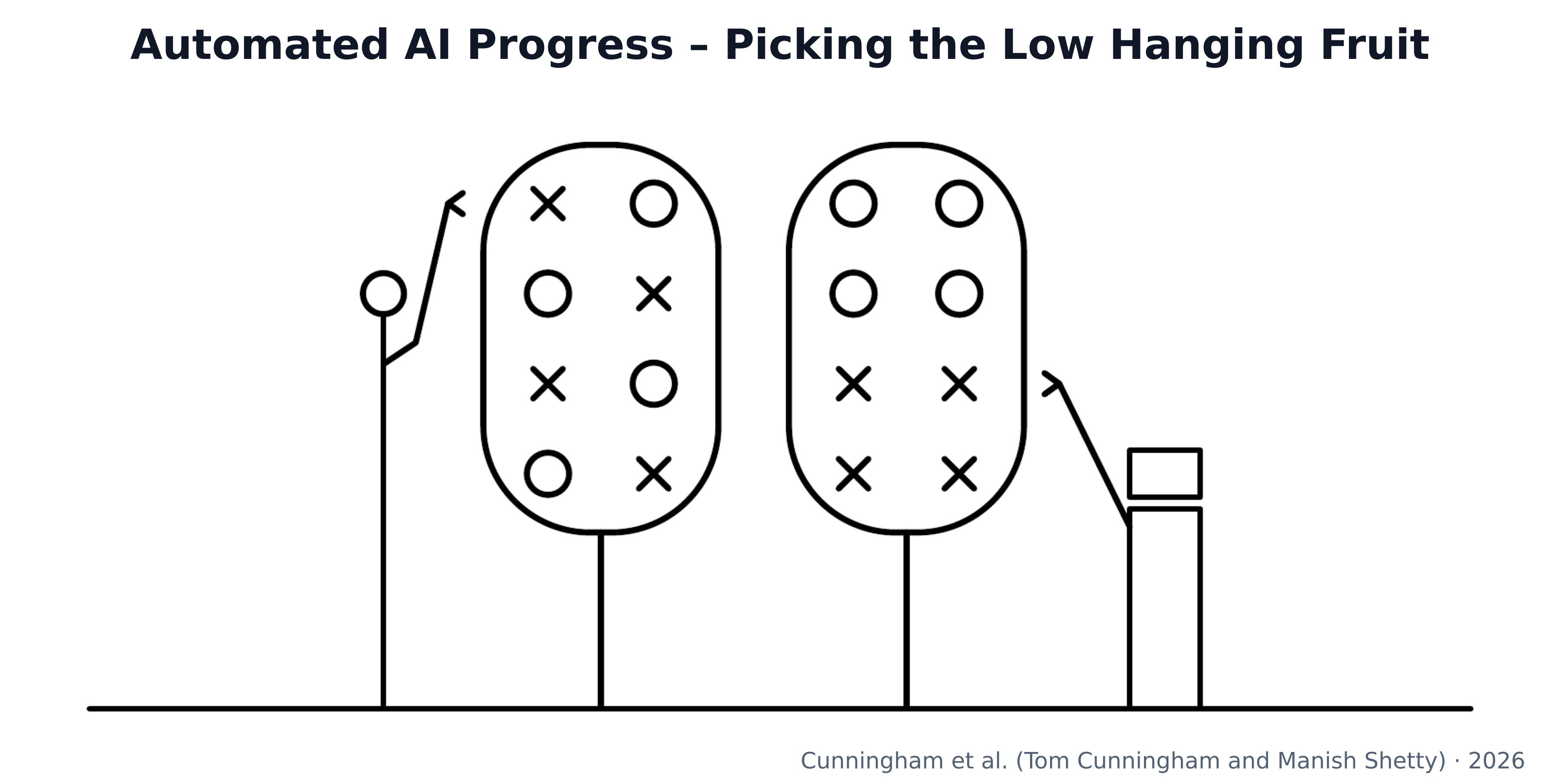
Figure 22. The apple-picking model of AI R&D. Source.
This pattern shows up across R&D. Bloom and colleagues document fields where research effort grows while research productivity falls. A famous example is Eroom’s Law: in the historical drug-development data, the inflation-adjusted R&D cost per new approved drug roughly doubled every nine years.
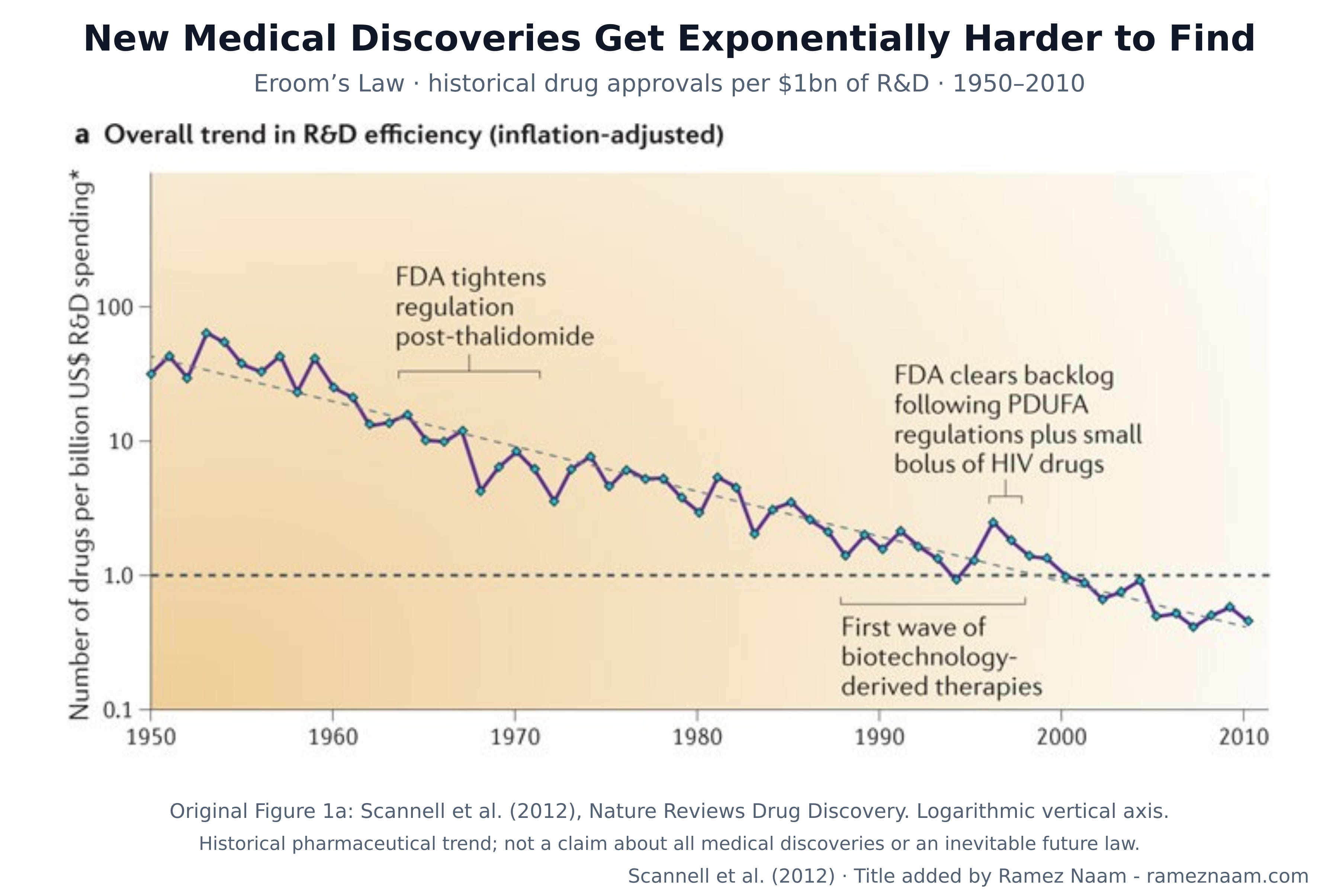
Figure 23. Eroom’s Law in drug development. Source.
Pharma has other complications, including regulation, difficult clinical trials, and rising expectations for safety. Existing treatments can also raise the bar for a useful new drug. But some of this difficulty may also be that the low-hanging fruit has been picked.
Lessons from Software R&D
Stockfish, the chess engine, gives us a more direct look at software research. We have records of experiments aimed at improving it and the gains that followed. This gives us a real-world dataset to look at the gains of experimentation in software. As a result, several RSI models draw on this data. That said, not all the improvements came from these experiments. Several important ideas also came from outside the project, so we shouldn’t give its experiments all the credit.
Epoch’s analysis of software R&D estimates returns to research effort at about 0.83 for Stockfish, a bit slower than linear. These are diminishing returns, but gentle ones. These returns, however, are improvements in computational efficiency. And more compute does not turn directly into more AI capability. As we saw earlier, AI capability also has steep diminishing returns from adding more computational power. So we shouldn’t read that 0.83 as the return from experimentation to AI capability itself. AI capability grows much more slowly than compute, as we’ve seen already.
Andrej Karpathy’s autoresearch demonstration gets closer to the process we want to understand. A “teacher” AI agent changes a smaller “student” AI model’s training code, runs it, checks the result, and tries again. The teacher agent itself doesn’t improve, but it is able to improve the “learner”. This is my Type 2: A stronger AI improves a weaker one.
One public run, posted by an agent operating on Karpathy’s behalf, reported 89 experiments over roughly 7.5 hours. About 92% of that session’s gain arrived by run 44. Gains came quickly, then slowed. The setup was deliberately small, with a five-minute training budget per experiment. But the agent could change the architecture, optimizer, and training settings; it wasn’t limited to a handful of knobs.
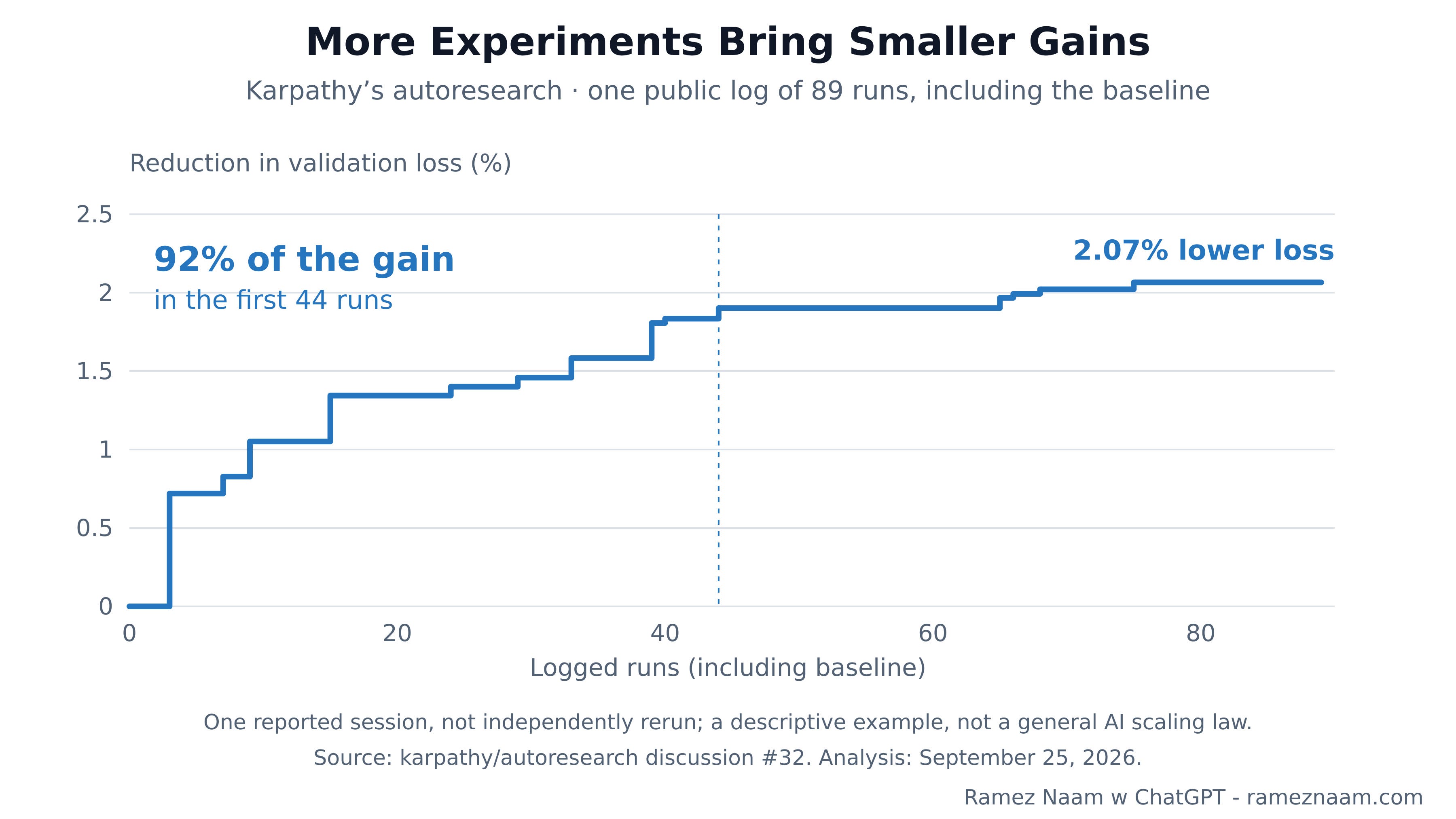
Figure 24. Gains in one autoresearch run. Source.
A later public run got further, so the first run hadn’t hit a hard ceiling. This is a useful early example of autonomous research, and yet another place where we see the diminishing returns endemic in AI research. That said, this was a very early experiment. I expect future systems to do much better. This particular AI improvement loop will likely grow stronger.
From More Activity to Better Ideas
This is where the distinction matters. More tokens can buy more code, and more code can help us run more experiments. But experiments only improve AI if they uncover something useful.
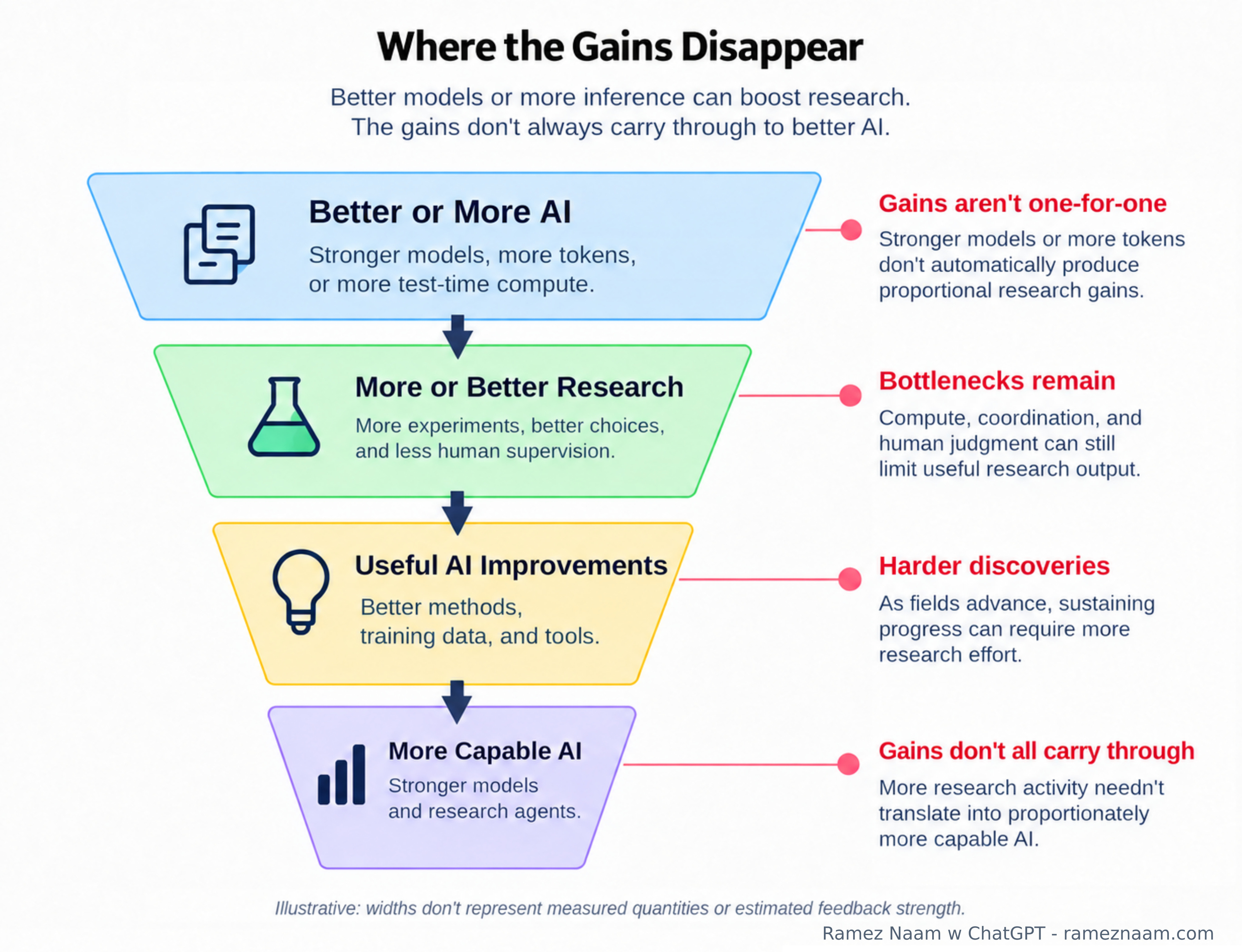
Figure 25. From AI activity to useful improvements.
AI Still Struggles With Big Research Ideas
The bigger question is whether AI can come up with ambitious new research ideas or conceptual breakthroughs.
Anthropic’s description of Opus 5.5 is blunt:
“As with previous models, it is weaker on open-ended research: internal users report that it mostly tests incremental ideas and prefers less ambitious hypotheses, and in our human-run biology exercise, it deferred to the published literature and struggled to develop novel ideas (Section 2.2.2).”- Anthropic, Claude Opus 5.5 System Card, section 2.3.3; emphasis mine
METR’s assessment in the same card identifies what may still be missing:
“This is highly uncertain, but we expect that full automation of AI R&D will require large improvements in foresight, prediction, creating one’s own feedback loops, and generally other skills that might typically be referred to as researcher ‘judgement’ or ‘taste’.”- METR, quoted in the Claude Opus 5.5 System Card, section 2.3.6
In these examples, humans still supply much of the direction and judgment.
Future models will probably get better at this. But in the world’s stockpile of potential training data, we have many more examples of incremental work than of breakthroughs. I wonder whether that makes novelty harder to learn. That’s speculation, but worth watching.
This is also tough to address by simply running more copies of the AI. A huge number of parallel agents can help with the incremental improvements or searching over a large set of parameters, but for breakthrough ideas they may run into the homogeneity problem: More parallel agents still think alike.
8. The Self-Improvement Loop Doesn’t Look Strong Enough
How far are we from the self-improvement loop being strong enough to sustain itself, or to propel itself into runaway super-intelligence? Can we quantify this?
We can make a rough estimate. Better AI helps with research; useful research produces better AI. For the loop to sustain itself, each round must produce enough gains to propel the system through the next loop, even as improvements get harder to discover.
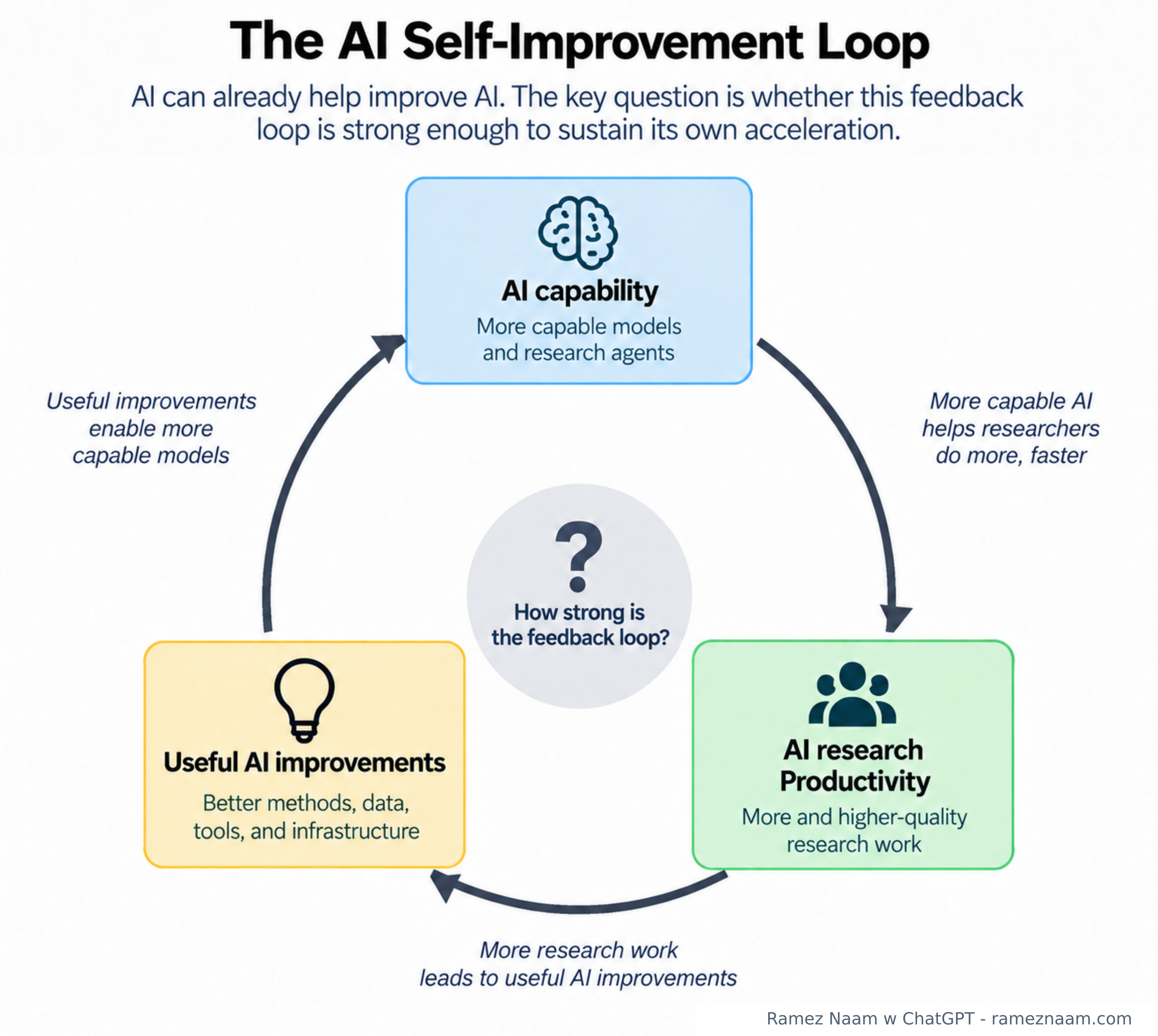
Figure 26. The AI self-improvement loop. Model.
In a recent paper, The Economics of Recursive Self-Improvement, Tom Cunningham and colleagues modeled this from the standpoint of how much more productivity every point of additional ECI produces from an AI. They ask first and foremost what that number would need to be to create a self-sustaining feedback loop. And secondly, they try to determine what that productivity-per-ECI-point number is today.
First, they find a self-sustaining RSI threshold of roughly 15% more research productivity per extra ECI point. In their model, that’s about where better AI would generate enough progress to sustain the loop.
The picture below shows the idea. At the threshold, each cycle of gains powers the next. Above the threshold, the feedback loop accelerates. Below the threshold, the feedback loop is too weak, and the rate of improvement it brings drops on each cycle. This model isolates the software loop; outside investment can still drive rapid progress.
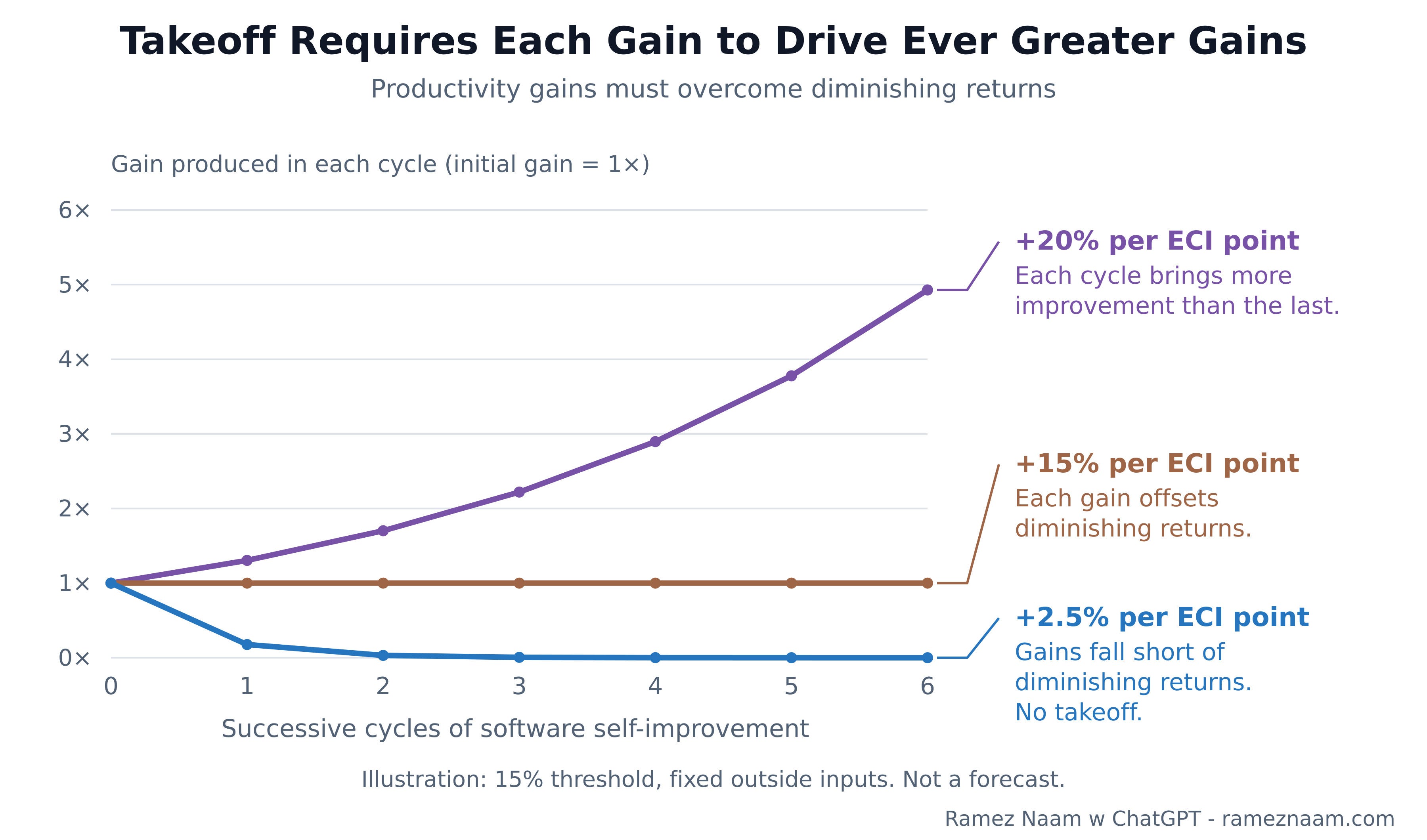
Figure 27. Three illustrative feedback paths. Source.
Updating this slightly with data from the Stockfish experiments puts the threshold a little higher, at roughly 19% per ECI point. I wouldn’t put much weight on that precise difference. Both estimates are uncertain. But they give us a way to think about the strength of the feedback loop and a rough band at which self-sustaining or runaway RSI may begin.
How Fast Are Gains Coming Now?
The second thing Cunningham and team do is make a rough estimate that the current AI productivity gain is about 9% per ECI point. That’s below their self-sustaining threshold.
I like the model. OpenAI’s newer data, however, suggests the loop may be quite a bit weaker.
Cunningham’s estimate of 9% productivity gain per ECI point is based on Anthropic’s survey of 130 staff, who reported roughly 4× the productivity they’d have without AI. Cunningham and colleagues compare that with a 16-point capability gain since early Claude Code.
That comparison assumes the earlier tools added little or no productivity, so ‘no AI’ is a reasonable starting point. The authors say this explicitly. I’m not sure the assumption holds for the same researchers doing the same work, but that’s a smaller issue.
The authors themselves know that this is a rough calculation, and warn that the 4× survey estimate is probably too high.
OpenAI’s newer data gives us a firmer way to check the number: Actual logged experiments over time, rather than human estimates of their own productivity with and without AI. I put more weight on this for three reasons:
Direct and broad measurement. Instead of relying on surveys, OpenAI actually tracked and measured experiments run on their infrastructure. That means they didn’t rely on researchers estimating their own productivity, which can be far off.
Full sample, not opt-in. Similarly, OpenAI’s data catches every active experimenter, while Anthropic’s only reflects the 130 employees who took the time to answer the survey – and who therefore may not be a representative set.
Enormously more data. We don’t know how many experiments are in the 32 weeks of OpenAI data, but it’s likely at least tens of thousands of individual examples and possibly hundreds of thousands.
Any way you slice it, the new OpenAI data, released after Cunningham’s paper was drafted, is a larger, more comprehensive, more representative, and almost certainly more accurate dataset than Anthropic’s internal opt-in survey of employees.
Now let’s use OpenAI’s experiment data to calibrate the productivity gain per ECI point. We know that in August, OpenAI researchers ran ~1.6× as many experiments per person per month as the 2025 average. If we pair that with roughly 16 points of frontier ECI improvement, it works backward to about 3% productivity gain per point of ECI. By contrast, 9% compounded over 16 points would mean roughly 4× productivity.
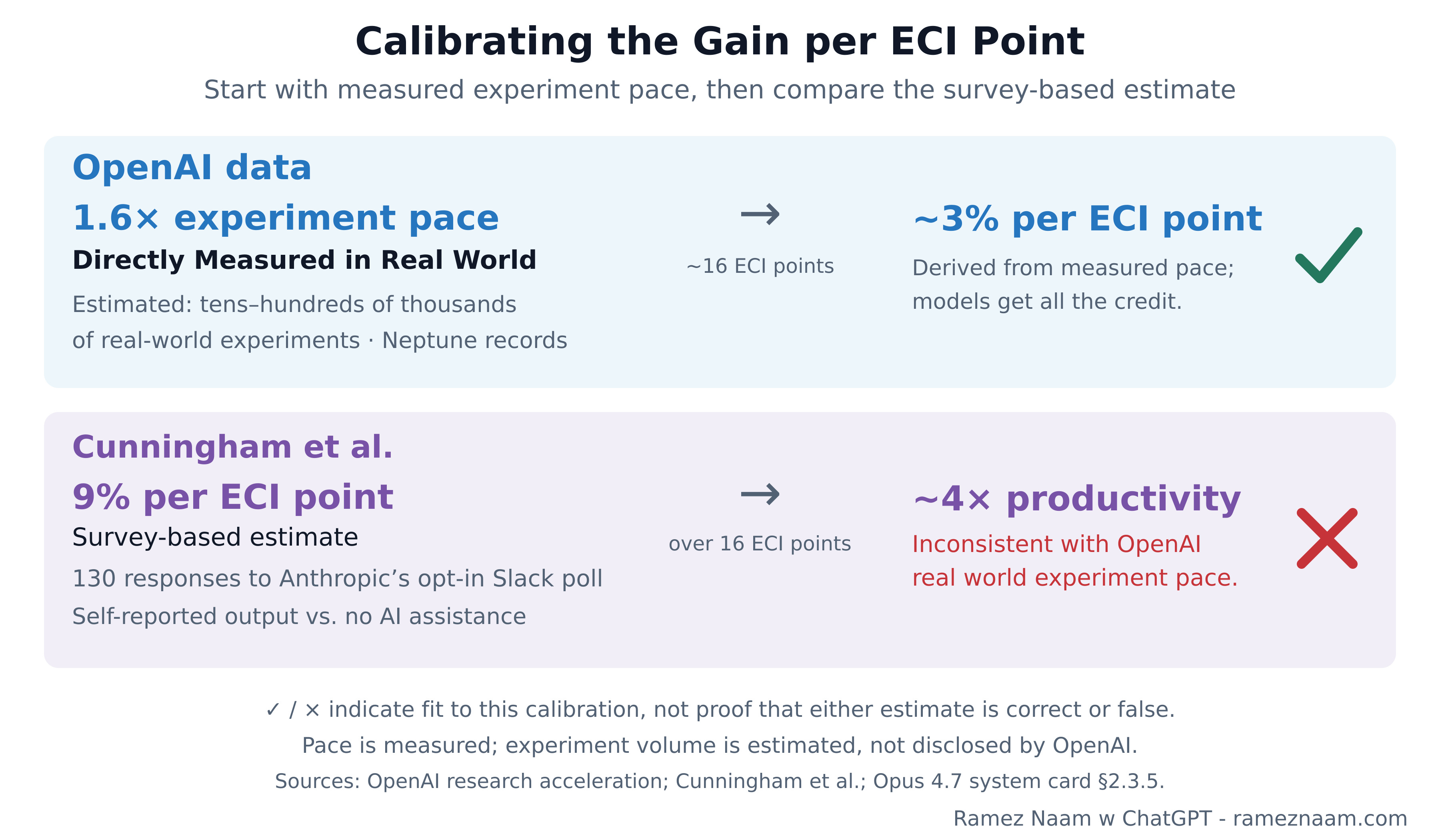
Figure 28. Comparing productivity estimates. OpenAI methods.
Here’s OpenAI’s published weekly series alongside that hypothetical path of 9% more productivity per additional ECI point. The blue line ends at ~1.6×. The red line shows what 9% per point would imply if 16 ECI points were spread across this period. That doesn’t match what we see from OpenAI’s data. I want to be clear here that all data sets are noisy. We don’t know exactly what model researchers were using on what days, or whether the new experiments were also higher quality than old experiments. We need more experiments and more data to further calibrate these numbers. Working with what we do have, what we see is a quite low boost to productivity from each additional ECI point.
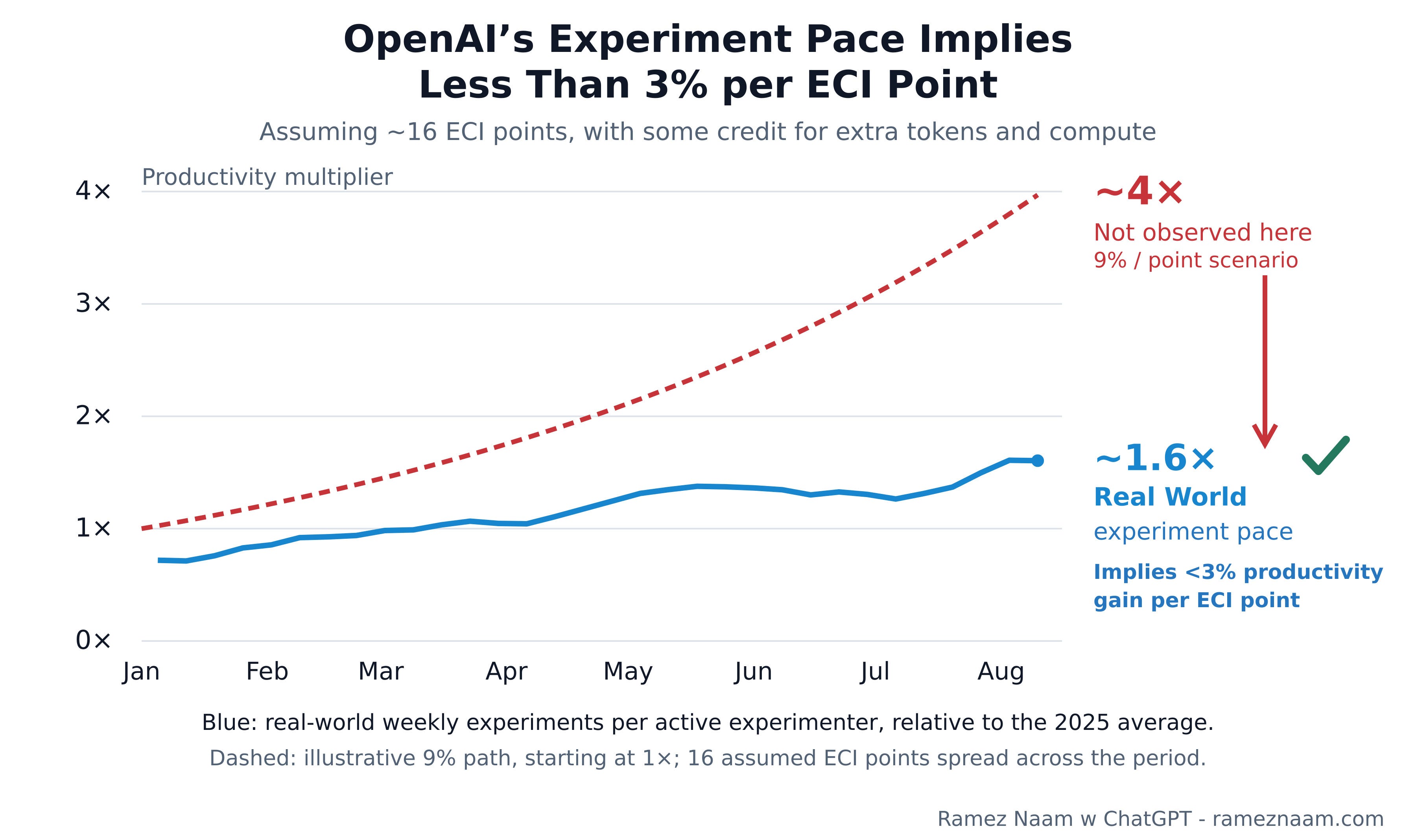
Figure 29. Experiment pace versus a hypothetical path. Source.
Even that 3% could give better models too much credit. OpenAI also used far more tokens and had more compute for experiments. Those could account for some of the increase in experiment pace. So the range is probably a bit lower.
I use 2–3% productivity gain per ECI point as a working assumption, allowing for some help from those other inputs. This is still a rough estimate, albeit one that’s based on the best real-world data we have.
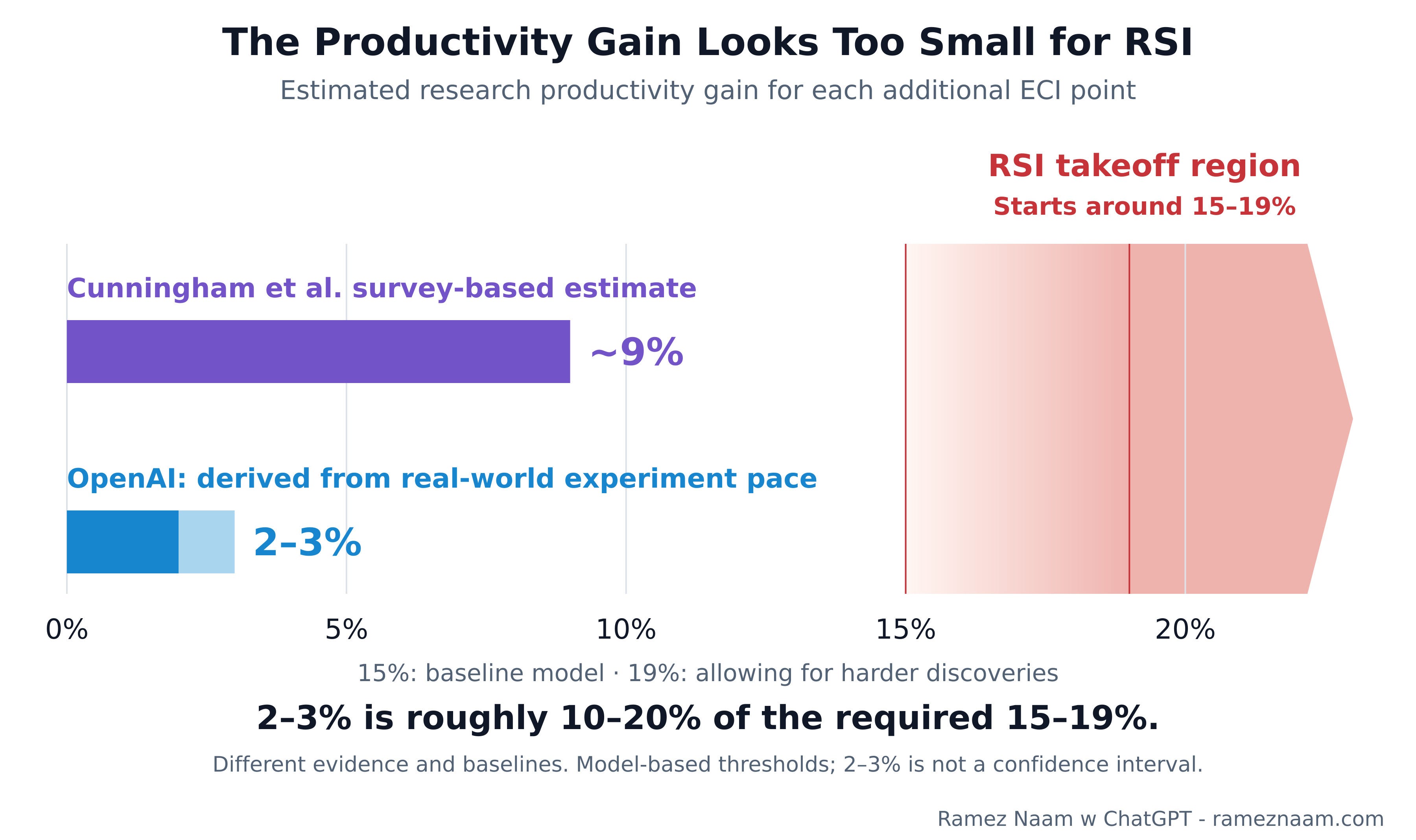
Figure 30. Productivity estimates and the takeoff threshold. Source.
With those assumptions, 2–3% per ECI point against a 15–19% threshold leaves a roughly five- to tenfold gap. That’s a big gap, though its size depends on how well experiment counts capture useful research and whether the assumed capability change is right.
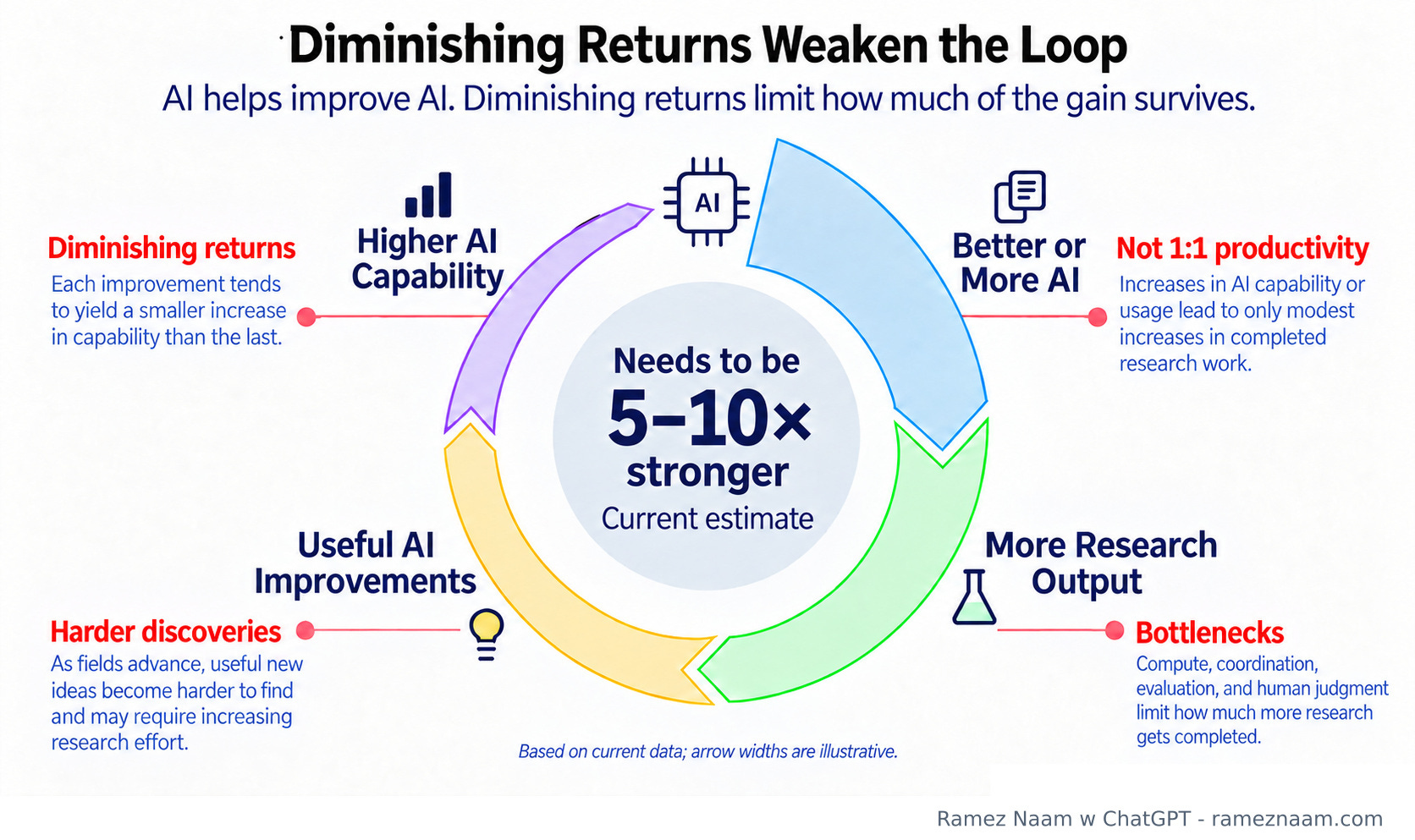
Figure 31. Diminishing returns around the loop. Source.
AI is helping build better AI. Under this estimate, though, each turn of the loop adds less than the last. The feedback would have to become much stronger to sustain itself.
9. What Could Accelerate This?
This software loop sits alongside faster chips, bigger data centers, more training data, and greater investment. Those can keep driving rapid progress even if the loop can’t sustain itself.
The loop itself could strengthen too. Better training data, memory, and research judgment could all help.
A breakthrough on the scale of the Transformer architecture in 2017 could change the picture much more. That would be a good reason to revisit these estimates.
Better researchers might also run fewer experiments and learn more from each one. A handful of better ideas can matter more than a mountain of routine runs.
Still, diminishing returns in machine learning aren’t new. Cortes and colleagues were fitting machine learning scaling curves in 1993: More examples reduced error, following a power law with diminishing returns. These diminishing returns and harsh scaling laws are as old as machine learning. They didn’t appear for the first time with transformers or LLMs or deep learning. That doesn’t prove today’s relationships will last forever. But until we see evidence that we’ve found a new approach that scales without these inhibitors, we should plan for diminishing returns as likely to be with us for some time.
Software, Hardware, and Economic Feedback
That said, the world is more than just software. Tom Davidson, Basil Halperin, Thomas Houlden, and Anton Korinek model software progress, hardware progress, and economic feedback together. Better AI helps design better chips; better chips support better AI; economic growth finances more investment in both. Several feedback loops can combine to overcome diminishing returns even when one loop alone can’t. I think it’s fantastic that someone has attempted a model that integrates all these different avenues of improving AI through software, hardware, and economics.
But I have questions about the software loop itself. In their central calibration, fully automating software research puts that loop roughly at the threshold for explosive growth, even without help from better hardware or broader economic growth. Recall that Cunningham’s model puts the self-sustaining threshold at roughly 15% more research productivity per additional ECI point, while our estimate using OpenAI’s experimental data puts today’s gains at only 2-3%. These models use different measures, so we can’t equate their numbers directly. But the contrast matters: their fully automated software loop reaches the threshold, while our best estimate from current data puts today’s loop far below it.
Having AI do all the research doesn’t eliminate the diminishing returns inherent to improving AI, or the broader problem of useful ideas getting harder to find. This is the distinction between Type 4 and Type 5 in the taxonomy above. An AI might autonomously design, train, and test its successor, and still need exponentially more resources to make each additional step forward. Closing the loop doesn’t tell us whether it’s strong enough to sustain itself.
The authors do account for diminishing returns. The concern is whether their calibration overestimates how much useful AI research each round of software improvement produces. Diminishing returns appear to be fundamental to machine learning. We see them in training, in test-time compute, and in the search for better algorithms. Full autonomy could remove human bottlenecks without removing any of those constraints.
We’ve already seen this within autonomous research. In the Karpathy autoresearch example above, most of the gains arrived early, and more experiments bought progressively less improvement. That was a small experiment with a fixed teacher model, not a test of fully autonomous RSI. It doesn’t settle the question. But it illustrates why removing the human from an experiment loop doesn’t, by itself, remove diminishing returns.
I do expect the feedback loop to get stronger over time. Better AI should become better at research. But based on our best current data, reaching self-sustaining feedback requires a loop roughly five to ten times stronger than today’s. Treating fully automated software research as already at that threshold is a substantial leap, before we add the benefits of hardware improvements or economic growth. I could be wrong, but I’d like to see evidence that autonomy brings enough additional useful discoveries to close that gap.
On hardware, I have some further reservations. The model doesn’t explicitly include the years it can take to turn a chip design into deployed hardware. The authors discuss physical bottlenecks, and I’d like to see manufacturing and construction delays built into the predictions.
I also wonder how much past chip progress came from better ideas, and how much depended on ever more expensive factories and equipment. If we give researchers too much credit for gains that also needed those investments, we could overestimate what faster AI research alone would produce.
Even with those reservations, this is the most compelling paper and model I’ve seen for combining feedback loops in software, hardware, and economics to understand how fast they could push AI forward. I’m not convinced it establishes that a fast AI takeoff is possible under realistic conditions. More data could help us calibrate that judgment. But it gives us a useful framework for understanding what could happen beyond the software layer alone.
This is an important paper that helps us model AI as part of a broader economy that might have larger feedback loops around it. I appreciate it, and I’m glad they wrote it.
10. We Need More Data
These estimates rest on less data than I’d like. I might be putting too much weight on a few observations and reaching a comforting conclusion I want to believe. We need better measurements, shared often enough to catch changes as they happen.
When OpenAI released its research data, Cheryl Wu welcomed the disclosure and pointed out how much was still missing. More tokens and experiments are useful things to know about. We also need to see how they turn into better algorithms and more capable AI.


Figure 32. Cheryl Wu on OpenAI’s research data. Source.
Now Wu, Arjun Ramani, and Basil Halperin, with their colleagues at the Elasticity Institute, have written a concrete proposal: How to Measure RSI. It lists eight things the labs could share to help answer these questions. Check it out.
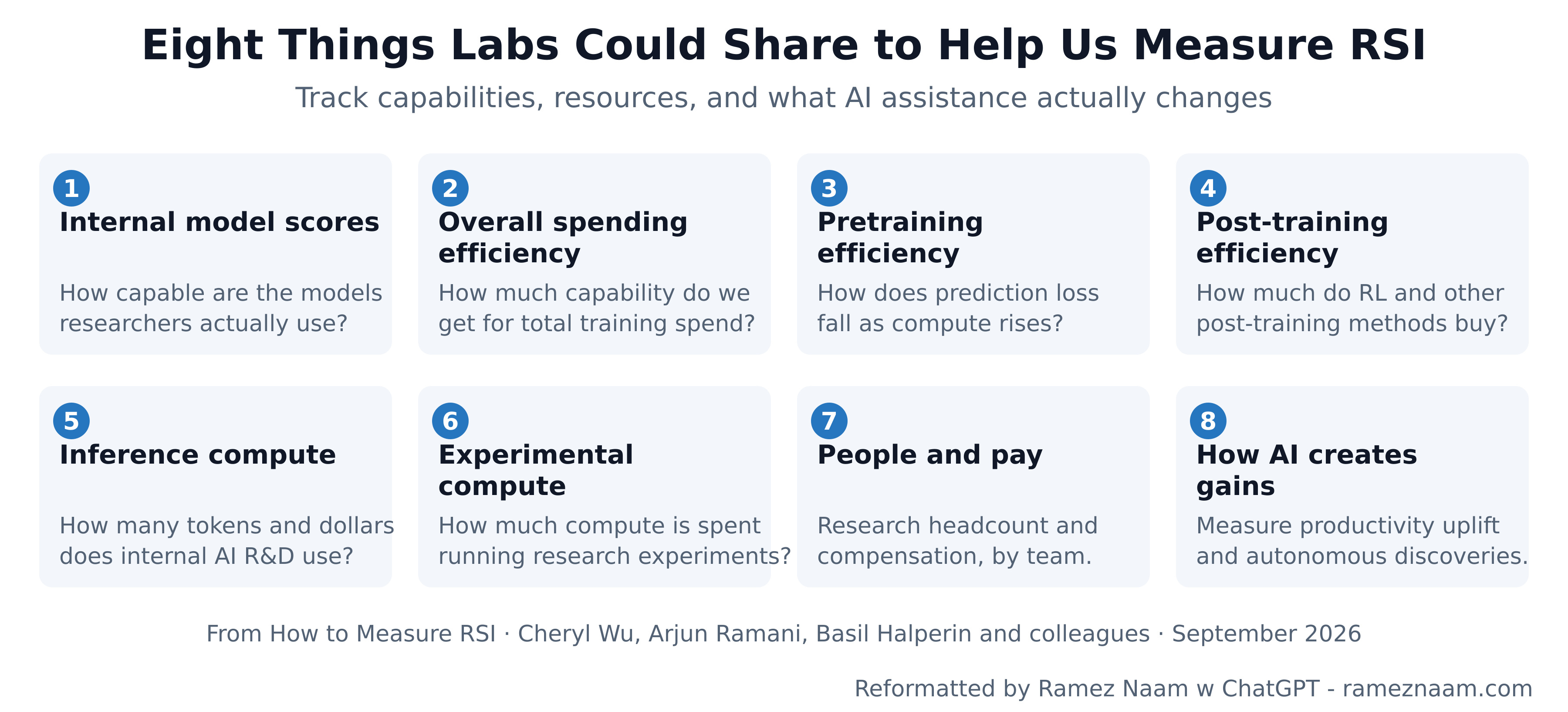
Figure 33. Eight proposals for measuring RSI. Source.
I’d especially like to see how much useful research each new model adds, holding resources roughly constant, and how that research translates into better AI. That’s how we’ll learn whether the loop is getting stronger.
What the Future Holds
AI is already helping build better AI. It’s improving at a stupendous pace, and I expect that to continue. We already have narrow superintelligence in chess and Go. I expect increasingly superhuman performance in parts of formal math, coding, and cybersecurity, and any other verifiable domain where machines can generate training data and verify success at machine speed. Those are powerful capabilities. That doesn’t mean we’re close to super-intelligence for less verifiable, messier, open-ended work - or to a general ASI.
I’m skeptical of a fast takeoff to super-intelligence, but evidence matters more than hunches. Let’s collect the data we need to get a clearer picture of what’s happening. Including evidence that could change our minds. If better AI starts producing enough useful research to make the next round easier, I want to know. If the gains keep shrinking, I want to know that too.

Great post, long-time Naam fan here.
I'm an older working R1 research scientist in an AI-adjacent field.
This post rings true to me. And it boils down to one thing IMO, learned through a long career in science. Meaningful intellectual progress, making new insights and understanding, is exponentially hard. That means progress is logarithmic in time-integrated effort.
Popular history gets this wrong... it's all Eureka! a lone genius has a brainwave and the world is changed forever. That is the numerator, the insight. The denominator is how many ideas were abandoned, how many researchers didn't have the insight, how many students helped push, but then flew away to industry, how many research grants ended up making only mediocre papers?
And the language around ASI assumes, all we have to do is build a robot Einstein, pump in some electrons and its Eureka's every day, or a rapidly rising hyperbolic crescendo of Eureka's to a finite time singularity.
To me, that expectation is risable. We have forgotten Gödel.
Every past breakthrough, no matter how large, has just pushed back the frontier of human knowledge a little more.
The frontier labs are not building AI Einstein's that can make breakthroughs. We are building tools for an AI-powered scientific apparatus, with humans embedded in it for at least a while longer. And that scientific apparatus will make the same plodding, occasional small jump forward progress as before. And when AI really helps move the enterprise forward, it will just be a subtle but real trend break on the scientific progress curve from 2020 to 2040.
From the introduction: "Ramez’s case necessarily rests on a lot of assumptions"
I think the implication here is backwards. It is Ramez, in contrast to the AI doomers, that tries to avoid assumptions (especially those with massive error bars). Every AI doomer "50/50 we die" post I read makes implausible assumptions with simple slight of hand.
The one phrase everyone needs to take from this lengthy post is "Diminishing Returns". In retrospect it will seem obvious, that the AI focused catch up in hardware, firmware, infrastructure, compilers, software, and platforms compounded to create the impression that there were no diminishing returns.
Ramez shows us it is an illusion. (And most using these tools for production work experience it whether they realize it or not).
This all reminds me of the digital camera "megapixel race" of the first decade of the millennium. We started the millennium with 1-2MP cameras and exited it with closer to 20MP cameras -- a 10x increase!
The gains in visual fidelity were incredible! however photographers quickly realized their SD cards from just 2 years ago were unable to hold more than a few pictures, their computers could not handle the processing requirements of these larger photos, and at these higher resolutions, only the best lenses could actually take advantage of the resolution.
Much like AI the raw performance numbers hid the true story. In orderto double the size of a picture, a 2D matrix, you and to quadruple its pixel count. Much like AI, the leaps in technology just pushed the productivity bottleneck somewhere else, somewhere with mature already-highly-optimized technology.
Today, almost 2 decades later, the best professional digital still cameras have "only" about 60 megapixels, most video cameras are capped at 12 megapixels (4K).
Stories like these echo throughout the the last 2 centuries. Why is it that we think this time, bloggers with little to no computer or software expertise, have good reason to believe, this time is different?