

There’s actually a tradition of economics bloggers giving recommendations about where (and how) to eat out. Tyler Cowen wrote a whole book on the subject, as well as various blog posts, and maintains an Ethnic Dining Guide on the web! I’m not going to be that thorough or go that deep. But over the last year I’ve gone to quite a few restaurants in San Francisco, so I thought I might share what I’ve learned.
In fact, this quest was born out of contrarianism. A lot of people say that the restaurant scene in San Francisco is mediocre, boring, or disappointing. The haters range from food critics and New York chefs to some SF residents themselves. I’ve lived in this city for a decade now, and although the restaurant scene here isn’t the best I’ve found — NYC and LA are better, and Japanese cities just annihilate all competition — I’ve always found plenty of good places to eat. When people portray SF as some sort of food desert, I’m convinced it’s a skill issue.
So to be thorough, I set out to try all of the good restaurants in the entire city. That’s a project that’s bound to fail, of course — there are just too many, and quality can vary over time, and places are always opening and closing. But at this point I think I’ve eaten at enough places to write a fairly authoritative guide to restaurants in San Francisco.
What this guide is and is not
Writing about food is an inherently difficult thing to do, because taste doesn’t easily translate into language. There are plenty of reasons for this, including:
People don’t biologically experience the same taste the same way. The most famous example is how some people taste cilantro like soap due to a variation in one particular gene. But there are lots of other examples. When I try to describe the taste of a particular dish or ingredient, chances are that your physical experience of it will be different from what I experienced, and you’ll be left scratching your head and wondering if I’m an alien.
Even if people did experience tastes the same way, people’s preferences would probably differ radically on most things. Some of this is due to personal associations — conditioned taste aversion is very much a thing, for example. There are probably lots of other reasons as well. It isn’t just what we like and dislike, either — how much we like and dislike each combination of tastes can make the difference in whether we like a restaurant overall.
Culinary experiences are not very uniform across the population, so we haven’t been able to develop as much of a shared vocabulary to describe what we’re tasting — if I’ve eaten Sichuan pepper and you haven’t, it’s a little like trying to describe the color red to a blind person. And since most people have only eaten a small percentage of what there is to eat in the world, the region of overlapping experience across the entire population is small; thus, we simply don’t have many words that refer to taste experiences that most people have had.1
To see how hard it is to describe food in words, try the following exercise. Pick five restaurants you like, and five you don’t like, and mix them together in a list. Ask your favorite AI chatbot to pick five of these that you should go to, and five you should avoid, and ask it to explain why you’d like and dislike them. Chances are you’ll have no idea what it’s talking about. AI can do the most advanced math on Earth, but describing taste in words is an exercise for which good training data simply doesn’t exist.
So when I say my restaurant guide is “authoritative”, I don’t mean I’m an authority. I just mean I’ve been to a lot of restaurants, and I know which ones I like and don’t like, and I can describe why I like and dislike them in terms that make sense to me. But obviously this is all just me describing my subjective experience and hoping that it resonates with you. So when you go through this guide and find yourself nodding in vigorous agreement with some of the recommendations, and screwing up your face in confusion at others, well…I warned you.
Also, I’m not well-versed in the art of food criticism, so I’m not going to try very hard to describe the tastes I experienced at these restaurants. But I am pretty well-versed in the art of noticing patterns and thinking about explanations for things, and so this guide is going to focus less on the particulars of various dishes than on questions like “Why is SF’s food scene not the best in the country?” and “What kinds of restaurants are generally good in SF?”.
As for my recommendations themselves, my criterion for ranking restaurants highly isn’t just how good they are. It’s what I call “yums per dollar”2 — basically, whether the culinary experience you got was worth the price you paid. So I’m perfectly happy ranking a good taqueria up there with a Michelin-star place.
Speaking of Michelin-star places, I’ve decided not to include any places that are over $150 a person or so (before tax and tip). That’s already quite expensive, and I don’t want to be the kind of guy who recommends people to a bunch of restaurants they can’t afford to go to. And quite frankly, I’ve only been to one or two of those anyway. So, apologies to Benu, Quince, Californios, and the rest of those guys.
Finally, I’ve eaten at several hundred restaurants in SF, but that’s only about 10% of the total. So if you have some recommendations for good ones I should try, feel free to drop them in the comments. And of course this post is just Part 1 in a series; Part 2 will have updated recommendations, cafes, bakeries, dessert places, and some restaurants from out of town.
Why is SF’s food scene not the best in the country?
First, I thought I should address the big question: Why isn’t San Francisco’s food scene better than it is? I’ve already gone on record saying that NYC and LA are better (though the difference isn’t huge). Why?
There’s one obvious, overriding reason: city size. San Francisco is a city of 826,000 people; New York City has 8.58 million, while LA has 3.87 million. So if the number of restaurants is generally proportional to the number of people, then even if quality were equivalent, we’d expect NYC to have more than ten times as many good restaurants as SF, and LA to have more than four times as many.
This would lead very naturally to people thinking SF has a worse food scene than those much larger cities. The restaurants we go to are not a random sample; we try to pick the ones we’ll like the most. So if you can find 10 times as many restaurants you like in NYC, you might end up thinking restaurants in NYC are better on average, even if they’re not. (Also, larger populations mean NYC and LA have more partisans to stand up for their hometowns in online arguments.)
The people who bash San Francisco restaurants are often quick to explain that there’s plenty of great food in the rest of the Bay Area — in the East Bay (Oakland, Berkeley, etc.), the Peninsula (South SF, Daly City, Redwood City, Mountain View), and in the South Bay (Milpitas, Sunnyvale, Cupertino, San Jose). And this is very true. But keep in mind that the Bay Area has a total of nine million people — a little bit more than New York City. I would gladly pit the entire SF Bay Area against all of NYC in terms of food.
OK, but San Francisco is by far the densest part of the Bay Area, in terms of population per square mile. Why isn’t it considered the center of the metro area’s culinary scene, the way Manhattan is for NYC? Why do people tell you to go to the South Bay or the East Bay if you want to eat well?
I think there are several reasons for this. The first is simply the insane rent. SF is one of the least affordable cities in the country, thanks to the AI boom, the tech industry in general, draconian restrictions on housing development, the unique and excellent weather,3 and the fact that it’s destined by geography to be the dense core of a major metro area. On top of that, San Francisco is one of the hardest places to start a small business, thanks to decades of red tape accumulated under supposedly “progressive” governance.
That means if you’re going to start a restaurant in San Francisco, you are probably going to have to charge a lot of money to make up for all the money and time you had to spend. The exceptions are restaurateurs who own their own buildings, who have long-term legacy leases, or who have owners who rent to them for below market rates. This means that SF food tends to be a sort of double-peaked distribution, with $600-a-person places like Benu and cheap banh mi places like L&G, but not a lot of mid-price places.
So if you’re a penniless 22-year-old tech founder living in a bunk bed in a grungy group house, or if you’re a 44-year-old tech founder who pocketed $80 million from selling his company to Amazon and now just “invests”, you’re more likely to be satisfied with the SF food scene. But if you’re a 30-year-old who makes $200,000 working for a big tech company, there are going to be fewer of the kind of mid-priced options that you could afford but which would also give you a special night out.
SF’s stratospheric rent also probably exerts a more subtle corrosive influence on the food scene. The middle class has largely been priced out of the city, leaving it to the rich and the rent-controlled. That has largely hollowed out the kind of middle-class ethnic communities that patronize the great ethnic food scenes of Los Angeles, as well as the bohemian hipsters and artists who seek out the most creative affordable eating options.
Everybody knows about SF’s rent problem, but I think one more factor that tends to fly under the radar is limited competition due to geographic immobility. New York has a great train system, making it pretty easy to get anywhere in the central city on foot. LA and all other American cities (including Oakland and San Jose) are driving towns, where you can often get very quickly from point to point. But San Francisco does not have a good intra-city train network (sorry, Muni!), nor is it car-friendly. You can Uber, but that gets expensive if you do it a lot. So in my experience, a lot of San Franciscans often end up just staying in their neighborhoods.
When people stay in their neighborhoods, restaurants aren’t competing with each other nearly as much; everyone just goes to their local spots. This reduces the incentive for restaurants to innovate, raise their quality, and differentiate themselves — there’s just not as much chance to attract patrons from across town. Each restaurant instead just serves up its classic fare to the standard crowd of locals, and they have to accept whatever they’re given. And when you ask people for recommendations, you just get their standard neighborhood spots (or a recitation of the Michelin Guide).
So if you want to make San Francisco’s food scene better, my suggestions would be:
Build a lot more housing
Make the Muni a lot faster and improve its coverage of the city
Cut red tape and make it a lot easier to start a small business
Allow and encourage multi-level retail
But having said all that, I do think that San Francisco’s restaurant scene is decently good despite all of these challenges. So here are some recommendations of places to go.
Three types of restaurants I tend to like in San Francisco
There are good examples of practically every type of restaurant in San Francisco. But I’ve noticed three distinct types that I think SF does particularly well.
Type 1: Pseudo-izakayas
An izakaya is a type of Japanese restaurant, similar to a tapas bar. You typically order a variety of small plates and share them among a group of people, often while drinking. Traditionally, izakayas mostly served old Japanese standby dishes — karaage, basic yakitori and sushi, that sort of thing. But around the 1990s, a bunch of izakayas started getting more experimental and creative. The small-plate format allowed them to do this, because it let diners order one weird new thing among a bunch of old favorites. This trend accelerated as the Japanese government lowered trade barriers and allowed more cheap imports of foreign ingredients. By the 2010s, most of the best restaurants in Japan were izakayas rather than omakase, ramen, etc.
San Francisco doesn’t have many (well, really, any) of these new, upscale, creative izakayas. But it has a number of restaurants that basically do this same format with some other type of cuisine — Middle Eastern, or Mexican, etc. The small-plate format allows these restaurants to charge a little more — they’ll usually run about $70 to $110 per person — but they compensate for this by giving diners enormous variety and experimenting with lots of new dishes.
These places sometimes get described as “fusion”, but their dishes aren’t mashups — instead, they start from a base of a specific type of cuisine and then play around with it, throwing in a couple of ingredients from other cuisines. In fact, one good way to identify good restaurants in the U.S. these days is to look for places that use one or two Japanese and Korean ingredients in dishes that aren’t Japanese or Korean.
By the way, one of my most important tips for eating out is: ALWAYS EAT FAMILY STYLE. That means share everything, unless you have someone with special dietary restrictions with you. Sharing everything means you get to try a lot more dishes, which is especially important at the kind of izakaya-style places I talk about in this section. It also means you get to constantly cleanse your palate — when you go back and forth between a bunch of different dishes, you keep recapturing some of the novelty of each dish every time you come back to it. Whereas if you just order your own thing and chow down on that one thing, you hit the law of diminishing utility.
Anyway, here are some places I like that fit this description:
Maria Isabel: Officially a Mexican restaurant, but really they play around and mix in a bunch of different ingredients from a bunch of different cuisines. Every single thing I had here was excellent, and this might be the best new restaurant I’ve discovered this year. The plates are small, so order a lot; it’s only a little expensive. They also have a tasting menu, so technically they’re also in the “hipster fine dining” category. They’re probably going to get a Michelin star and jack up their prices, so go soon.
Prik Hom: In terms of sheer deliciousness, this is my favorite Thai restaurant in a city with lots of good Thai restaurants (though it’s more expensive than the close runner-up, Khao Tiew). The dishes are experimental riffs on standard Thai favorites, and the menu rotates frequently, but everything is delicious so don’t worry you’ll order the wrong thing. (Make sure to eat the ice cream at the end, though.) Prik Hom is a hidden gem for now — it’s in a neighborhood without a lot of other restaurants, and you can often just walk in.
Aziza: Everyone knows about this place, and it’s as good as they say. I’d say it’s tied with Dalida for my favorite Middle Eastern food in the city. But it’s not traditional Middle Eastern — I had one of the best octopus dishes I’ve ever eaten at Aziza, which is saying something because I lived in Japan. The menu rotates frequently, but you can always get the “trio of spreads” to start. There’s also a tasting menu, so this fits in the “hipster fine dining” category too.
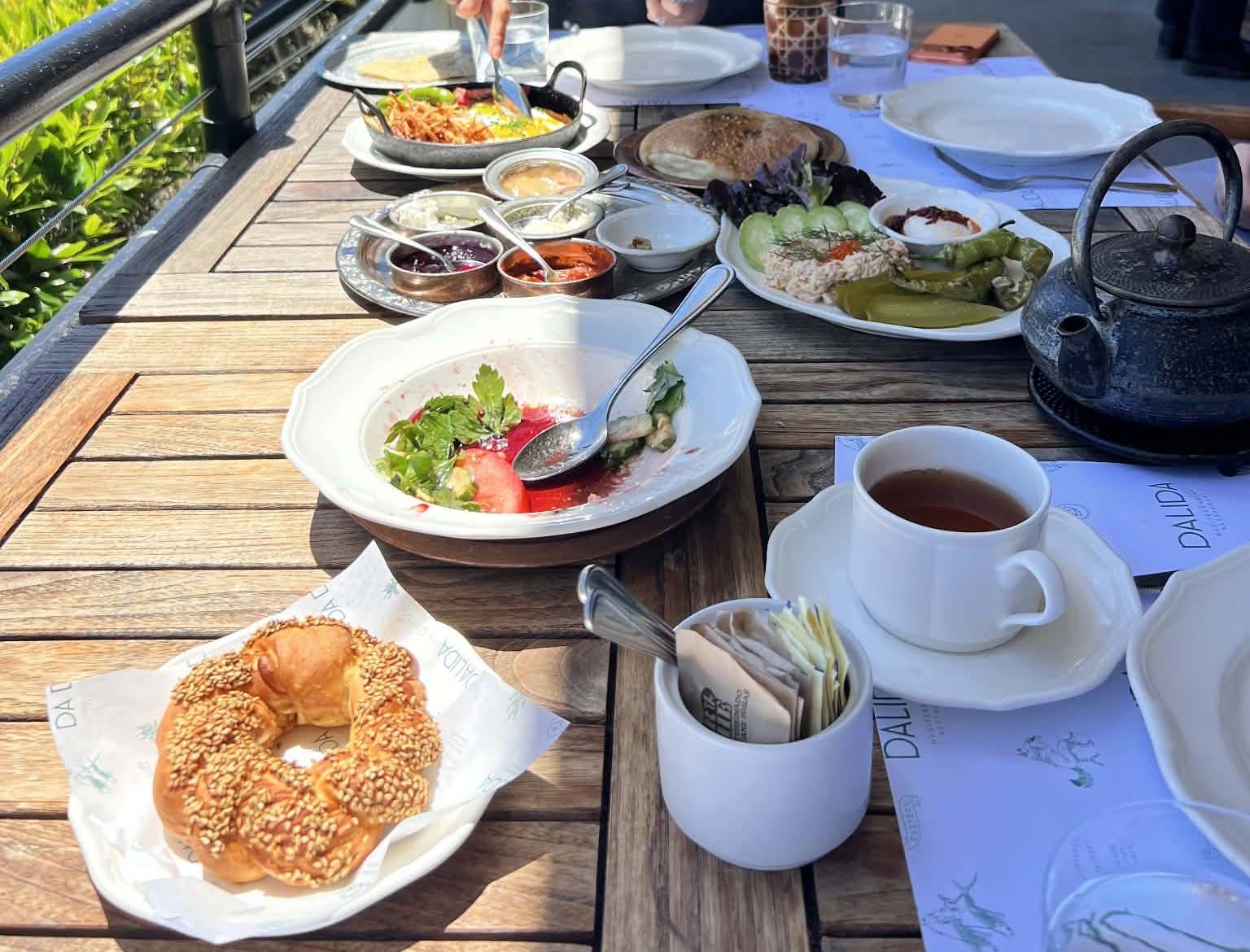
Dalida: The other great Middle Eastern izakaya I know in SF. This is Maria Isabel’s sister restaurant (the chefs at the two places are spouses), and it’s comparable in quality. Dalida is also one of those rare restaurants that’s good for brunch and dinner, so try both (and if you go for brunch, sit outside). Dalida doesn’t include as many ingredients from other cuisines as Aziza does, but everything is a little experimental and unusual anyway. There is also a tasting menu for dinner.
Bansang: I’m kind of mad at Bansang, because it replaced what was by far my favorite Japanese izakaya in San Francisco, Izakaya Kou. But I forgive the owners, because they replaced Kou with one of the only really excellent Korean restaurants in San Francisco. Like the other “pseudo-izakayas” on this list, Bansang focuses on smallish plates with original twists on old Korean favorites (chimichurri in the galbi, etc.), and they frequently rotate their menu.
Pearl 6101: You don’t see a lot of experimentation with Italian food, but Pearl is the best example of an “Italian izakaya” I’ve been to in SF. They don’t use as many Asian or Middle Eastern ingredients as some of the other restaurants on this list, but they’ll sneak a little Vietnamese fish sauce into their halibut crudo. Everything is very well-executed.
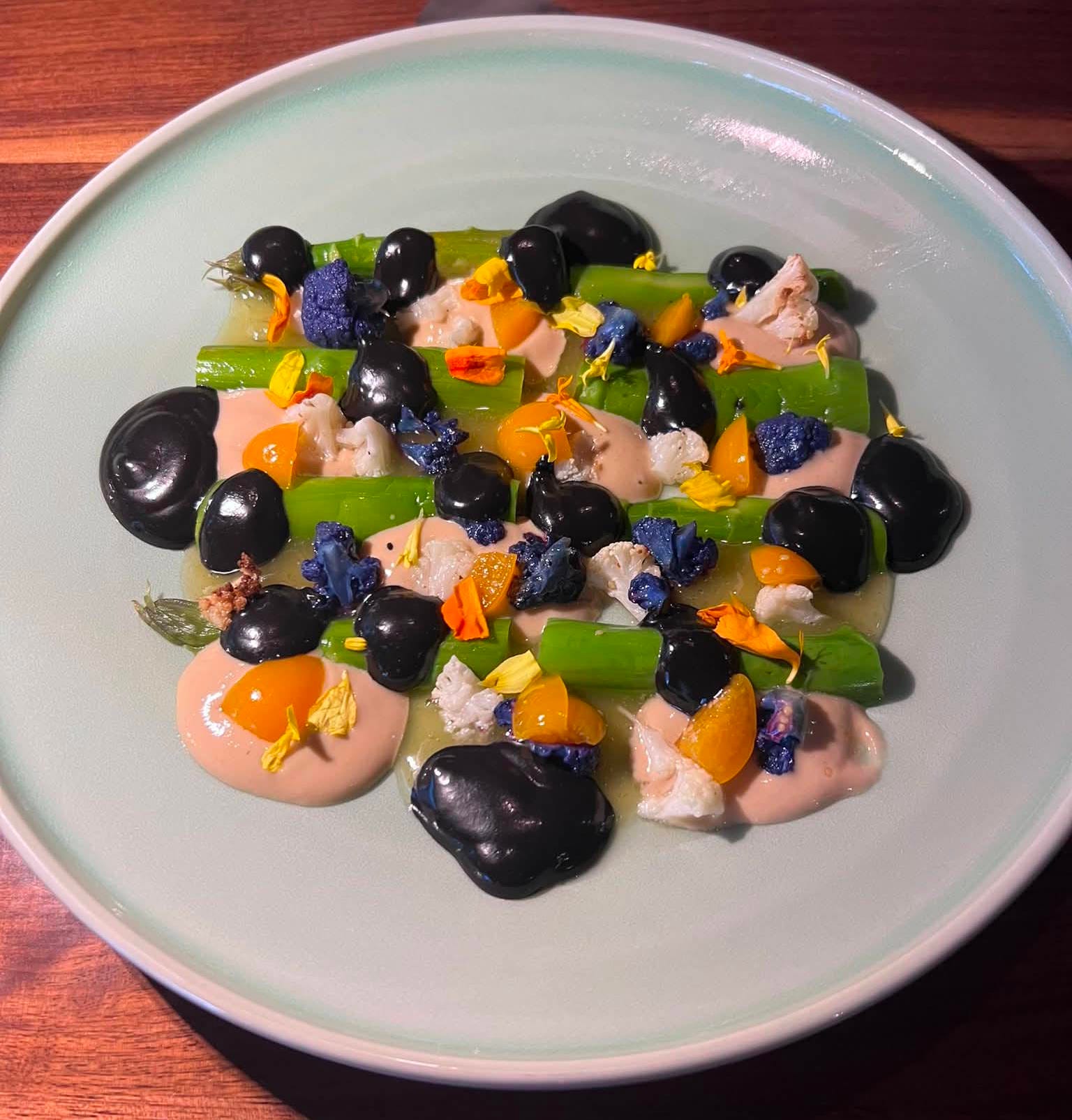
Horsefeather: A restaurant disguised as a bar. This is one of the best-kept secrets in San Francisco, since most people think it’s just a place to drink, but it actually has a very extensive food menu full of creative and excellent cuisine that’s basically a mashup of French, Latin American, Korean, Japanese, and Italian. I had some of the best asparagus of my life here, and an unbelievable tres leches cake — both of which have now been taken off the menu, because it rotates frequently. A great place for large parties on short notice. Horsefeather is also co-owned by Hanson Li, one of SF’s most creative and interesting restaurateurs.
Fermentation Lab: The single most underrated, unknown restaurant in this category. It’s another restaurant disguised as a bar, like Horsefeather. Fermentation Lab is basically a Korean izakaya, serving creative Korean twists like makegeolli-braised pork belly in addition to standard bar bites like duck fat fries. Everything is delicious and original. I cannot stress how bad the marketing of this restaurant has been, relative to its quality — people ought to be snapping up reservations weeks in advance, but instead there are open seats and you can just walk in. People don’t even seem to know it’s Korean!
Tiya: An Indian izakaya with some Japanese influences. If you want to get wagyu stir-fried with asparagus, madras curry, and quinoa, or octopus curry with smoked tomato pachadi and kumquat, this is the place to get it. It’s very experimental, so if your Indian friends are looking for a taste of home, consider taking them to Copra instead. But Tiya has stuff you won’t get anywhere else, and it’s easily my favorite restaurant in the Marina. It’s also open for brunch, and it has a tasting menu option for dinner, though I haven’t tried either of those.
Rich Table: “New American” is a term that sometimes describes overpriced faux-French places, and sometimes describes extremely creative izakaya-type places that blend traditional American fare with ingredients from Japan, Korea, and other countries in Asia. Rich Table is probably the best of these in the city, unless you count the Michelin-star places — and on “yums per dollar”, it beats most of those places hands down. In fact, Rich Table is probably the closest thing you can get in SF to a good modern/experimental Japanese izakaya — the two cuisines are basically converging. It also has a tasting menu.
Other great examples:
Routier (probably my favorite French restaurant in town, everything tastes interesting and a bit unusual, but almost always better than the standard version4)
Ernest (another “New American” place with lots of contributions from other cuisines, a bit like Rich Table; get the cheesecake)
The Morris (yet another great New American place, I recommend the crudite)
Four Kings (a Cantonese izakaya, everything very solid but could stand to be a little more experimental, I recommend the squab)
Happy Crane (another Cantonese izakaya, very new and experimental, still working out some kinks and can be hit or miss, but the hits are excellent)
Jilli (another Korean bar-style restaurant, the menu is much smaller than the others but everything is excellent and the flavors are extremely original; try the kimchi vodka rigatoni pasta with burrata)
Red Window (warning: order only the Spanish dishes, not the Italian ones!)
Phonobar (a vegan izakaya masquerading as a bar)
Type 2: Hipster fine dining
Most “fine dining” places in SF range from $200 to $600 per person, and come complete with Michelin stars and vigorous arguments over whether they’re “the best meal I’ve ever had” or “totally overrated”. But there are a few places you can go that offer a “fine dining” experience for a much more affordable price — usually around $90-$120 per person, but occasionally as low as $50.
There is some overlap with the “pseudo-izakaya” category here, because many of those places offer tasting menus. Rich Table, Maria Isabel, Aziza, Dalida, Ernest, and Happy Crane all count as “hipster fine dining” too. But here are a few others:
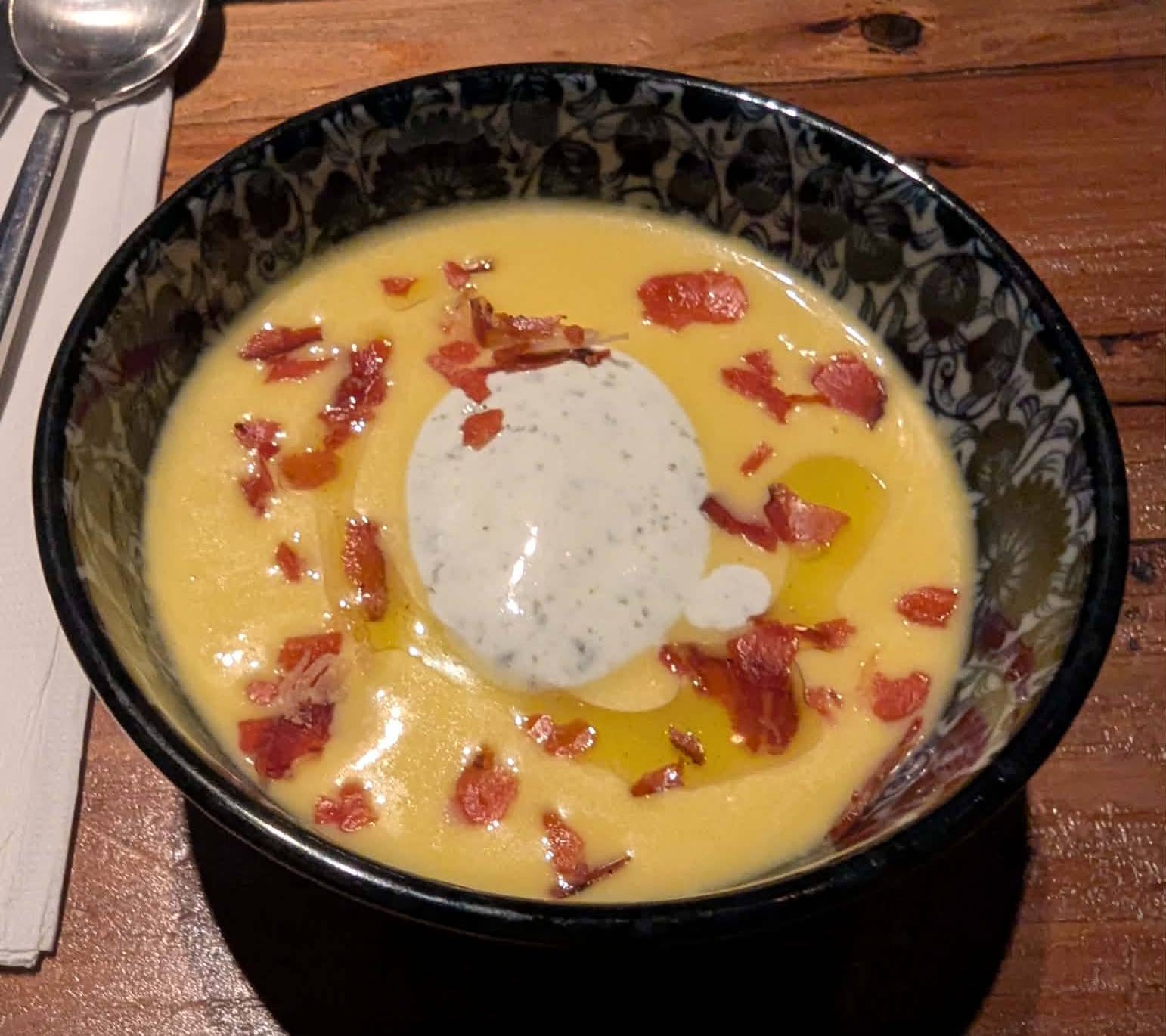
Mijoté: This might just be my favorite restaurant in the city. It’s officially a French restaurant — the “j” is pronounced like a “j”, not like an “h” — but it has very heavy Japanese influences. That’s probably because the chef, Kosuke Tada, is a Japanese guy who worked in France for a long time. Everything at Mijote is excellent; it’s only a prix fixe menu, and it changes frequently, but I’ve never once been disappointed with anything. Kosuke is a virtuoso; one time he catered deli sandwiches for a random party I went to in Oakland, and they were some of the best sandwiches I’ve ever had. And the price is very affordable as fine dining goes — just $84 per person.
7 Adams: This place does have one Michelin star (and richly deserves it), but it’s significantly cheaper than a lot of other Michelin places while being every bit as good. It’s “New American”, with somewhat fewer Asian ingredients than Rich Table.
Mr. Pollo: Still among the best-kept secrets in SF, even though it’s been around for many years. Two guys took over a space from a Colombian restaurant called Mr. Pollo, but kept the sign and the name. It’s not Colombian food (they used to do arepas every night, but stopped); it’s just whatever they feel like cooking this week. It’s always good, and it’s just $49 — maybe the best value for money in the entire city. Good luck getting a reservation, though.
Type 3: New hole in the wall
There are a number of cheap-ish restaurants that luckily manage to avoid the curse of SF’s astronomical rent. Most of these have just been sitting in the same spot since the 80s or 90s, and haven’t really updated their cuisines. However, there are some new ones that manage to open up, and some of these — through some mystical combination of skill, dedication, luck, or whatever — manage to be truly excellent. Here are a few examples:
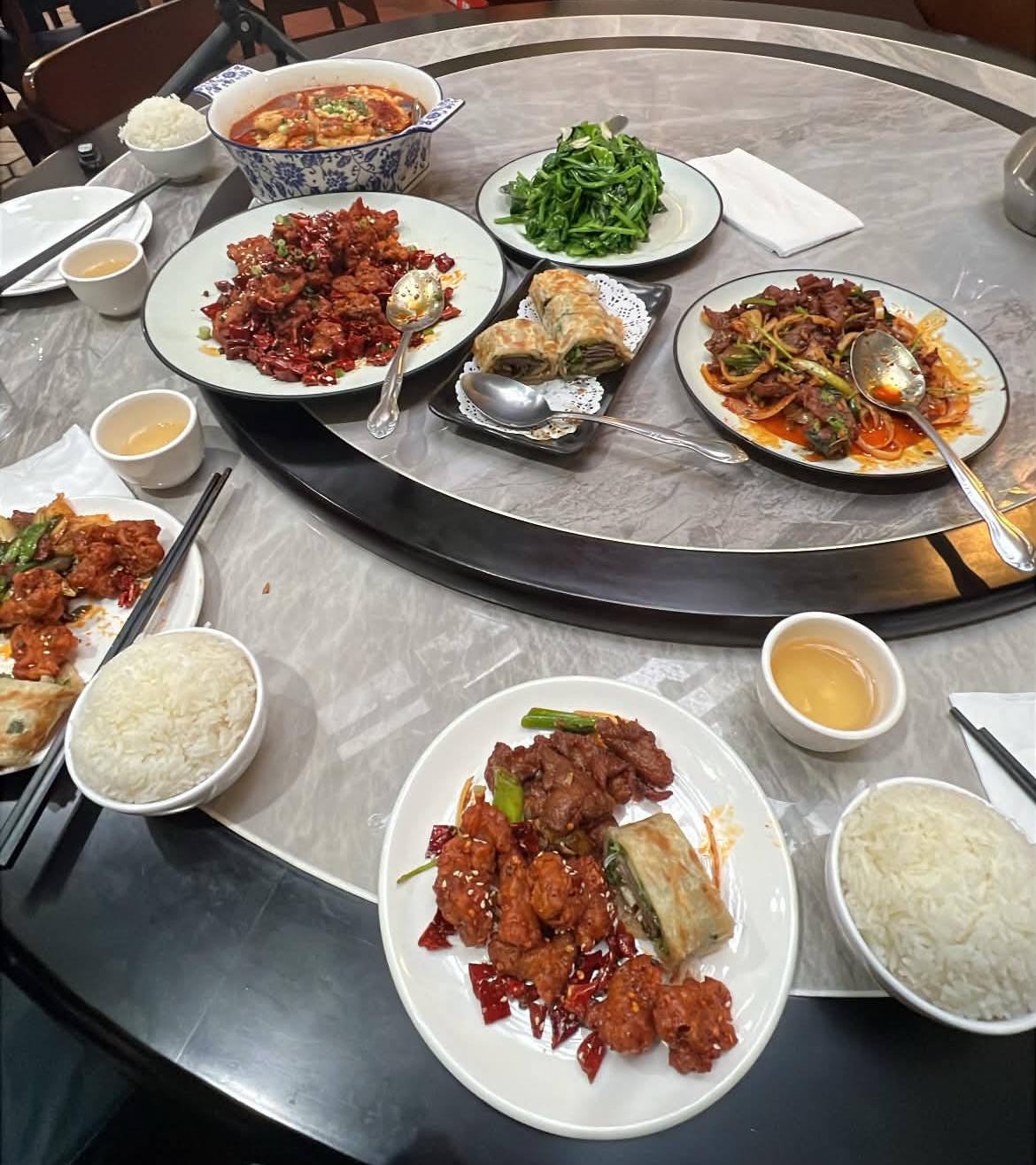
Sichuan Tasty Restaurant: One of the most underrated restaurants in the city. I love Sichuan food, and though I tell myself I’ve been to one or two places in Flushing that were better than Sichuan Tasty Restaurant, I can’t quite remember if they really were better. Everything is delicious, the portions are huge, and somehow there are always seats open and you can just walk in. Remember to order everything with extra 花椒.
Chef Xiong Kitchen: Another incredible hidden gem. This place mainly serves Sichuan food, and its quality rivals Sichuan Tasty (which is just a few blocks away). But it’s incredibly versatile — it also serves Mongolian BBQ, and a bunch of other random Chinese dishes, including a few I’d never seen before. Everything is excellent, you can’t go wrong. They also stay open until 2 AM, in case you want to go out late at night!
Mini Potstickers: If you want great takeout dumplings in SF, this, in my opinion, is one of the two best places to get them. The boiled dumplings are as good as the nearby (and much more famous) Yuanbao Jiaozi, but Mini Potstickers has much more range — awesome mini fried dumplings (hence the name), and excellent jianbing.
Fuwa Dumpling: SF’s other great takeout dumpling place, also with good variety. Probably the best takeout boiled dumplings I’ve had in the city.
Gusto Pinsa Romana: Some restaurants have started aggressively marketing traditional Roman-style pizza as “pinsa”, and defined it as a whole new category of food. Well, more power to them. Of “pinsa” restaurants in SF, Pinsa Rossa is the most famous, but Gusto Pinsa Romana is — at least in my opinion — far and away the best. It’s cheap, it’s delicious, and it’s good to eat in or DoorDash.
Timur: As of this writing, Timur Indian and Nepalese Cuisine has a perfect 5.0 rating on Google with 688 reviews. That’s just incredible. It’s well-deserved — this small, out-of-the-way, affordable little restaurant is the best Nepalese food in a city filled with great Nepalese places. I especially recommend the korma.
Sherpa House: This one just barely gets edged out by Timur for “best Nepalese in town”, but honestly it’s very very close. Also a perfect 5.0 on Google as of this writing, with 202 reviews.
CQ Noodles: If you want some great spicy Sichuan noodles, this is your place. Conveniently located in the Outer Richmond, very close to Sichuan Tasty and Chef Xiong, the other two best Sichuan places in town.
Bo&Beurre: How would you like a huge, incredibly delicious banh mi sandwich in the middle of downtown San Francisco for only $6? Bo&Beurre is a little out-of-the-way Vietnamese place that will give you that sandwich. Somehow it’s much less well known than Saigon Sandwich, which is less than a block away and has lines down the street, but which is definitely not as good.
L&G: The other amazing super-cheap banh mi place in SF’s Little Saigon neighborhood is L&G — and it’s right next to Bo&Beurre. Actually, the two places are somewhat different — Bo’s sandwiches are drier and perfectly arranged, while L&G’s are a greasy street-food sauce-bomb. Both are amazing, both have no lines, and I’d recommend both over Saigon Sandwich.
Oodle Yunnan Rice Noodle: I am always looking for Chinese restaurants that are neither Cantonese, Sichuan, nor dumplings. This one fit the bill nicely. The food is delicious, the prices are affordable, the decor and ambiance are very cheerful and modern, the staff is super friendly, and you can just walk in.
El Gallo Giro Food Truck: I’m sort of stretching the boundaries of this category to include a food truck that has been parked in the Mission for over two decades, but it would be criminal not to. This little truck has some of the best tacos and burritos in the city. I don’t know how they do it so well. You need to pay with cash or Venmo, so be prepared.
Anyway, there’s a sampling of my three favorite types of restaurants in San Francisco. But there are a bunch more good ones, so let’s go through some of the standard categories.
Cuisine-specific recommendations
Japanese
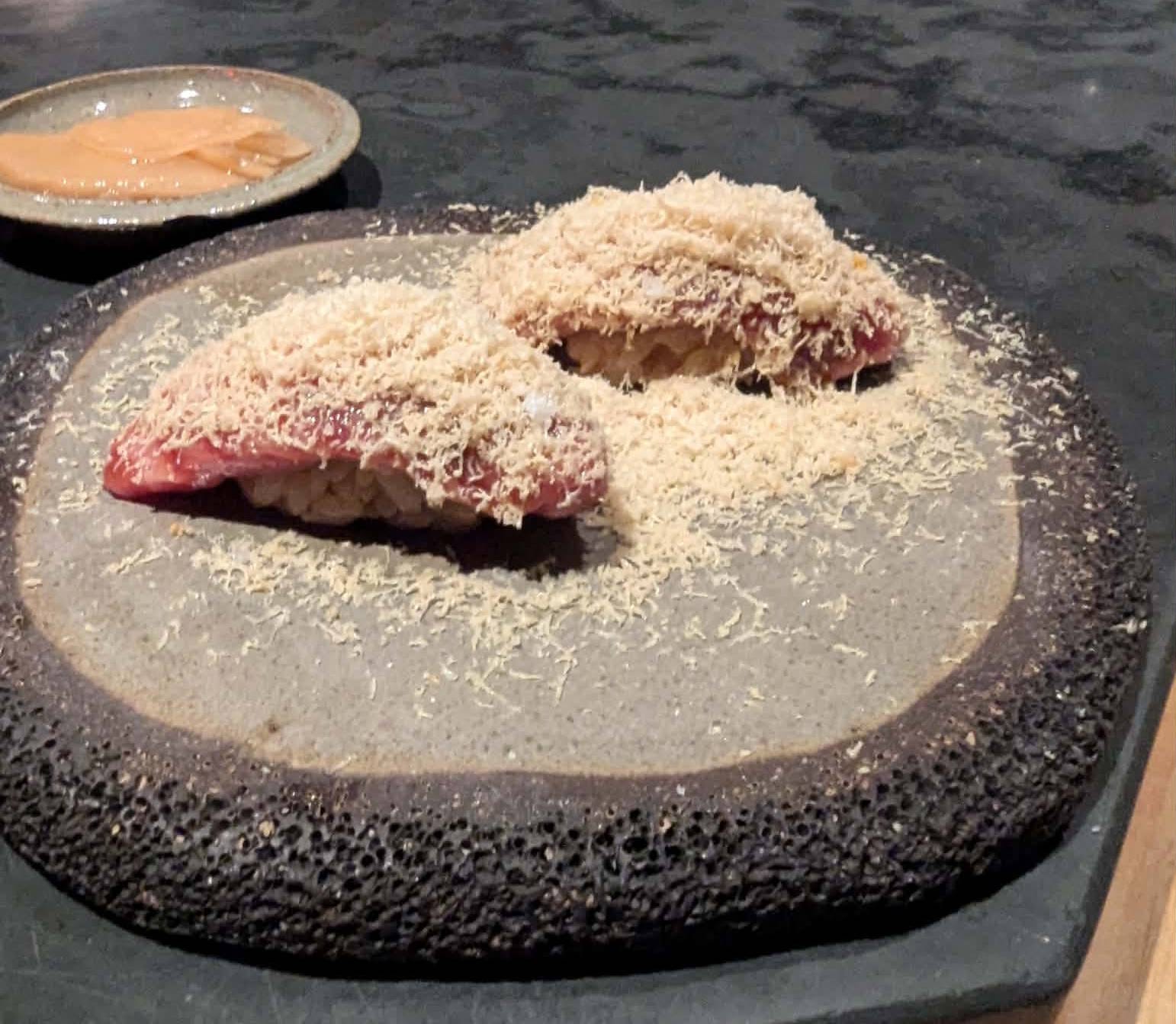
I spent a lot of time raving about how great izakayas were, but ever since Izakaya Kou closed, there aren’t really any great ones in San Francisco. Kibatsu in Lower Haight and Fenikkusu in the Mission are the closest — both are very solid, but they ought to get more creative and update their menus more. Kibatsu has to be my favorite here, because they also have some great nigiri, including an umimasu that’s the best I’ve ever had.5 Noren also has good quality yakitori.
However, there are a number of very good Japanese restaurants of other, more standard types. Two ramen places — Taishoken and Mensho SF — really dominate the scene here; both have skilled Japanese chefs, and are similar in quality to what you’d get at very good ramen restaurants in Tokyo. I’d give the edge to Taishoken, since it takes reservations and doesn’t require you to wait an hour on the street in the middle of SF’s worst neighborhood like Mensho does.
There’s a kaitenzushi place called Izumi in Japantown mall that’s actually as good as any I’ve had in Japan (though much more expensive). Nabe is a Japanese hot pot place in the Sunset that also matches Japanese quality. There are also some “big roll” sushi places of the type you can’t get in Japan — my favorite ones like Arashi Sushi closed in the pandemic, but Rocket Sushi and DJ Sushi’s big rolls are criminally underrated and there are a bunch of new ones I haven’t tried yet. Potto and Shabu Club are also solid hot pot places with good-quality meat.
Omakase is difficult, because America has trouble getting fresh fish — both because of stricter health laws, and because of geographic distance from Japanese supply chains — and most of the famous places are just way overpriced. But there are a couple very solid ones, including Doma Sushi in Bernal, and Robin in Hayes Valley. Robin is a controversial pick here, because it’s non-traditional and experimental, but their experiments hit a lot more often than they miss, and if you’re in a country that has trouble getting fresh fish, experimentation is more important. An is also good, though for some reason it takes 3 hours to eat.
Vietnamese
San Francisco has a lot of great cheap Vietnamese food, especially in the “Little Saigon” area near the Tenderloin. I’ve already mentioned Bo&Beurre and L&G, but also check out Pho Tan Hoa and Larkin Restaurant for pho. Pho 2000 isn’t my favorite for Pho, ironically, but has very good appetizers and other dishes. But the best Vietnamese restaurant in the whole area is probably the amazing Hai Ky Mi Gia, a little Chinese-Vietnamese hole-in-the-wall that serves some of the best seafood egg noodles I’ve ever had. There are also plenty of good cheap and cheap-ish places scattered throughout the city, like Banh Mi Crunch in the Sunset, An Chi in the Richmond, and others. Banh Mi King is a good option if you’re downtown, though it’s a bit pricier.
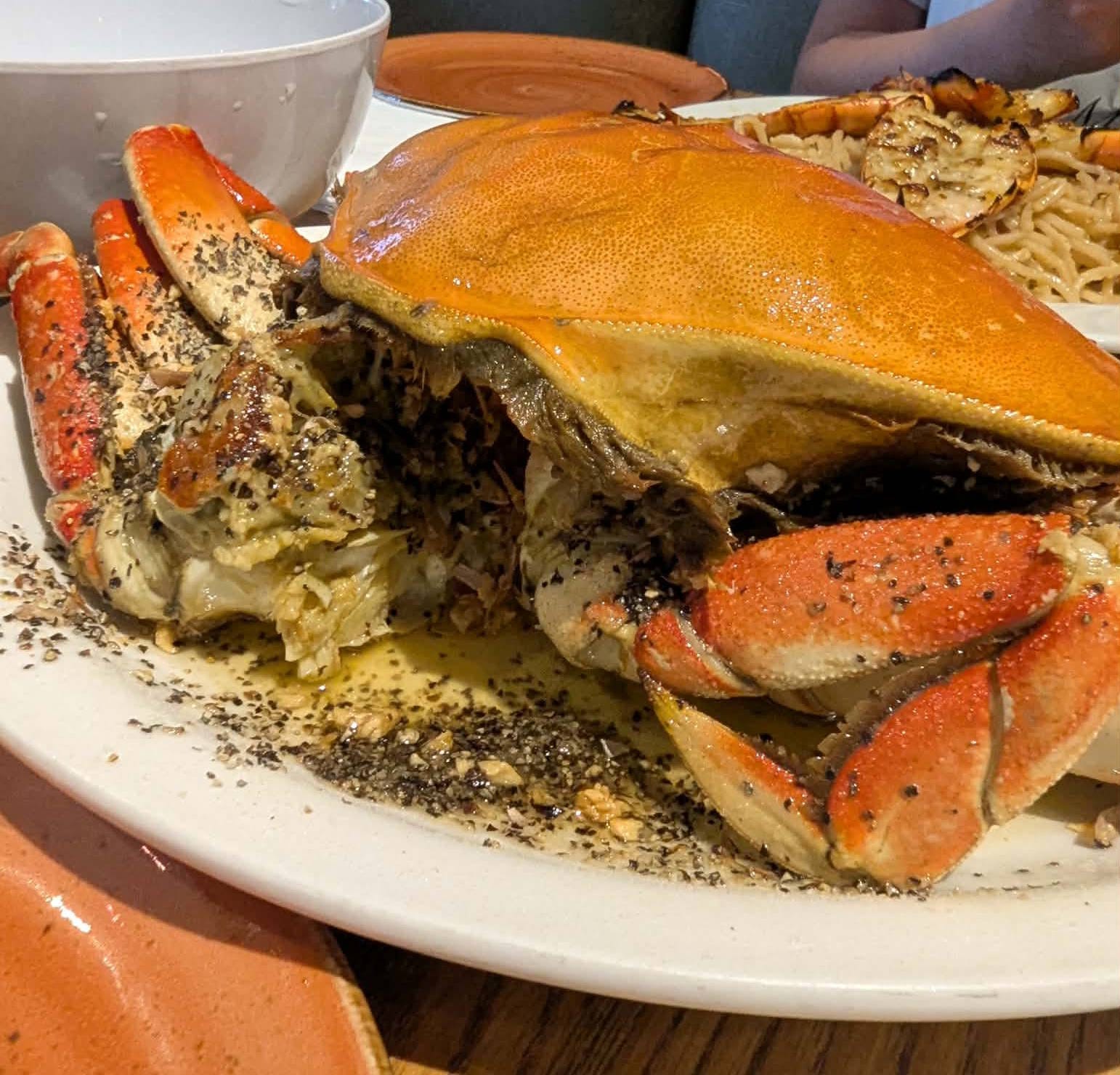
As for upscale Vietnamese, that’s harder to find, partly because “upscale Vietnamese” is just a thing that not a lot of people try yet. My favorite is definitely Gao Viet in the Sunset, which serves absolutely huge portions of absolutely delicious food, including both traditional favorites like banh xeo and some truly wacky giant combos of stuff. Thanh Long makes a good crab, though it’s a little bit overpriced. Bodega SF is pretty good, though a bit uneven. There is also a place called Hem by LeQuy in the Mission that does traditional stuff, but slightly more expensive and higher-quality than most; it probably has the single best bowl of pho I’ve eaten in SF. Note that I still have a lot of Vietnamese places left to try in this city.
Nepalese
I’m not sure why, but there has been an explosion of good Nepalese places in San Francisco in recent years — most of them pretty affordable. Tyler Cowen has a rule that you should try the less-well-known ethnic cuisines, and that definitely applies to Nepalese in SF; the Nepalese places here tend to be much better than the similar Indian places. The three best I’ve found are the aforementioned Timur and Sherpa House, plus a third place called Base Camp that does excellent lunch and focuses more on noodle dishes than curries. But there are a lot of other very good ones, including Himalayan Cuisine, Dancing Yak, Nepa Indian Cuisine, and others.
Thai
For some reason, San Francisco has a lot of very good Thai restaurants. Unlike Vietnamese places, which tend to be cheap, Thai places tend to be mid-priced or even a little upscale. So they make good spots for date nights or big group outings.
The yummiest Thai place I’ve been to is the aforementioned Prik Hom, but in terms of yums per dollar, it — and every other Thai place — is absolutely mogged6 by Khao Tiew in West Portal. You can absolutely gorge yourself sick on amazing food at Khao Tiew for $30. But the downside is that the place doesn’t take reservations, so you have to wait two or three hours in line just to get in.7
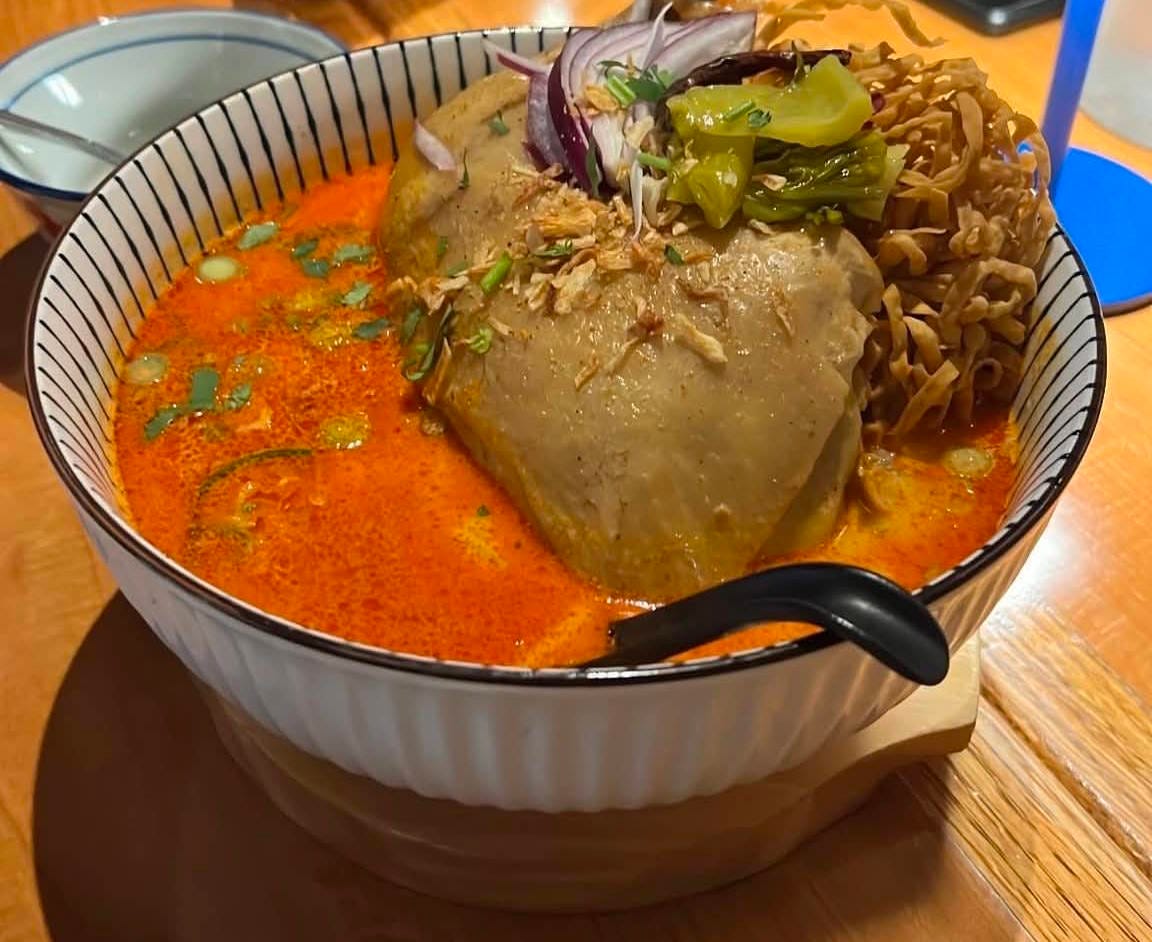
Nor are those the only great places in town. Ka Kai in the Castro has an amazing sampler platter, and the best khao soi I’ve ever eaten. Nari has an absolutely incredible trout curry — probably the best Thai curry I’ve ever had — and is more affordable than Google says it is.8 There are a number of other solid ones as well.
Mexican
People from Los Angeles love to talk trash about how their Mexican food is so much better than San Francisco’s Mexican food. It isn’t. The taquerias in the Mission are as good as what you’ll get in LA, and the “Mission burrito” is a genuine local specialty.
What is the best Mission burrito in SF? This is a long-running debate, but my favorites are Taqueria Buen Sabor, El Metate, the venerable El Farolito, and the aforementioned El Gallo Giro Food Truck.9
As for tacos, for my top picks I of course recommend El Gallo Giro, and a nearby place called Taqueria Vallarta. Taqueria Los Altos is very good as well. There’s also a place called El Rey Taquiza Artesanal that’s excellent, though more expensive.
SF also has some good upscale Mexican places, especially the brilliant Maria Isabel and the delicious brunch spot el Mil Amores. There are a lot I haven’t been to yet, so I’ll report on those in Part 2. (SF also has the country’s only 3-Michelin-star Mexican place, Californios, though I haven’t been.)
New American
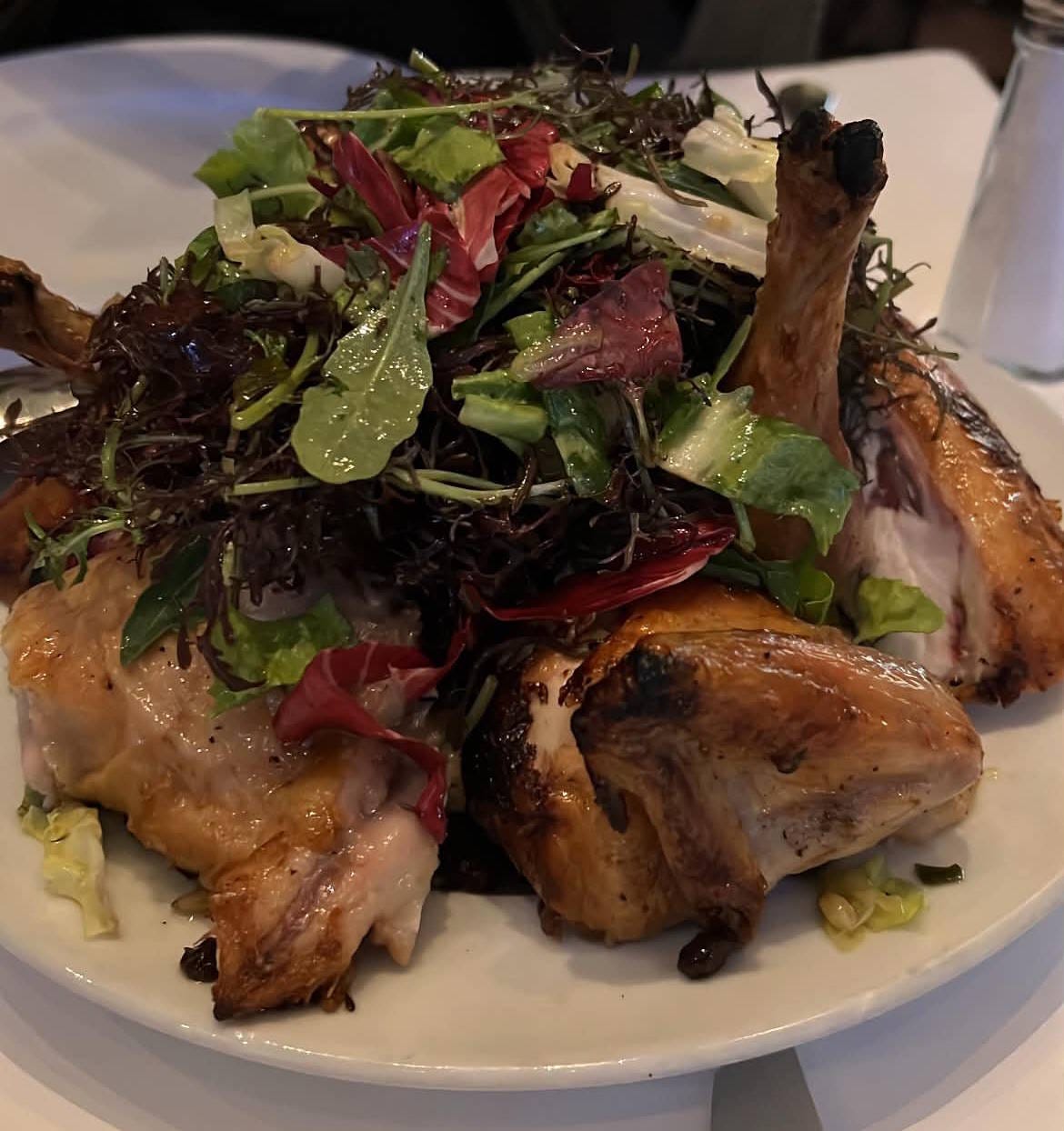
I’ve already covered most of my favorite New American places — Horsefeather, Rich Table, 7 Adams, Ernest, and The Morris. Another place I like a lot is Verjus, and side a can be a little uneven but has one of the best salads I’ve ever eaten (the Garbage Salad). Golden Eye Social, Arquet, and Plow are solid too, though Plow makes you stand in line. The chicken and fries at Zuni Cafe are as good as everyone says, so that’s worth a visit.
Italian
Like NYC and many other American cities, San Francisco has a lot of “red sauce” Italian places — traditional Sicilian-type places where you can get lasagna and spaghetti and infinite free bread. Those have never really been my thing, but I do have to say that Sotto Mare’s famous cioppino is really very good.10
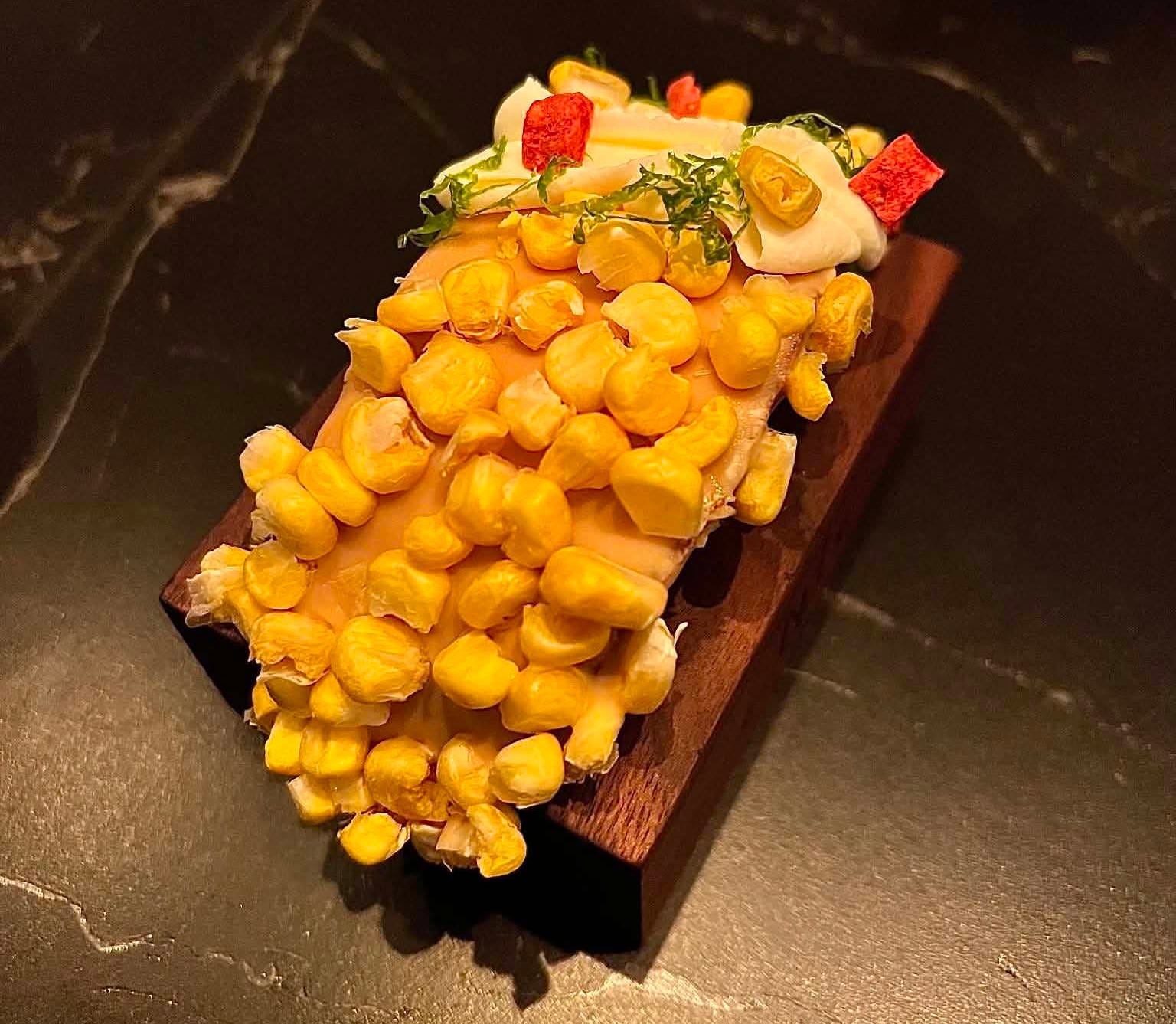
But there are also some good mid-priced Italian places in town. Everyone says Cotogna is the best of these, and they’re correct; they had a corn pasta recently that’s the best pasta I’ve ever eaten. Seven Hills gets a lot of grief for being old-fashioned, but the quality is as good as what I’ve had in NYC, for a significantly more affordable price. Flour + Water is also quite solid, though I’d get the pasta instead of the pizza. Pearl 6101 is the most creative.
I’m not sure if pizza counts as Italian food at this point, but SF does have great pizza. Little Star is my favorite, with Chicago-quality deep dish and excellent Detroit-style pizza as well. Outta Sight is probably the best place to order for parties. Gusto Pinsa Romana is delicious, unusual, and surprisingly healthy. I also like Sforno and Back to Back a lot.
SF can’t hold its own against NYC (or Japan) in terms of Italian food, but it’s not hard to find good stuff here.
Chinese
Chinese food is undoubtedly San Francisco’s biggest culinary failing. Given the huge ethnic community — almost a quarter of the city’s population is of Chinese descent! — it should have a ton of great Chinese restaurants. Instead, it has endless mediocre Cantonese banquet places that look like they haven’t changed a thing (including their signage and decor) since 1982. When regular people (as opposed to snobby NYC chefs) say “food in SF sucks”, they often mean that the Chinese food sucks.
It does not all suck. There are some solid high-end places — Four Kings and Happy Crane are good “pseudo-izakaya” style places. Mister Jiu’s and Empress by Boon are solid Cantonese banquet places that aren’t stuck in 1982. There are also a few great hole-in-the-wall places, like Chef Xiong Kitchen, Sichuan Tasty Restaurant, Oodle Yunnan Rice Noodle, Mini Potstickers, Fuwa Dumpling, CQ Noodles, and Hai Ky Mi Gia.
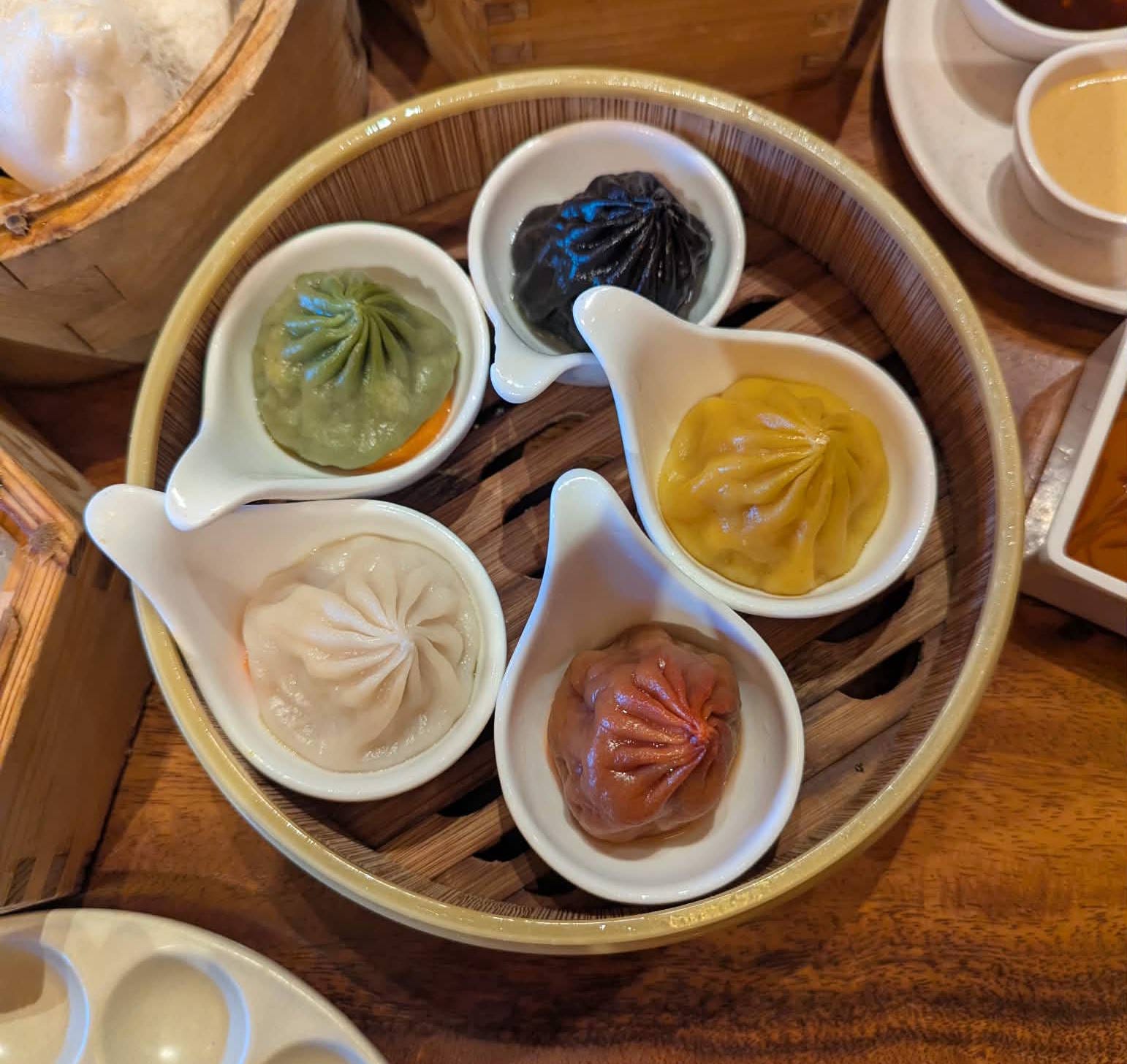
But these are few and far between. And in terms of mid-price restaurants — the kind you’d be blown away by in Milpitas, Cupertino, or Daly City — there really just aren’t that many. Dumpling House in the Castro is a sleeper hit in my opinion, with the best green beans I’ve ever had, plus all-around great dumplings. Bao Bao in the Richmond is another underappreciated gem. Tasty Pot is a great individualized Taiwanese hot pot place, though some people (mistakenly) look down on it. There are a few solid hotpot places like IPOT, and a few solid dim sum places like Dragon Beaux and Palette Tea House. Z&Y is OK, I suppose. But honestly, it’s slim pickings, and if you want good Chinese food I’d usually just recommend taking a trip across the Bay Bridge or down to the south suburbs, which IMO rival Greater Los Angeles and surpass NYC in quality.
Others
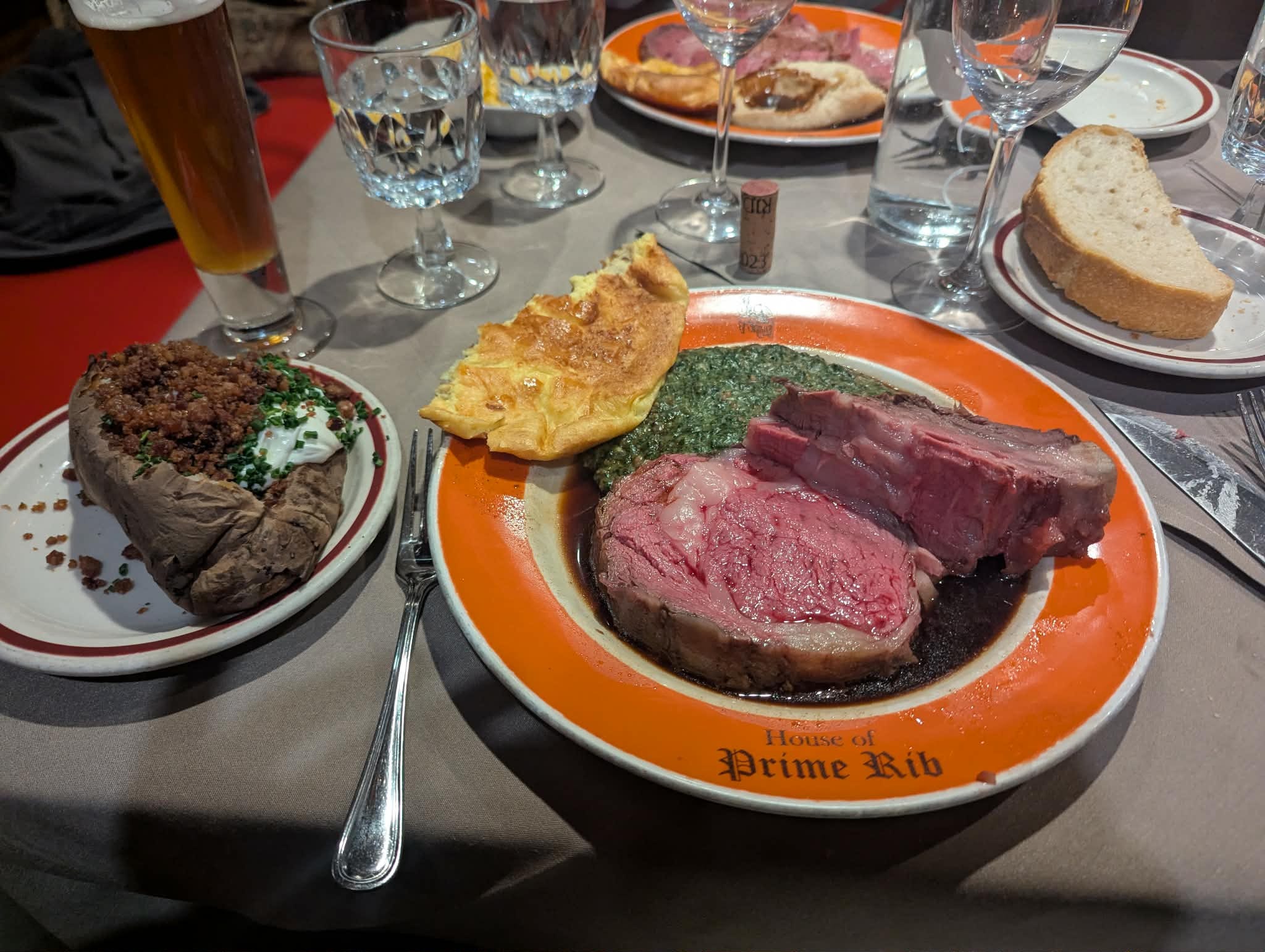
There’s lots of other good stuff in San Francisco. SF has some great lunch sandwich places — the best is Tarragon Cafe, which is one of the city’s best-kept secrets, and where everything is delicious (I recommend ordering the salmon toast with avocado). Tartine Manufactory is great too. For Greek food, go to Kokkari for the higher end and The Parthenon for the lower end. For German, go to Suppenküche in Hayes. For brunch, Plain Jane and its sister restaurant Mymy are hard to beat, though there are lots of great places like Les Marais and Lapisara Eatery. Beit Rima is another solid Middle Eastern place. For pubs, I like Hazie’s and Stoa. Bar Jabroni is a wine bar that serves excellent food as well. Hook Fish has excellent fish sandwiches and such. Burma Love and its sister restaurant Teakwood are both yummy (get the duck curry at Teakwood).11 Brenda’s does have good cajun and soul food. For vegan food, I really love both Phonobar (which is basically a vegan izakaya), and Shizen, the vegan sushi spot. House of Prime Rib deserves its status as a local favorite, though it’s a LOT of food. JouJou is a solid (if a little uneven) new French spot. Piglet & Co. is a Taiwanese izakaya-style place that serves a lot of interesting pork dishes. Niku is an excellent steakhouse with great side dishes and a butcher shop next door that does great wagyu burgers.
I think that just about does it for my specific recommendations. That’s probably enough restaurants to keep you eating well for a couple of years!
Overrated restaurants?
When I give my recommendations, one thing some people ask me is to identify some restaurants that I think are overrated — they want to be warned away from bad restaurants, not just pointed toward good ones!
That’s a reasonable thing to want, but in general I’m kind of against this. As I said, tastes differ a lot — if you like a restaurant I don’t like, then good for you and good for the restaurant too! I don’t expect my preferences to be universally shared, and I certainly don’t regard them as the voice of authority.
But that said, knowing what I don’t like might help you to understand whether and how your preferences match or diverge from my own. Just remember that I’m not criticizing anyone for liking things I don’t like.
First, there are some restaurants I just really did not like at all. These include Lily, a Vietnamese place in the Richmond; La Ciccia, an Italian place in Bernal; and Bir Kitchen, a Nepalese place in the Mission. For whatever reason, the food at these places just really did not appeal to me. If it appeals to you, more power to you.
Second, there are a bunch of restaurants that form a sort of “standard canon” of what people in the tech scene — i.e., my own social scene — tend to recommend, but which I think are no better than similar places that receive much less attention. One of these is La Taqueria, which serves fine burritos but which in my opinion doesn’t justify the massive line around the block — especially when you have El Metate and El Gallo Giro so close by. Saigon Sandwich is the same thing for banh mi — Bo&Beurre and L&G are literally across the street with no line. I don’t understand why people form a massive line for pizza at Jules or dumplings at Dumpling Home, when Gioia and Dumpling House are similarly good and just a few minutes’ walk away.
Most of all, I can’t understand why everyone always wants to go to Izakaya Rintaro. I’ve been there five or six times now, but you can get pretty much the same sort of mid-level 1990s-era izakaya food at Nande-ya in Japantown, or Izakaya Sozai in the Sunset, or a number of other places — and honestly better, if you go to The Public Izakaya or Chome.
I once heard someone say “the line is the product,” and I guess maybe that’s right. Perhaps there is some level of endogenous coordination, where the fact that everyone else is excited for a particular place makes it more exciting to go there, even when it’s not very different from other places.
Anyway.
Neighborhoods
That about sums it up for my recommendations, but as I said, I’ve been to only 10% of the restaurants in San Francisco. If you want to come to SF and wander around and find places that you didn’t hear about in this guide, or the Michelin Guide, or on the standard “where to eat” websites, where do you go? I thought it would be good to offer some general thoughts on the various neighborhoods in the city.
The Mission: The Mission is, far and away, the best eating neighborhood in San Francisco. This is partly a function of size, since it’s larger than other centrally located neighborhoods. But it’s also very central, and it’s a place that lots of people come to hang out and drink and shop and party. That means it’s a little less burdened by SF’s geographic immobility — a lot of people are always in the Mission, and so restaurants are forced to compete for their business. That’s why the Mission has lots of good top-end places like Mijote, Flour + Water, Ernest, The Morris, Shizen, and so on, along with great mid-price offerings like Little Star, Base Camp, and Taishoken.
But the Mission also has a thriving Mexican community and lots of buildings with preferential rent arrangements or legacy leases, which is why you get lots of good cheap Mexican places too. Basically, if you walk around in the Mission, you’re going to find a lot of good stuff.
Japantown: Japantown has a lot of OK legacy Japanese places — izakayas and noodle spots and yakitori places that are still basically the same as they were in the 90s. Those are fine, I suppose. But the high level of foot traffic opens up room for a lot of genuinely great spots to open. It’s the city’s center for Korean food, with Bansang, Fermentation Lab, and Daeho Kalbijim, as well as a good Korean-run katsu spot called Ganji.
North Beach: Again, I recommend not going here for the standard local thing (red-sauce Italian). There are a lot of other random good places here, drawn by the heavy foot traffic — Noren for yakitori, Tasty Pot for hotpot, Red Window for tapas, Verjus for New American, and so on.
The Central/Outer Richmond: Probably the best place in the city to find good hole-in-the-wall spots, especially Chinese ones. I need to try a lot more places (and will report back in Part II).
The Sunset: Another good place to go hunting for hole-in-the-wall and mid-price spots. It’s very diverse in terms of cuisine. Both the Inner and Central Sunset are good.
Hayes Valley: My own neighborhood! It has a reputation for being full of yuppies, which is honestly pretty deserved, but it turns out that yuppies want to eat at good restaurants too. The good places here tend to be mid-priced spots like Teakwood, Phonobar, Hazie’s, Dumpling Home, and so on, making it one of the few neighborhoods in SF where you can consistently eat well for $40 a person.
Russian Hill/Polk St.: I haven’t been to enough places here, but it’s probably the best neighborhood for Italian food in the city. It also has a few Nepalese spots toward the south end of the neighborhood.
The Tenderloin: If you’re willing to brave the drug-induced disorder of the Loin, you can eat some extremely good cheap Vietnamese food in Little Saigon.
The Inner Richmond: This is a surprisingly overrated neighborhood. There are tons of restaurants, many with great reputations, but very few ones I’d put at the top of my list. I’m not sure why; maybe it’s central enough to have high rents, but peripheral enough not to have the heavy foot traffic that lures good places to the Mission, Japantown, Hayes, and North Beach.
Chinatown: Chinatown is mostly dominated by incredibly mediocre antiquated places that are still hanging on to their ancient cheap leases. There are a few good (expensive) Chinese places here, and a few good little bakeries like Yummy Bakery on Jackson, but in general this is SF’s most disappointing eating neighborhood.
The Embarcadero/FiDi: This is the neighborhood I’ve eaten in least, and I plan to review it in greater detail in Part 2. There are some solid famous places along the waterfront — Angler, Hog Island, La Mar, and so on. Kokkari is great. But overall I haven’t eaten here much.
SoMa: San Francisco’s great food desert. It was once the center of SF’s bustling daytime office culture, meaning that most of the restaurants were either lunch takeaway spots or happy hour bars. Then Covid hit, and everyone left downtown, and the takeaway spots and happy hour bars closed down. Now workers are slowly coming back to the area, but it’ll take a while for the neighborhood restaurant scene to recover, and there are only a couple of good places left.
Others: West Portal/Stonestown/Parkside, Dogpatch, Potrero, the Design District, and the Wharf area all have a few good spots, but aren’t really places to walk around and discover good new places. The Castro is OK, and is slowly getting some good new spots like Ka Kai and Potto. Noe Valley is surprisingly sparse, given the number of aging yuppies and well-to-do young families who live there. I haven’t been to Bernal enough. The Marina is dominated by bars, being more of a place to drink than a place to eat.
Anyway, that’s about all I have to say so far about eating out in San Francisco. In about a year, I’ll circle back with Part 2! Happy munching!
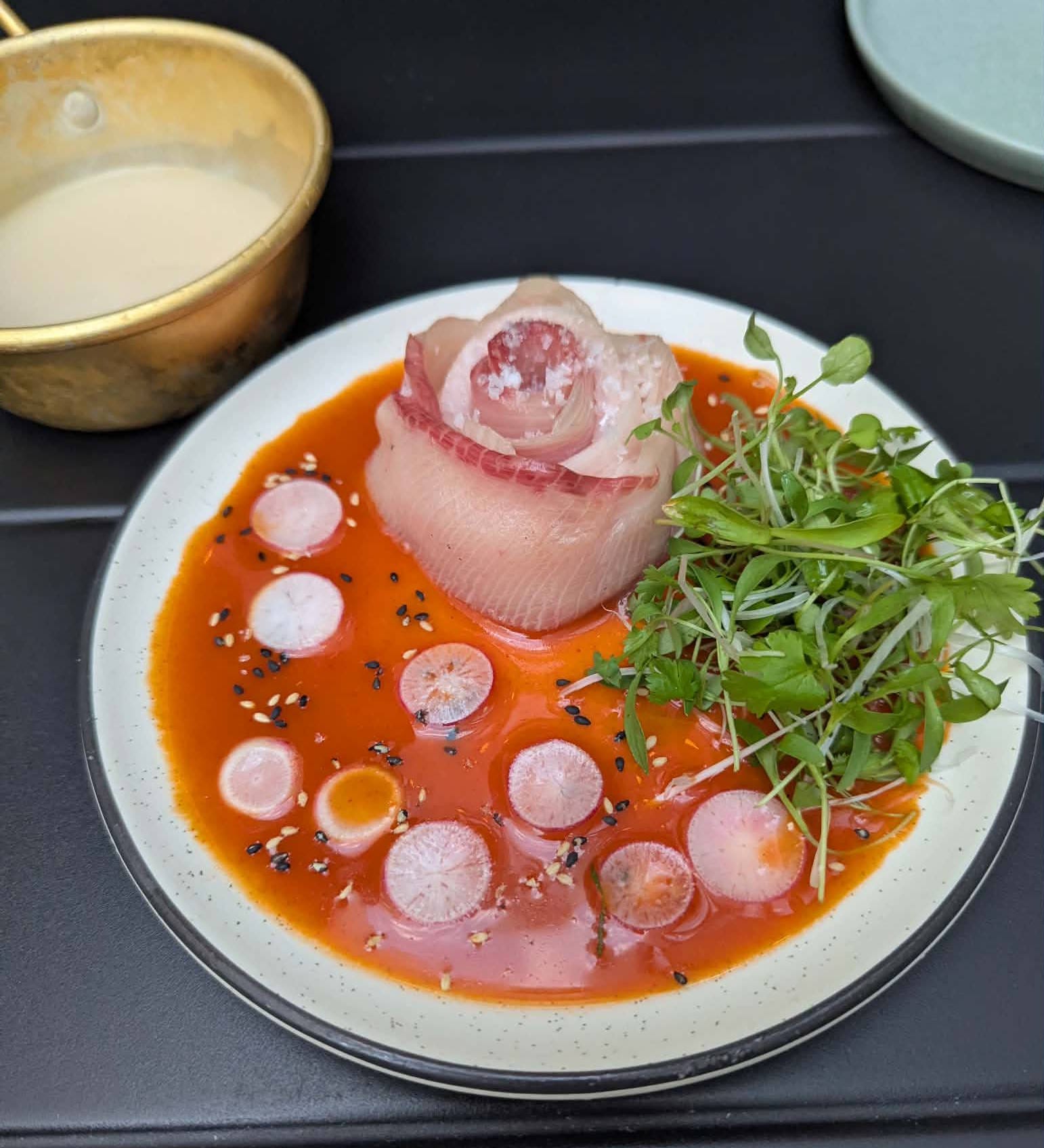
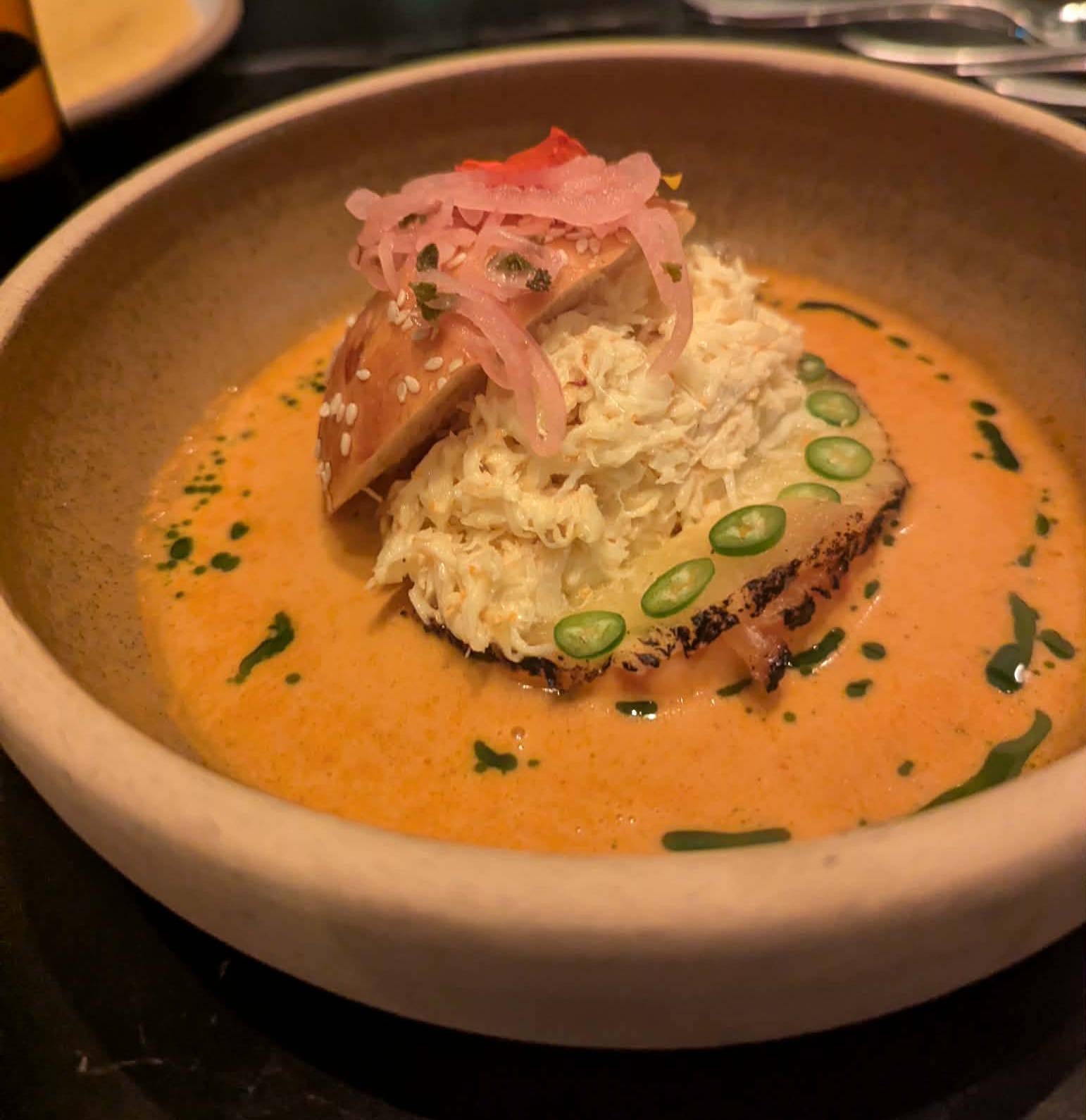
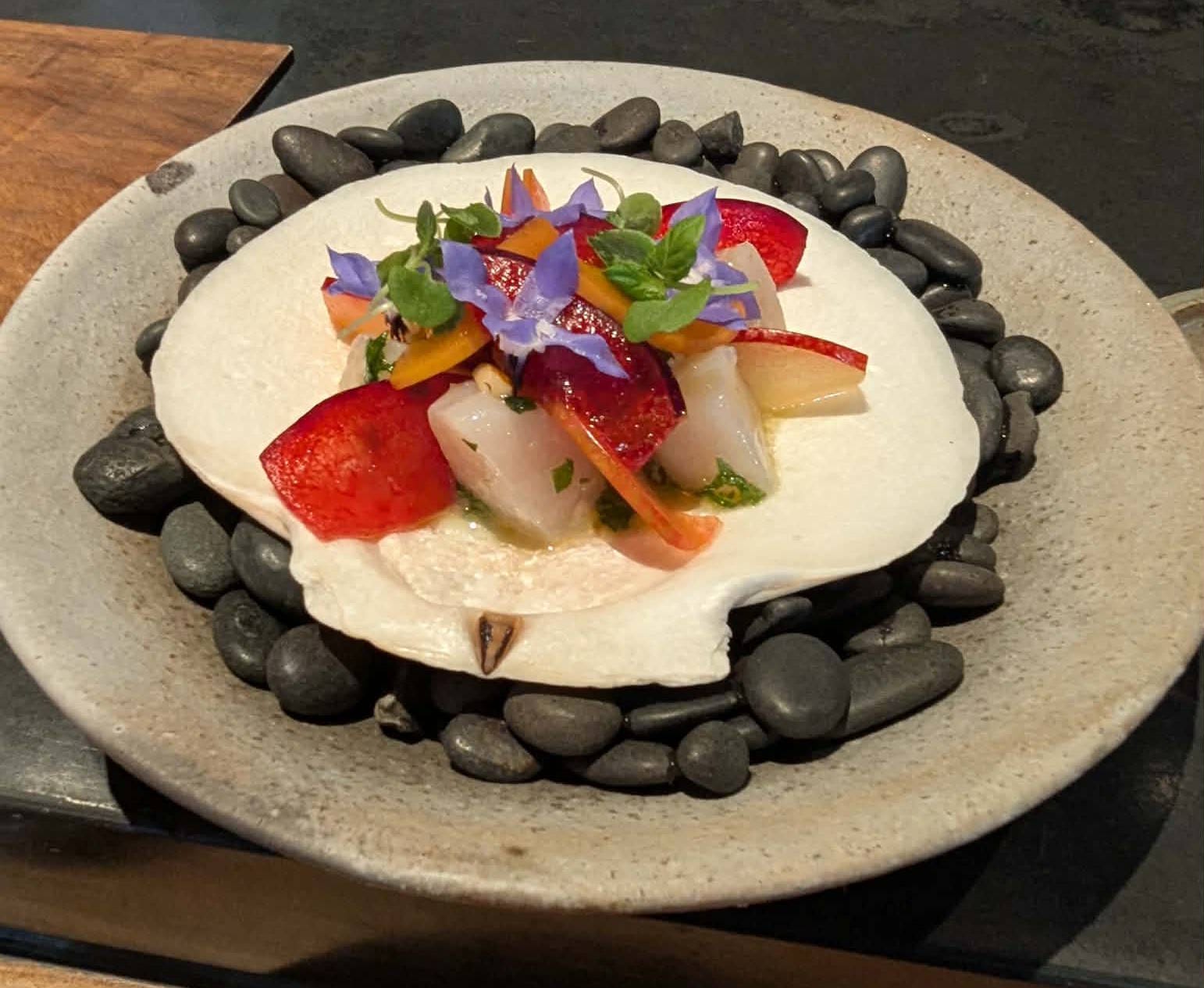
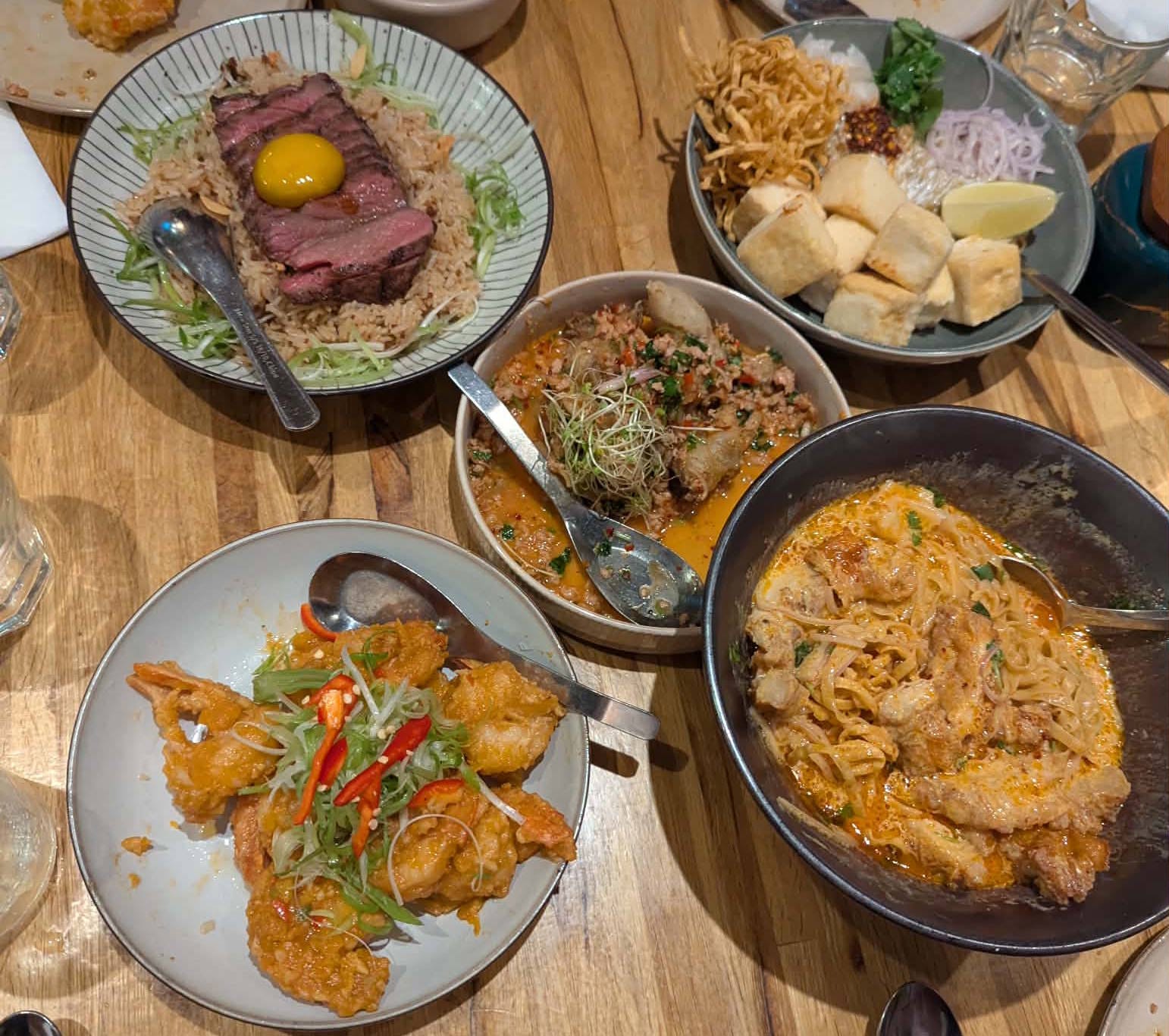
This is why despite the fact that they get to eat for free, I don’t envy food critics. They pretty much have an impossible job.
This phrase was coined by my friend Hadar Dor.
SF is cold in the summer, thanks to a natural air-conditioning system called the “marine layer”. Some people complain about this, but it means SF is usually pleasant when the rest of the country is experiencing brutal heat waves.
Routier’s one big flaw is that the butter they give you with your bread is a weird thing called “devil’s butter” that isn’t very good. Points for creativity, but they really need to add a normal butter — preferably the Brittany butter that JouJou serves.
Note: DO NOT order the omakase at Kibatsu. Order from the a la carte menu.
A Zoomer slang word meaning “surpassed”.
Why they make people do that instead of just raising their prices is beyond me, but anyway.
Warning: They use a LOT of fish sauce in their dishes, so it gets quite pungent.
If you want a giant sloppy late-night grease-bomb, go with El Farolito. If you’d like a giant sloppy grease-bomb for lunch, go with El Gallo Giro. If you’d like higher-quality ingredients with a little more refinement, go with Buen Sabor or El Metate, depending on which part of the Mission you’re in. Other places to get a good Mission-style burrito in the Mission include Taqueria Cancun, La Espiga de Oro, La Palma Mexicatessen, the venerable La Cumbre (which is better than people say), La Oaxaqueña, El Tepa, La Corneta (especially if you like lettuce in your burrito), and of course La Taqueria (if you don’t mind waiting in a very long line). I was not impressed with La Vaca Birria, El Castillito, Pancho Villa, or Papalote, but your mileage may vary.
You can also DoorDash it. It comes in a giant plastic bucket.
The veggie curry at Teakwood is strangely weak.
So I run a dinner club where we go to a different cuisine each week, because I found out that the long tail in San Francisco is simply just so much longer than a lot of people think!
There’s Eritrean food at New Eritrea, Chamorro(Guamanian) at Prebechu, amazing Afghan food and surprisingly the cheapest beer in the city at Helmand, Mongolian food at Naadam Mongolian, Chinese Peruvian at Cantoo, Uzbek at Sofiya, Nicaraguan at Nicaraguense, Laotian at Lao Table, Syrian food at Palmyra, Tunisian food at Gola, Hungarian at Paprika, and Algerian at Kayma, and even more! Literally whatever cuisine you want is probably somewhere in the city.
I really enjoyed this list. I’m glad you said what you said about the size factor, I’ve always found it so silly to compare SF 1:1 to NYC or LA. SF has a strong A-team imo, the best spots could hang anywhere, but there’s also a lot of overhyped places which (due to the size factor) makes it seem like they’re all overhyped.
Excited to read about Part 2. Here’s some of my recs for the next 90% of SF restaurants you have yet to explore:
Pizza - I’ve live down the street from Tony’s Pizza for almost 10 years so I’m extremely biased, but also I’ve had a front-row seat to their really impressive consistency. After trying almost everything, my go-to order is the Ricotta Stuffed Squash Blossom appetizer, the El Jefe Pizza (carnitas, plantains, habanero and orange mist), and the coal-fired New Yorker. The line isn’t even that bad, just do the mobile waitlist. Il Casaro is also very good. Golden Boy is super overrated and not worth the line.
Sandwiches: Little Vine has a fantastic sandwich that most people overlook for Molinari (which is fair given the eggplant parm). Lucca’s Deli in the Marina, Sandy’s in Haight, and Dolores Deluxe are my other go-tos.
Mexican - La Vaca Birria in the mission is my pick for the best burrito, over all the classics. El Buen Comer is my pick for the best Mexican sit down, with red mole worthy of Oaxaca City.
Chinese - Four Kings is my favorite of the ones you listed, although I actually don’t get the squab and go for the beef chow fun + other specials. The fried rabbit they had for a while was divine. Otherwise agree with what you’re saying about the mediocrity.
Korean - San Ho Won IMO is worth the hype for a semi-fancy dinner and Sohn has a great breakfast sandwich.
Vietnamese - next on your list should be Le Soleil in the inner richmond, I still think about the curried short rib on a daily basis.
Sushi - Kuma in nob hill is my pick for the best in the city (almost as good as Mujiri in Oakland).
Middle Eastern - I actually think the entire Bay Area is really lacking in this department. LA and NYC absolutely embarrass the Bay Area when it comes to this cuisine. I haven’t been impressed by any of the hot names.
Nepalese - Yarsa in North Beach does a killer cashew almond curry, which I got by accident once and is now one of my favorite Nepalese dishes in the city. Otherwise, I go back to my hometown of sunnyvale when I want Indian food, shout out Surmai.
Crafty Fox (beer bar in the mission) has the best French fries in the city.